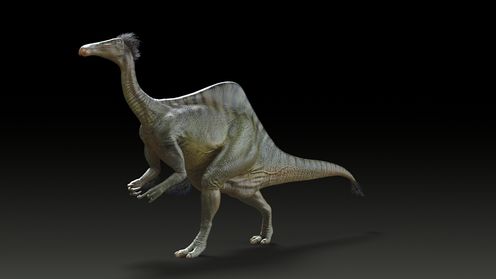











Deinocheirus mirificus. Credit: Yuong-Nam Lee

By Stephen Brusatte, University of Edinburgh

Everywhere scientists look it seems like they are finding dinosaurs. A new species is emerging at the astounding pace of one per week. And this continues with the announcement of perhaps the strangest dinosaur find over the past few years: the toothless, hump-backed, super-clawed omnivore Deinocheirus mirificus that lived about 70m years ago in what is now Mongolia.


How many continents can you count on one hand? Image: Chones

By Nick Rawlinson, University of Aberdeen


Credit: Khairil Zhafri, CC BY

By Anita Collins, University of Canberra

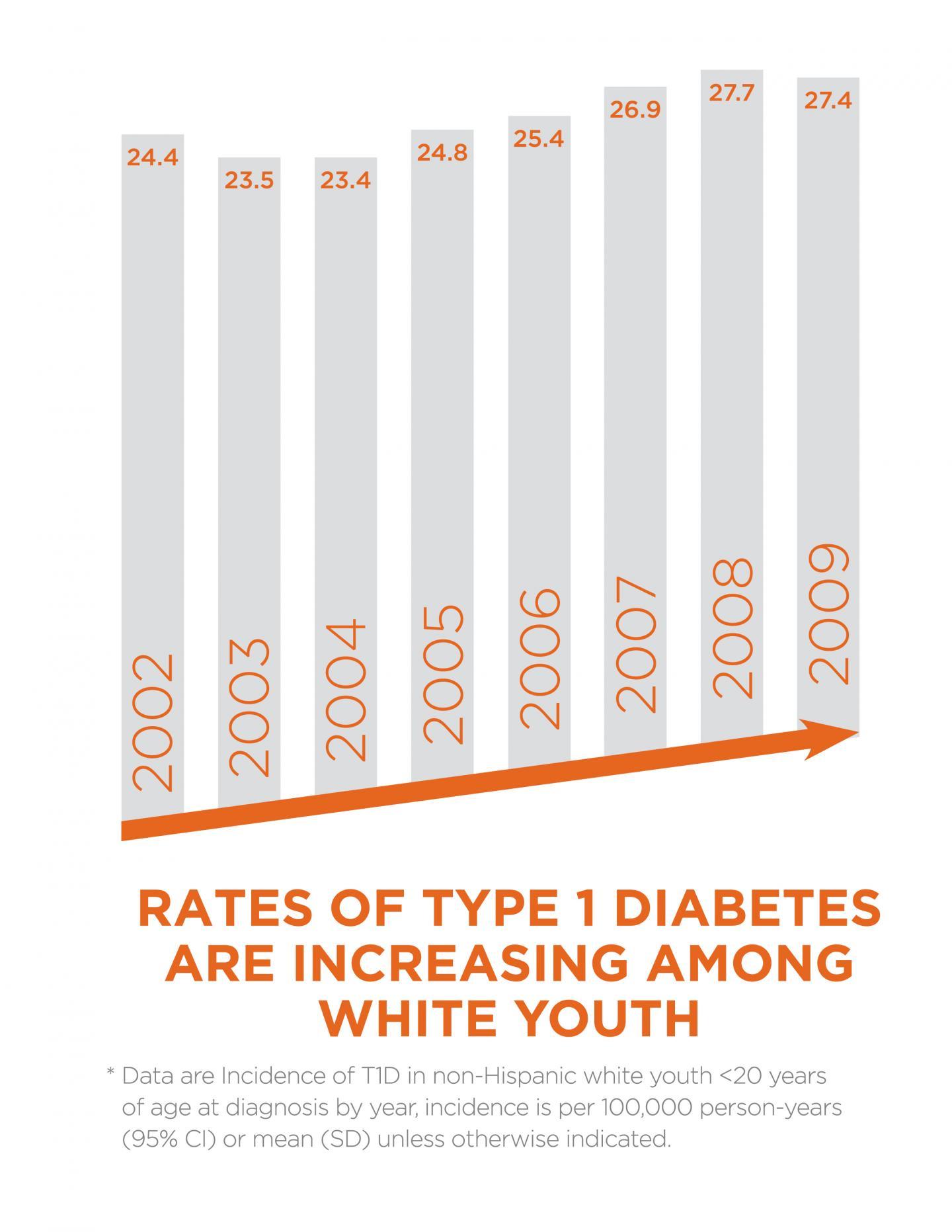
White children diagnosed with type 1 diabetes increased significantly from 2002 to 2009 in all but the youngest age group, according to a new paper in Diabetes.

A new study finds that though most U.S. adults fail to meet recommended daily levels of 10 key nutrients, those with disabilities do substantially worse.

At least 10 percent of U.S. adults fit into one or more category of disability, from those who have difficulties with activities of daily living, such as dressing, bathing and eating, to those who cannot use their legs or struggle to accomplish routine tasks, such as money management or household chores.

Up to 64% of people worldwide use medicinal plants to treat illnesses and relieve pain, and the herbal medicine market is worth $60 billion annually. Despite the increasing popularity of herbal medicine, the sale of medicinal plants is mostly unregulated, because they do not claim to be medicine in countries where regulation happens. 

It's obvious why people in developing nations embrace herbal alternatives to medicine - medicine is expensive. In wealthier countries, it is instead embraced by people who have plenty of money but don't trust science.


A new paper suggests that planets from the remnants of the universe's earliest stars could have supported life on dim, warm planets. Credit: NASA/WMAP Science Team

By: Ker Than, Inside Science

(Inside Science) -- Life in the universe could be much older than previously thought, forming as early as fifteen million years after the Big Bang, according to a provocative new idea proposed by a Harvard astrophysicist.

While studying the atmosphere on Saturn's moon Titan, scientists discovered intriguing zones of organic molecules unexpectedly shifted away from its north and south poles. These misaligned features seem to defy conventional thinking about Titan's windy atmosphere, which should quickly smear out such off-axis concentrations.

"This is an unexpected and potentially groundbreaking discovery," said Martin Cordiner, an astrochemist working at NASA's Goddard Space Flight Center in Greenbelt, Maryland, and the lead author of a study published online today in the Astrophysical Journal Letters. "These kinds of east-to-west variations have never been seen before in Titan's atmospheric gases. Explaining their origin presents us with a fascinating new problem."


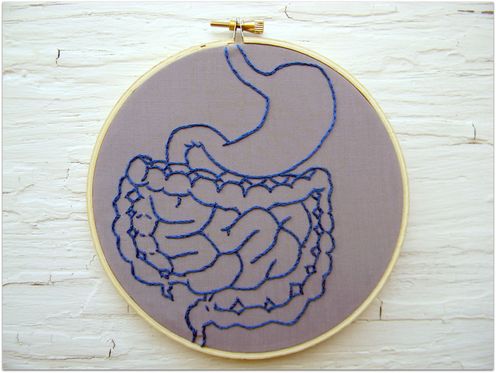
Your second brain? Credit: hey__paul, CC BY

By Clio Korn, University of Oxford

A new study found that people ages 60 and older who do not have dementia benefit from light alcohol consumption; it has been associated with higher episodic memory, the ability to recall memories of events. 

Moderate alcohol consumption was also linked with a larger volume in the hippocampus, a brain region critical for episodic memory. The relationship between light alcohol consumption and episodic memory goes away if hippocampal volume is factored in, providing new evidence that hippocampal functioning is the critical factor in these improvements.

