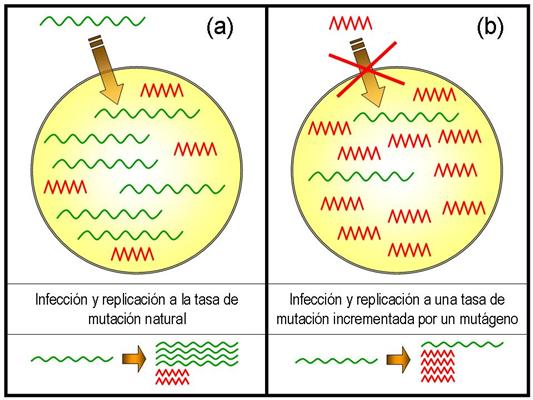






Two researchers from the Spanish Centre of Astrobiology (INTA-CSIC) have developed a mathematical model which demonstrates that a mild increase in the mutation rate of some viruses can reduce their infectivity, driving them to extinction. The study, published recently in Europhysics Letters, could have clinical uses in the medium term.

"The model we present shows how simple evolutionary mechanisms can cause the extinction of populations of fast mutating pathogens, such as certain viruses", co-author of the study and Centre of Astrobiology researcher Susanna C. Manrubia explained to Servicio de Información y Noticias Científicas (SINC).
A study led by researchers from the Madrid Carlos III Institute of Health associates the increase of cholera cases in Zambia with climate factors.  They say their results confirm that the increase in environmental temperature six weeks before the rain season increases the number of people affected by this sickness by 4.9%.
DNA sequencing is the next frontier in biological research.As new sequencing technology becomes more efficient and affordable, it is increasingly available to small laboratories. Thus, sequencing data is being generated at a faster rate than ever before.

However, the computing capacity needed to analyze such vast amounts of data still has some catching up to do. Large networks of interconnected computers, called computer clusters, are required to analyze these data. Expensive to establish and maintain, these computer clusters are generally available only to labs that can afford them.
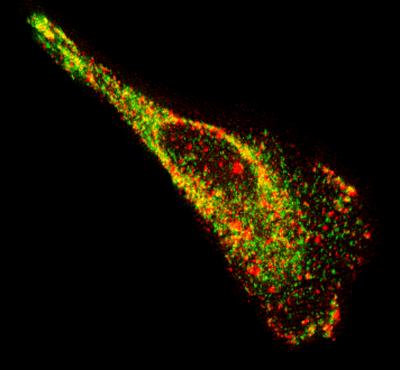
Biomedical engineers have developed a new type of probe that allows them to visualize single ribonucleic acid (RNA) molecules within live cells more easily than existing methods. The tool will help scientists learn more about how RNA operates within living cells.

Techniques scientists currently use to image these transporters of genetic information within cells have several drawbacks, including the need for synthetic RNA or a large number of fluorescent molecules. The fluorescent probes developed at the Georgia Institute of Technology circumvent these issues.

Since you are all inquisitive scientists, it is not a big surprise that sex is  a popular topic of study in the real world.  I attended a talk by Mary Roach, author of  “Bonk: The Curious Coupling Of Science And Sex” , at UC Davis on Monday.  Aside from the series of thank-yous provided by the introducer that seemed more appropriate for an Academy Award than an author of a pop science book on sex, it got right to the meat and potatoes. 

On the occasion of her centennial, Rita Levi-Montalcini addressed the crowd with the gentle tone of a grandmother and the confident cadence of a statesman.  At 100 years, she has an energy that many younger people might envy.  She divides her workdays between her namesake brain research laboratory and her foundation to encourage African women with potential for scientific achievement.  These dual pursuits are fitting of a woman who fought past the setbacks of her own time and culture to become a driving force in both medical research and the politics of science.

 Deteriorating screws in bridges, fish that listen in the dark, medical devices that use sound to treat disease, the detected comeback of a long-gone whale, the sound of hyenas, cheese, and bagpipes, and what evolution can teach us about cowardice.

These are just a few of the topics that will be covered at the 157th meeting of the Acoustical Society of America (ASA), which convenes from May 18-22 at the Hilton Portland&Executive Tower in Portland, Oregon. There, acoustical scientists and engineers will present more than 1,000 talks and posters related to acoustics, a cross-section of diverse disciplines devoted to architecture, underwater research, psychology, physics, animal bioacoustics, medicine, music, noise control, and speech.


A new study challenges long-standing expectations that men are promiscuous and women tend to be more particular when it comes to choosing a mate. The research in Trends in Ecology and Evolution suggests that human mating strategies are not likely to conform to a single universal pattern and provides important insights that may impact future investigations of human mating behaviors.
Parasite infestations might have a good side. Wild mice from a Nottinghamshire forest have given experts at The University of Nottingham clues as to the importance of some parasites, such as lice, for the conditioning of a "natural" immune system.

Jan Bradley, Professor of Parasitology, said: "Our understanding of mammalian immunology is largely based on rodents reared under highly unnatural pathogen and stress-free conditions. Analysing the immune response in wild populations can give crucial insights into how the immune system functions in its natural context."
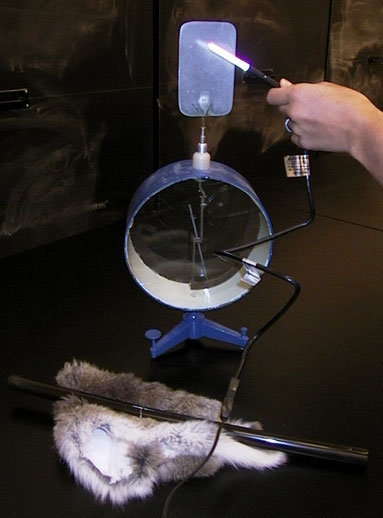
By way of the classical photoeffect, Einstein proved in 1905 that light also has particle character. However, with extremely high light intensities, remarkable things happen in the process, say scientists of the Physikalisch-Technische Bundesanstalt (PTB) and colleagues at FLASH in Hamburg, the first free-electron laser (FEL) for soft X-rays worldwide.


