



Antidepressants are the most widely used treatment for people with moderate to severe depression but up to two thirds of people with depression don't respond fully to antidepressants.

A new paper in The Lancet says cognitive behavioral therapy reduces symptoms of depression and helps improve patient quality of life when provided in addition to the usual care.

They say this is the first large-scale trial to test the effectiveness of cognitive behavioral therapy, a type of talking psychotherapy, given in addition to usual care that includes antidepressants. The CoBalT study aimed to determine the best 'next step' treatment for people whose depression had not responded to medication alone. 

In modern times, we have been spoiled by the ability of the private sector to make technology shrink in both cost and size - but Moore's Law can't do that forever using regular electrical signals.

Maybe it is time for Moore's Light to take over? 

Whether or not different species of early humans interbred and produced offspring of mixed ancestry - hybridization - has been the subject of recent studies but the findings are not universally accepted.

Electronic cigarettes are booming. Germans love to smoke, but love dying not so much, and so an estimated two million people in Germany have already turned to the vapor cigarette, which many view as a healthy alternative to conventional smoking.

Some are warning of possible health risks, claiming that the long-term consequences cannot yet be foreseen, the old 'you cannot prove it it safe' impossibility, and studies to-date have been mixed.

Partof the issue is that smoking remains a hot-button issue, and so there is a general lack of substantiated facts. Researchers at the Fraunhofer Institute for Wood Research WKI in Braunschweig say they can be objective and set out to learn if e-cigarettes pollute the surrounding air. Second hand vapor, anyone?

If you looked at the "Black Marble" images of Earth at night released by NASA and the National Oceanic and Atmospheric Administration this week, you may have noticed bright areas in the largely uninhabited western part of Australia.

What's the story?

Giant crevasses that penetrate upward from the bottom of the   Larsen C Ice Shelf, the largest remaining ice shelf on the Antarctic Peninsula, make it more susceptible to collapse, according to researchers who spent the last four Southern Hemisphere summers studying the massive floating sheet of ice that covers an area twice the size of Massachusetts.

But the scientists also found that ribbons running through the Larsen C Ice Shelf, made up of a mixture of ice types that, together, are more prone to bending than breaking, make the shelf more resilient than it otherwise would be.

Toxoplasmosis is caused by the Toxoplasma gondii parasite, which experts estimate infects 30 to 50 percent of the global population. 

The early results of a trial to treat leukemia with a WT1 DNA vaccine looks promising,  according to a presentation at the DNA Vaccines 2012 conference in California by Christian Ottensmeier, the trial's principal investigator and Professor of Experimental Cancer Research at the University of Southampton.

The interim results, from eight patients, are part of a phase II trial that will enroll 31 patients in its chronic myelogenous leukemia (CML) arm.  Ottensmeier

noted robust vaccine-specific antibody responses in all vaccinated patients evaluated to date. Furthermore, T cell immune responses, including those of the "killer T cells," were detected. Antibody and T cell responses are strong signals of the DNA vaccine's potential to treat the disease. 

A new preprint is out in the arxiv today, detailing the results of a new analysis of neutrino speeds performed by the OPERA collaboration using proton spills of the CNGS beam produced during dedicated runs in May this year.

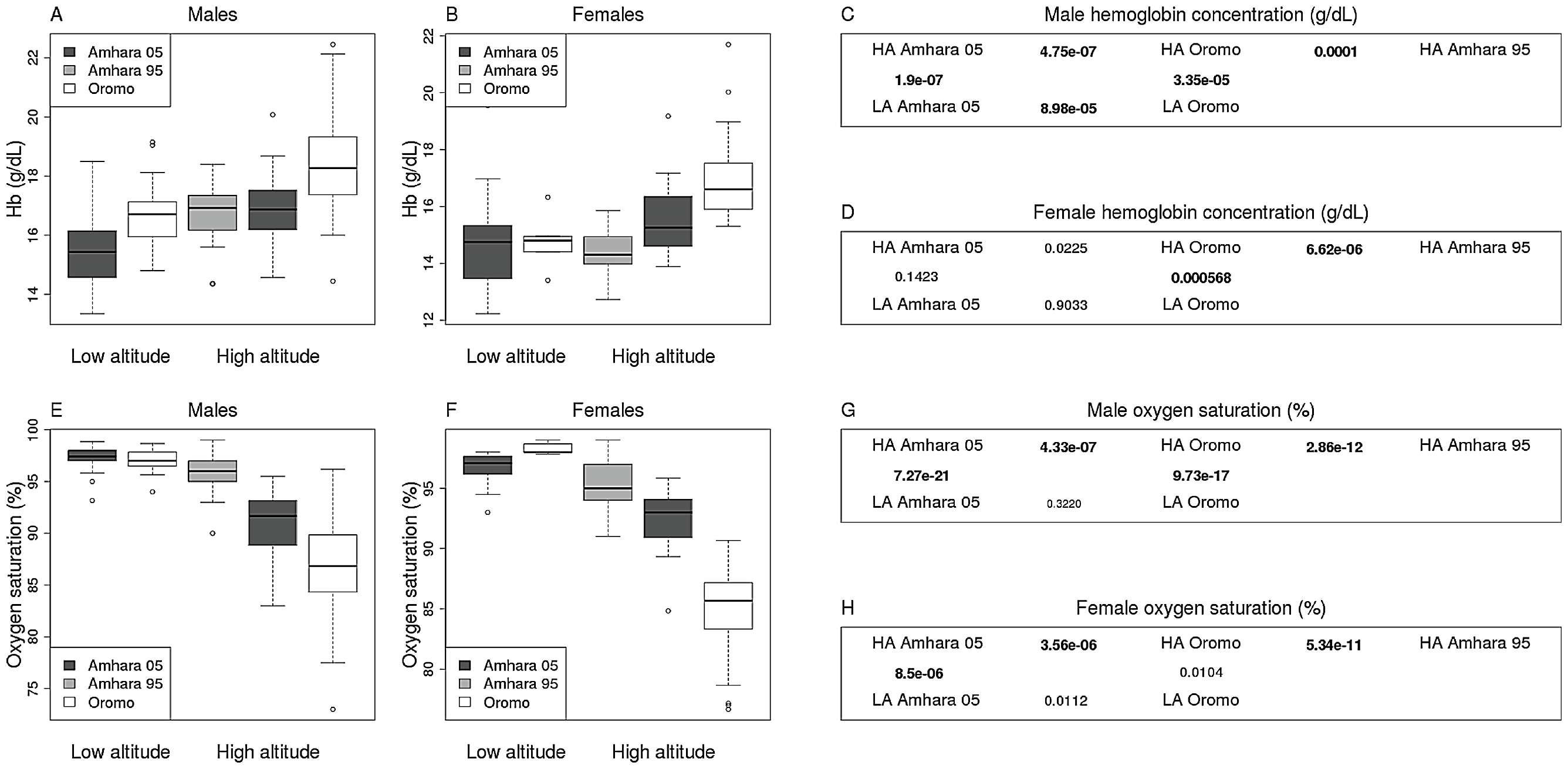
Tibetan and Ethiopian highlanders share a biological adaptation that enables them to thrive in the low oxygen levels of high altitudes, but the ability to pass on the trait appears to be linked to different genes in the two groups.

The adaptation is the share is the ability to maintain a low (for high altitudes) level of hemoglobin, the oxygen-carrying protein in red blood cells. Members of populations who historically live at low altitudes respond to the thin air by increasing hemoglobin levels. The response can help draw oxygen into the body to try and avoid hypoxia, but that increases blood viscosity and the risks for thrombosis, stroke and difficulties with pregnancies.

