The medium in which light propagates is space. This space can curve. The curvature is not static. So, this space moves. Its behavior can be analyzed by a kind of fluid dynamics. Let us call this method quantum fluid dynamics. It differs from conventional fluid dynamics in the medium that is treated. In conventional fluid dynamics this is a gas or a fluid. Fluid dynamics concerns density distributions and currents. In quantum fluid dynamics these are space density distributions and space current density distributions. They can be combined in quaternionic distributions, where the real part is the space density distribution and the imaginary part is the space current density distribution.
Entropy. A subject that comes back
again and
again and
again and
again and
again in this blog. And so does the question in my inbox: "
what exactly is entropy?" On the internet you can find a plethora of answers to this question. The quality of the answers ranges from 'plain nonsense' to 'almost right'.
Among cancer deaths worldwide, lung cancer is the leader.
It isn't just the tumor cells, the growth of blood vessels controls tumors development and blood vessel growth is controlled by several signalling molecules. Scientists have discovered a molecule, phosphodiesterase PDE4, that plays a key role in this process and they have succeeded in reducing tumor growth in their experiments by blocking it.
Stars live for a long time - millions of years - but near the end of their lives, some massive stars go through what astronomers call the yellow supergiant phase.
Because the timeframe is so short, cosmically, witnessing a yellow supergiant phase is rare - almost as rare as a Kardashian staying married when ratings slip. Like with celebrity relationships, if you want to witness the big meltdown you have to stay vigilant in astronomy. And keep your camera running.
The iconic Coelacanth are fish well-known as ‘living fossils’. Coelacanths were thought to have died out with the dinosaurs and then a living one was caught off the coast of South Africa in 1938, sending waves of excitement throughout the scientific world.
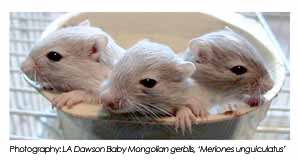
There are new clues in the quest for a fully coherent theory of the perception and neural representation of size-variant human vowels in the Mongolian gerbil.
Previous investigations in the US (see:
Science 2.0, Beachcombing in Academia, February 15th 2012) found that Mongolian gerbils can easily be trained to recognise vowel sounds in human speech.
Clinical studies, the central means by which preventive, diagnostic, and therapeutic strategies are evaluated, that were registered between 2007-2010 were dominated by small, single-center trials and contained significant heterogeneity (different in nature, difficult to compare) in methodological approaches, including the use of randomization, blinding, and data monitoring committees, according to an analysis in JAMA.
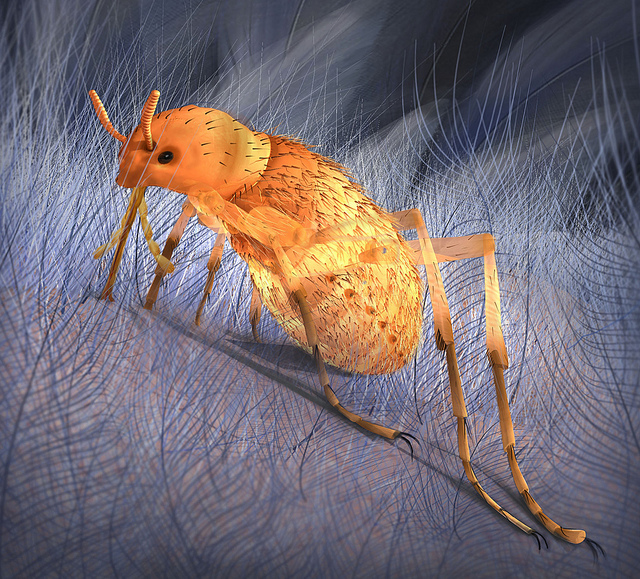
Giant flea-like animals, possibly the oldest of their type ever discovered, bit creatures much larger than they are 165 million years ago - and lived to talk about it.
These flea-like animals, were similar to modern fleas but 10 times the size of a flea you might find crawling on your family dog – with a proboscis and an extra-painful bite to match. Dinosaurs were likely not amused.
“Let’s play “Jeopardy.” Round One: Science Literacy. Category: Evolution. For $500: Which is the largest demographic group to reject Darwin’s theory of evolution?”
A new imaging study shows the brains of embryonic chicks can 'wake' long before chicks are ready to hatch out of their eggs - but it took loud, meaningful sounds. Playing meaningless sounds wasn't enough to rouse their brains.
As modern medicine continues to push back the gestational age at which prematurely born infants can reliably survive, pediatricians have worried about the effects of stimulating brains that are still 'under construction'. It turns out that,like adult brains, embryo brains also have neural circuitry that monitors the environment to selectively wake the brain up during important events.