



For decades, Americans have been told that high blood cholesterol as a result of heavy saturated fat intake causes cardiovascular disease.

As such, Statin drugs are often prescribed to curb cardiovascular disease  risk by lowering cholesterol. That convention was challenged by a recent paper.

So now what?
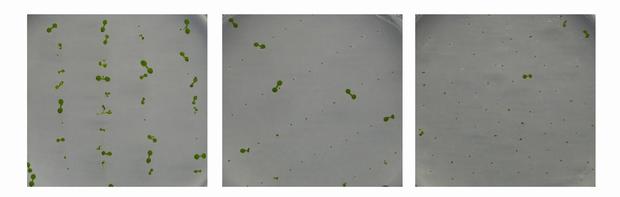
Researchers have discovered a new way of improving the longevity of plant seeds using genetic engineering. 

The key is over-expression of the ATHB25 gene. This gene encodes a protein that regulates gene expression, producing a new mutant that gives the seed new properties. Researchers have proven that this mutant has more gibberellin -the hormone that promotes plant growth-, which means the seed coat is reinforced as well.

This mechanism is new, as tolerance to stresses such as aging has always been associated with another hormone, abscisic acid, which regulates defenses based on proteins and small protective molecules, instead of producing the growth of structures like gibberellin does.

The University of the Basque Country Cell Biology in Environmental Toxicology group has conducted research using thick-lipped grey mullet and in six zones and report acquisition of feminine features by male fish in all the estuaries, not only in the characteristics of the gonads of the specimens analyzed but also in various molecular markers. 

According to Miren P. Cajaraville, director of the research group, the results -  Arriluze and Gernika in 2007 and 2008, Santurtzi, Plentzia, Ondarroa, Deba and Pasaia since then  -show that "endocrine disruption is a phenomenon that has spread all over our estuaries, which means that, as has been detected in other countries, we have a problem with pollutants."

Thanks to a constant stream of commercials advertising pharmaceuticals, men know that if they are not spending enough time sitting in a bathtub in the forest, a pill can cure that. Apparently it works for erectile dysfunction also.

But that last part may be a symptom rather than the disease and something as simple as changing lifestyle factors can fix it. 

A new paper highlights the incidence of erectile dysfunction and lack of sexual desire among Australian men aged 35-80 years. Over a five-year period, 31% of the 810 men involved in the study developed some form of erectile dysfunction.

Now that we know that the Higgs boson has a mass of 125 GeV and displays all the properties that a regular standard model Higgs boson should have, one question you could ask is, is it possible that a top quark decays into a Higgs boson ?

The question is a legitimate one since the top quark has a mass 40% larger than the Higgs, so in principle a decay could be allowed. For instance, one could imagine that the top "fluctuates" into a bottom quark - W boson combination, then that the W boson emits a Higgs particle, and finally the bottom quark and W boson fuse themselves into a charm quark. Or, once the top fluctuates into a Wb pair, it is the bottom quark which emits the Higgs boson before rejoining with the W creating a charm quark. The diagrams are shown below.
America has seen a 30 percent rise in autism since the last estimate in 2012, according to the Centers for Disease Control.

That's a big jump, an epidemic even. Mainstream media is going to have a field day and everyone will be looking for ways to demonize their favorite societal targets.

Before we start writing to Congress, we need to keep a few things in mind.

(1) It's an estimate based on diagnoses

West Nile virus is spread by infected mosquitoes and targets the central nervous system. It can be fatal disease and there is currently no cure or drug treatment. It has spread across the U.S., Canada, Latin America and the Caribbean. 

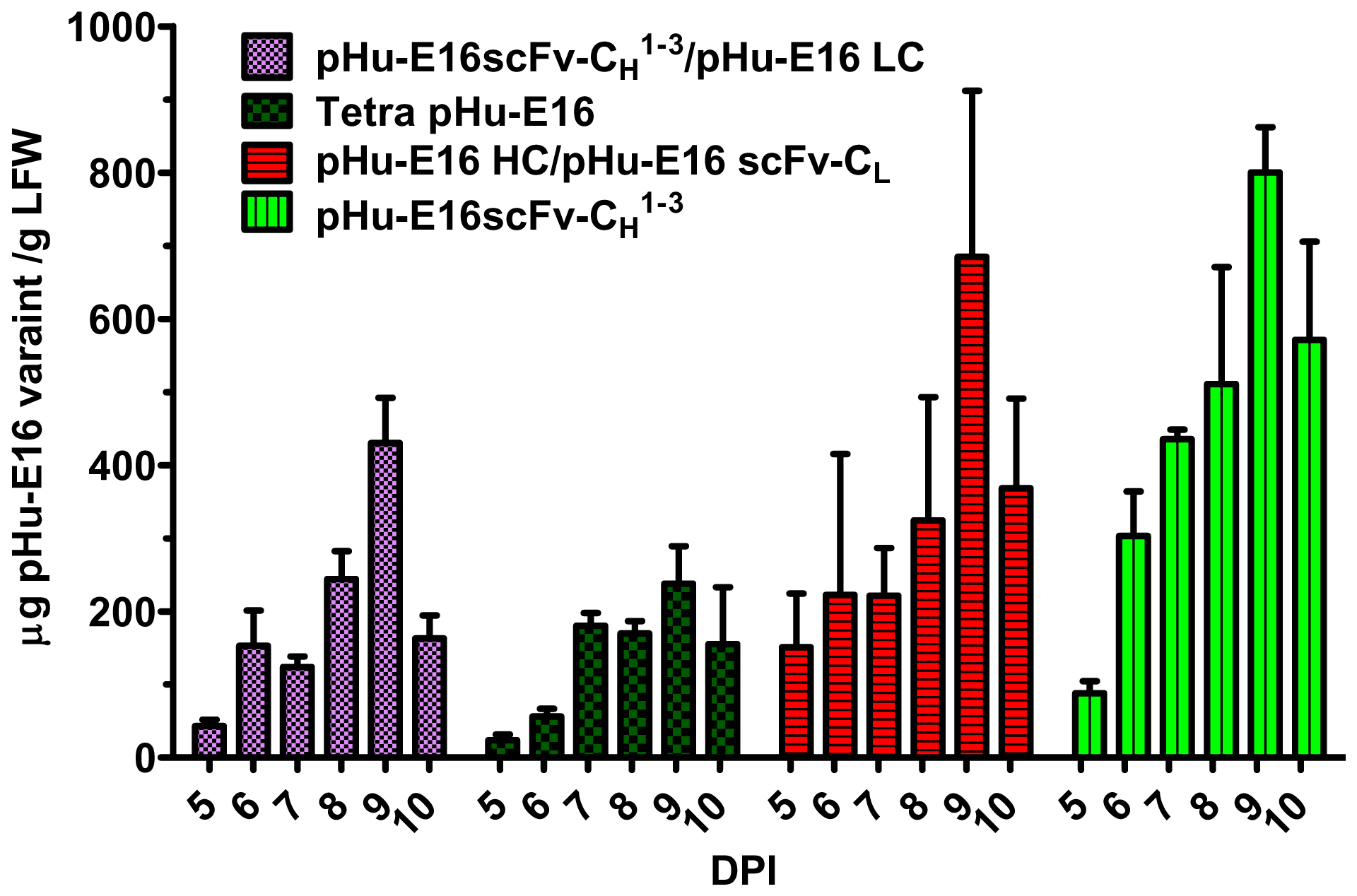
An international research group has developed a cost-effective therapeutic against West Nile virus and other pathogens. The therapeutics, known as monoclonal antibodies (MAbs) and their derivatives, were shown to neutralize and protect mice against a lethal dose challenge of West Nile virus - even as late as 4 days after the initial infection. 

A novel method for distinguishing different types of bowel disease using the stool samples of patients has been created by a group of researchers in the UK.

It works by analysing the chemical compounds emitted from the samples and could provide cheaper, quicker and more accurate diagnoses, at the point of care, for a group of diseases that have, up until now, been very hard to distinguish.

The preliminary results of the test, which have been published today, 28 March, in IOP Publishing's Journal of Breath Research, show that patients with either inflammatory bowel disease (IBD) or irritable bowel syndrome (IBS) could be distinguished from each other with an overall accuracy of 76 per cent.

A new chemical messenger that is critical in protecting the brain against Parkinson's disease has been identified by scientists at the Medical Research Council (MRC) Protein Phosphorylation and Ubiquitylation Unit at the University of Dundee.

The research team led by Dr Miratul Muqit had previously discovered that mutations in two genes – called PINK1 and Parkin – lead to Parkinson's.

Now they have made a completely unexpected discovery about the way the two genes interact, which they say could open up exciting new avenues for research around Parkinson's and offer new drug targets. The results of their research are published in Biochemical Journal.

Geneticists and anthropologists previously suspected that ancient Africans domesticated cattle native to the African continent nearly 10,000 years ago. Now, a team of University of Missouri researchers has completed the genetic history of 134 cattle breeds from around the world. In the process of completing this history, they found that ancient domesticated African cattle originated in the "Fertile Crescent," a region that covered modern day Iraq, Jordan, Syria and Israel.

