





Obesity is a growing problem, that is the downside to a a world where agricultural science has allowed plentiful food to be grown cheaply. With kids the problem is compounded. Obese youth are more likely to have risk factors for cardiovascular disease, such as high cholesterol or high blood pressure. A population-based sample of 5- to 17-year-olds, 70% of obese youth had at least one risk factor for cardiovascular disease, according to the Centers for Disease Control.

When you think of treating urinary incontinence in senior women, what is the first thing that comes to mind?

Probably not dancing. But maybe it will work, and it sounds like fun. 

For a study of potential benefits of dancing (and virtual reality), researchers added a series of dance exercises via a video game console to a physiotherapy program for pelvic floor muscles. The results of the small study (24 participants) was a greater decrease in daily urine leakage than for the usual program (so, an improvement in effectiveness) as well as no dropouts from the program and a higher weekly participation rate (an increase in compliance). 

Can you believe it's already been 10 years?

Before there was a cute Rover on the Martian surface, delighting us with pithy commentary on Twitter, we had Mars Express paving the way. Ten years ago, on 14 January 2004, it took its very first images, in color and in 3-D.

The problem with diagnosing and treating pain is that it's so subjective. But a new paper in Pain says that brain structure may hold some answers. 

Researchers at Wake Forest Baptist Medical Center say that
the amount of grey matter in certain regions of the brain
 is related to how intensely people perceive pain.  

The brain is made up of both grey and white matter. Grey matter processes information much like a computer, while white matter coordinates communications between the different regions of the brain.

Crowdfunding is just like anything else; it is wonderfully naive to believe that a great idea will organically take off and be successful - but doomed to fail most of the time.

Computer scientists from Georgia Tech are here to help; after analyzing more than 45,000 projects on Kickstarter, Assistant Professor Eric Gilbert and doctoral candidate Tanushree Mitra have revealed dozens of phrases that pay and a few dozen more that may signal the likely failure of a crowd-sourced effort. 

The language used in online fundraising, they say, holds surprisingly predictive power about the success of such campaigns.

One of the less positive aspects of race-baiting culture left over from the 1960s is the charge that you are 'not black enough' if you don't dress, act or speak in a stereotypical way.

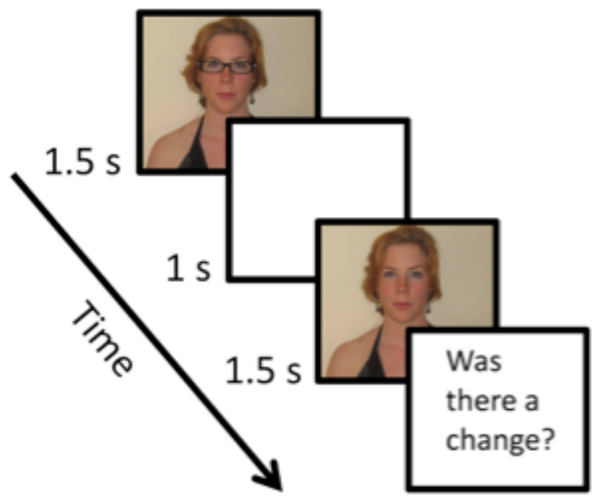
A paper has determined that while people can reliably become aware of changes - visual awareness can extend beyond objects we focus on - that doesn't mean we can identify what has changed.  Their example is that a person might notice a general change in someone's appearance but not be able to identify that the person had had a haircut.  

Lead author Dr. Piers Howe from the Melbourne School of Psychological Sciences said the research is the first to show in a scientific study that people can reliably sense changes that they cannot visually identify. 

You may think you eat too much but humans (and other primates) actually burn 50% fewer calories each day than other mammals, according to a study in the Proceedings of the National Academy of Sciences.

Our remarkably slow metabolisms explain why humans and other primates grow up slowly and live long lives.

A new blood test developed by ImmusanT in Boston and the Walter and Eliza Hall Institute can rapidly and accurately diagnose celiac disease without the need for prolonged gluten exposure, according to a preliminary result with 48 participants.

The new diagnostic test gave a result within 24 hours and the preliminary findings indicated it could accurately detect celiac disease. Larger studies will be needed to verify the results.

For decades, some minority students (blacks, Latinos, native Americans) were given preferential treatment in college admissions while other minorities (Asians) were penalized. This posed a legal and cultural dilemma. Stipulating that recruitment must occur “without regard to race, color, or creed” except for certain groups was seemingly in conflict with the 14th Amendment to the Constitution, which forbids consideration of race.

