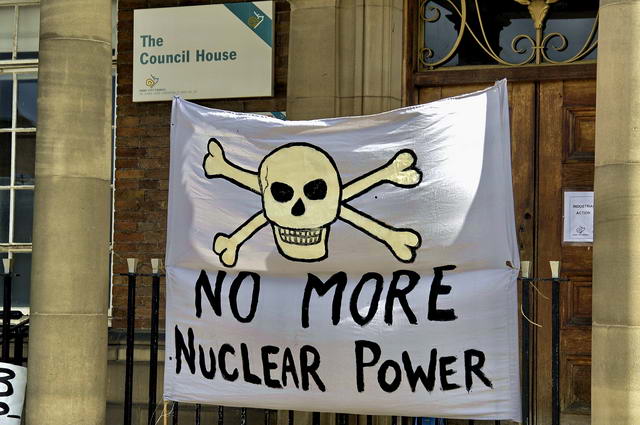




Leading conservationists from around the world have called for environmental lobbyists to stop blocking nuclear energy in defiance of the science consensus. It's clean, it's green, and it's needed to mitigate climate change and protect biodiversity.

In an open letter to environmentalists, over 60 scientists ask the environmental community to "weigh up the pros and cons of different energy sources using objective evidence and pragmatic trade-offs, rather than simply relying on idealistic perceptions of what is 'green'".

Organized by ecologists Professor Barry Brook and Professor Corey Bradshaw from the University of Adelaide's Environment Institute, the letter supports their recent article (DOI: 10.1111/cobi.12433) in Conservation Biology.

The rate at which carbon emissions might be warm Earth's climate today are a lot like the past. 56 million years in the past.

The authors of a new paper believe the Paleocene-Eocene thermal maximum, or PETM, can provide clues to the future of modern climate change. The good news: Earth and most species survived warming that was a lot more pronounced  -  up to 15 degrees Fahrenheit - than even the most dour predictions being made now. The bad news: It took 200,000 years to get back to what we now consider normal.

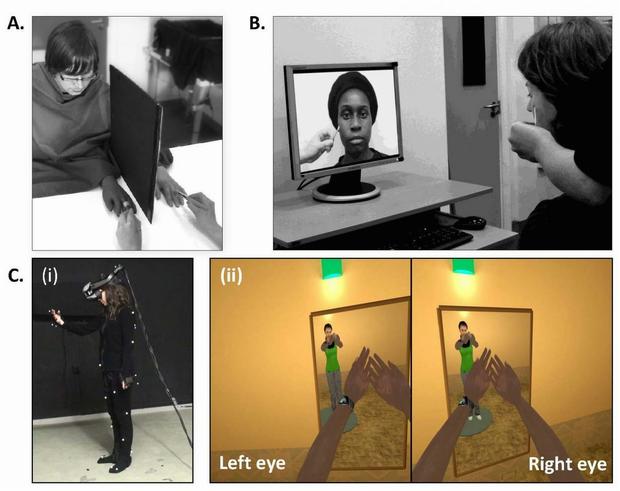
You're probably not racist. As the world has gotten smaller, race as a bias has become less of a thing. Yet there is a test - the Implicit Association Test - that is guaranteed to show you are racist and weak observational studies that use it end up in a lot of mainstream media stories.

Now there may be a way to cure it.

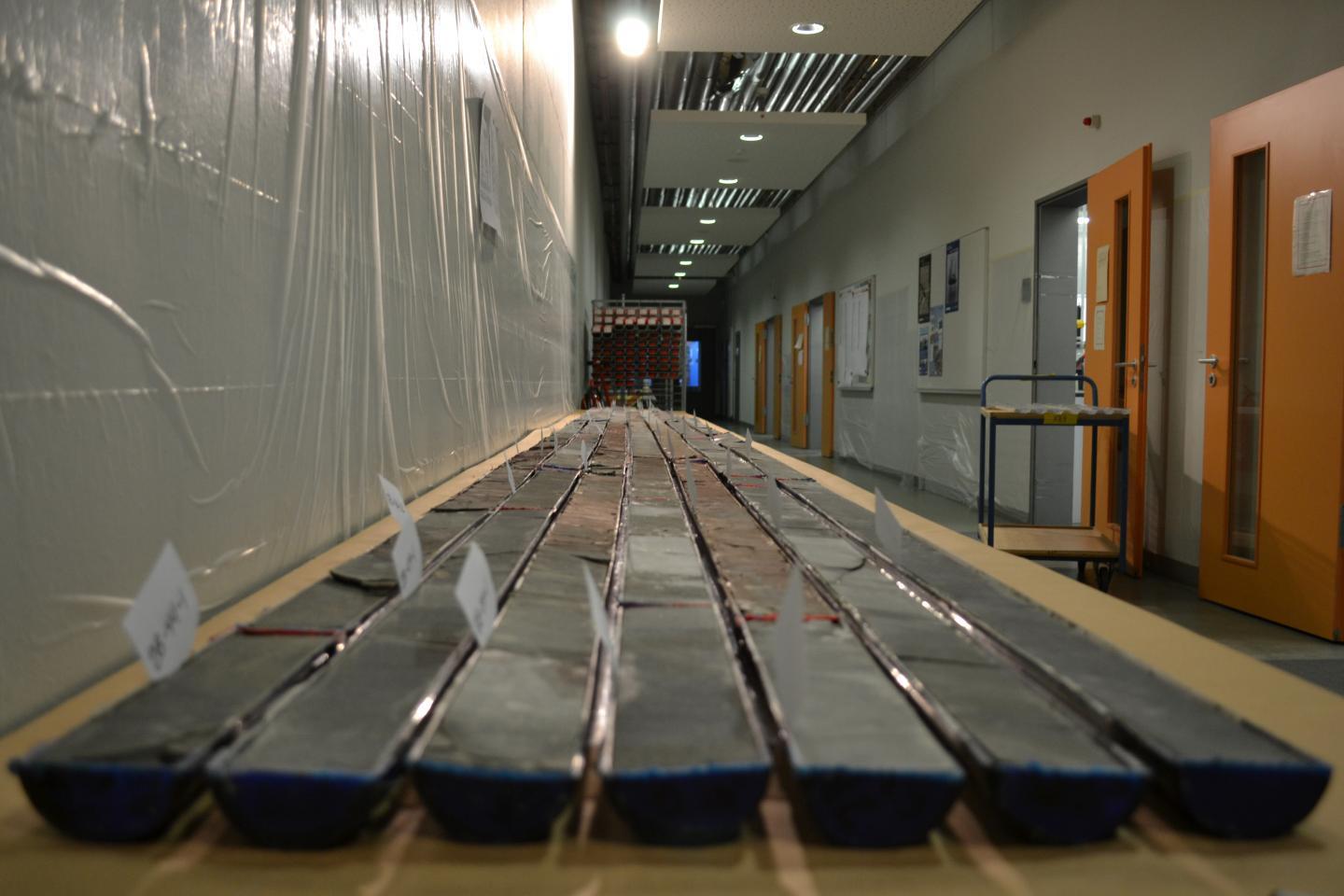
When the Bárðarbunga volcano beneath Iceland's Vatnajökull ice cap reawakened in August 2014, scientists got an opportunity to monitor how the magma flowed through cracks in the rock away from the volcano.

 Although it has a long history of eruptions, Bárðarbunga has been increasingly restless since 2005, including a dynamic period in August and September of this year, when more than 22,000 earthquakes were recorded in or around the volcano in just four weeks, due to stress being released as magma forced its way through the rock. 

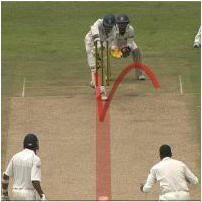
Are umpires biased? There has been sociological woo produced trying to prove they are racist in baseball but a paper has found that if a cricket team has home umpires, some bias does get introduced, at least in Test cricket, the longest form of the sport .

Though drugs spend years in development and hundreds of millions or even billions of dollars are spent in increasingly demanding clinical trials before approval, a lot of prescription drugs get added warning labels - or can even be withdrawn - after release to the public because of hidden toxicity that clinical trials did not find. 

A new toxicity test invented at the University of Utah could make it possible to uncover dangerous side effects earlier in pharmaceutical development.

In the United States in the 1930s, climate change and droughts and excessive agricultural practices combined to give the country a 'Dust Bowl' - as farmers became more stressed during the Depression they farmed harder, so ancient agricultural practices got left behind.

Modern agricultural science is a little smarter. Scientists make sure farmers know the right application for pesticides and when it comes to biotech crops, they make sure pests don't develop 'herd immunity'.

Though some see snowstorms and believe global warming has been exaggerated, a new study using predictions of Greenland ice loss and its impact on rising sea levels instead finds that other models may be greatly underestimating it.  

The new estimate simulates future distribution of lakes that form on the ice sheet surface from melted snow and ice, called supraglacial lakes. Previously, the impact of supraglacial lakes on Greenland ice loss had been assumed to be small, but the new research has shown that they will migrate farther inland over the next half century, potentially altering the ice sheet flow in dramatic ways.

A new study says that delaying the cutting of the umbilical cord in newborns by two minutes leads to a better development of the baby during the first days of life - by influencing the resistance to oxidative stress in newborns. 


You definitely didn't have one? Honestly? Shutterstock

By Lara Warmelink, Lancaster University


