


Patients with terminal forms of leukemia and lymphoma who have run out of treatment options could still aid science -  a Phase 1 trial into a new class of BTK (Bruton's Tyrosine Kinase) inhibiting drugs at Derriford Hospital in Plymouth.

If it works, the new drug will improve a patients' life expectancy and quality of life by putting an end to chemotherapy with no side effects. 

Should mothers feel guilty if they actually feel stress during pregnancy? What if they suffer postpartum depression, do those things hurt baby brains?

No, but pop psychology coverage in mainstream media is increasingly making its way into policy decisions. The only thing harmed is mothers who feel even more stress knowing that their stress could be harming their child in the womb or in the developing stages.

The influential policy-informing 'evidence' that children's brains are irreversibly 'sculpted' by parental care is questionable evidence and a new paper warns that the success that advocates of 'brain-based' parenting have had in influencing government policy could be undermining parent-child relationships.

Radiological damage at Chernobyl doesn't just keep plant life from growing, it even keeps plant life from decomposing.

A paper in the journal Oecologia finds that microbes near the site of the Chernobyl disaster has slowed the decomposition of fallen leaves and other plant matter in the area. The resulting buildup of dry, loose detritus is a wildfire hazard that poses the threat of spreading radioactivity from the Chernobyl area.

A team of agronomists, entomologists, agroecologists, horticulturists and biogeochemists have determined that planting cover crops in rotation between cash crops - widely agreed to be ecologically beneficial - is even more valuable than previously thought. 

Writing in Agricultural Systems, the Penn State researchers quantified the benefits offered by cover crops across more than 10 ecosystem services. Benefits included increased carbon and nitrogen in soils, erosion prevention, more mycorrhizal colonization -- beneficial soil fungus that helps plants absorb nutrients -- and weed suppression.

Daniel H. Conrad, professor of microbiology and immunology at the
Virginia Commonwealth University
 School of Medicine, and colleagues have uncovered a new connection between allergy and cancer that could potentially lead to therapies involving common antihistamines. 

In the Journal of Leukocyte Biology, their study found that histamine, a component of the immune system that responds to allergens and foreign pathogens and is also linked to inflammation, plays a role in protecting tumors from the immune system. By blocking the production of histamine in animal models, the researchers were able to interrupt a process that promotes melanoma growth. 

This week, the people of Crimea overwhelmingly voted to join Russia. They were jubilant, the Russian people were prideful, and Europe and the United States acted like it was the start of a World War. President Obama levied sanctions on President Vladimir Putin's friends, leading the Russian Deputy Prime Minster to ask if it was some sort of joke.

A study of 235 bereaved parents participating in an online support community revealed that startling 37.4 percent of them were prescribed a psychiatric medication to help them cope with the loss of their child, either during pregnancy or within the first month of life. Some women received prescriptions within a week, which doesn't meet any criteria for depression. 

Of the 88 parents given psychiatric prescriptions, 79.5 percent were for antidepressants and 19.5 percent were only prescribed sedatives or sleep aids. Prescriptions were written shortly after the loss in many cases: 32.2 percent within 48 hours; 43.87 percent within a week; and 74.7 percent within a month. Most women prescribed antidepressants then took them long term, some for years.

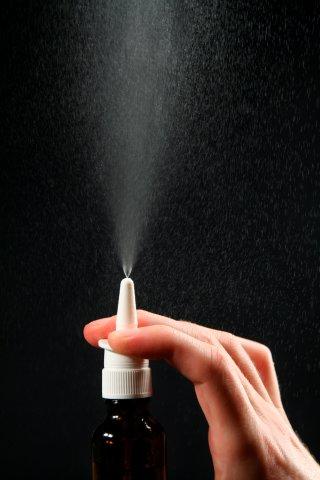
A new type of single-dose vaccine comes in a nasal spray and doesn't require refrigeration.

The latest design and testing of these "nanovaccines" sets the stage to dramatically alter the public health landscape because it can get more people vaccinated around the world squash the looming threats of emerging and re-emerging diseases. 

Trust is an essential basis for business relationships but it can be easily shaken if one business partner exhibits dishonest behavior.  And so a subconscious strategy to help avoid the negative emotions associated with any breaches of trust may cause some to prefer computers over people, according to a new paper.

When individuals engage in risky business transactions with each other, they may end up being disappointed and so they'd rather leave money decisions to a computer, says Prof. Dr. Bernd Weber from the Center for Economics and Neuroscience (CENs) at the University of Bonn. "As a result, people are not all that eager to put their trust in others." 

This news release is available in German.


