



Humans didn't cause problems for everything we get blamed for but DNA evidence in a paper suggests that the ancient New Zealand megaherbivore, moa, a distant relative of the Australian Emu, did go extinct shortly after Polynesians arrived  in the late 1200s.

All nine species of New Zealand moa, the largest weighing up to 250 kilograms, have been gone for centuries and other studies suggest that huge populations of moa had collapsed before people arrived and hence influences other than people were responsible for the extinction, like climate change killing the vegetation. Instead, the authors say humans killed the environment and that killed the moa.

In 2011, Rice Religious Studies graduate student Grant Adamson was doing a summer internship at Brigham Young University and tackled something that no one had been able to do in a hundred years - he deciphered 1,800-year-old letter from an Egyptian solider serving in a Roman legion in Europe.

While young people always think their situation is exceptional and previous generations just don't understand, the letter shows the Roman soldier had many feelings similar to what some soldiers feel today.

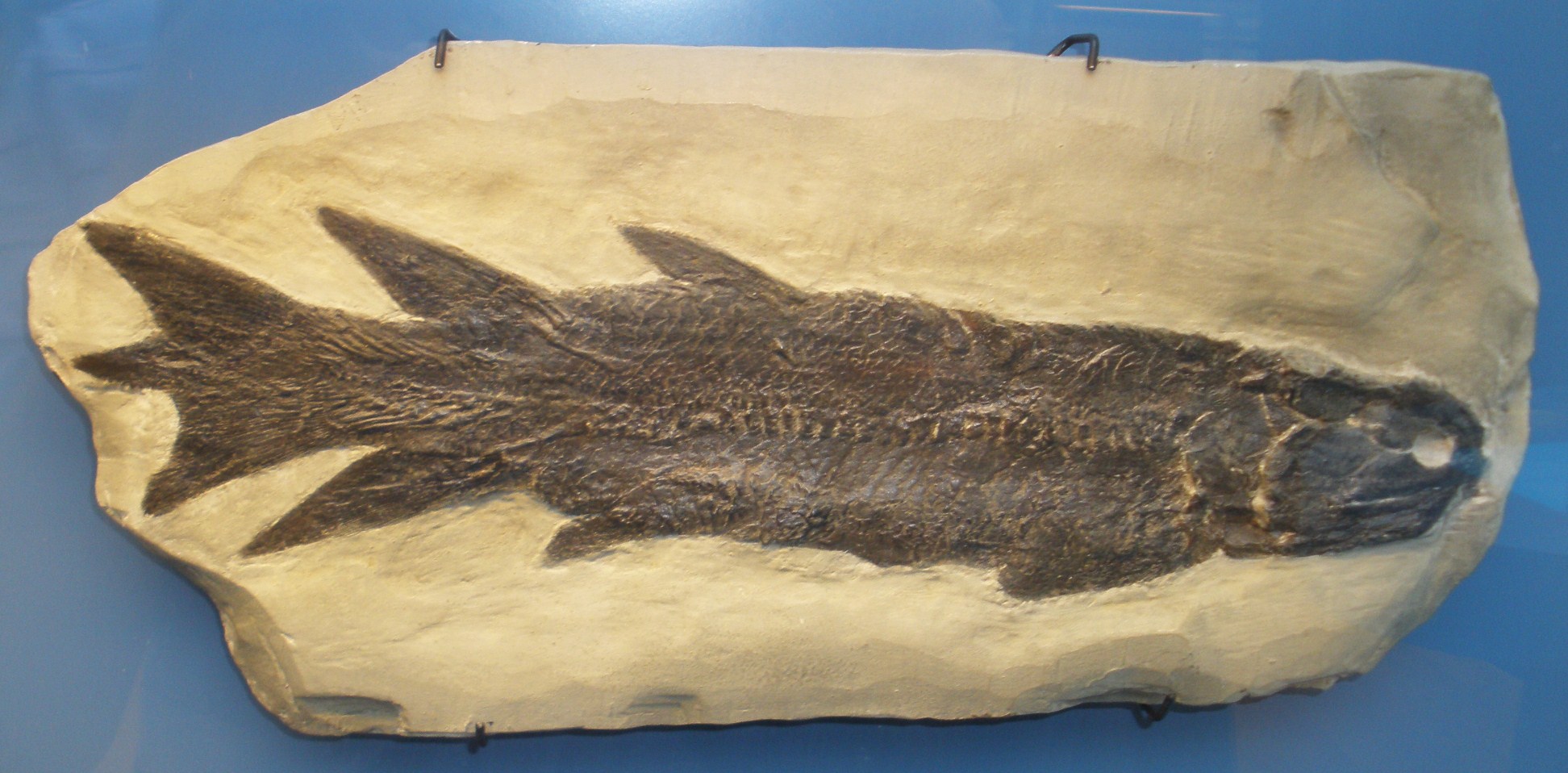
Researchers have found the earliest fossil evidence for the presence of bone marrow in the fin of a 370 million-year-old fish,
Eusthenopteron, a Devonian lobe-finned fish from Miguasha in Canada that is closely related to the first tetrapods.

According to Dr. Fletcher, typical approaches for evaluating anti-obesity type drugs rely on more subjective methods—like having test subjects self-report their ratings of hunger and cravings.

"When a person is asked how much they subjectively desire a food, they may feel pressured to give a 'correct' rather than a true answer," said Dr. Fletcher, "[Our] grip force task may, under certain circumstances, present a more accurate reflection of what they really want."

The heart disease drug perhexiline is one of 101 compounds predicted to prevent cancer growth in most patients suffering from our most common liver cancer, HCC. This is an outcome from a novel simulation-based approach using personal sets of proteins of six HCC patients.

"This is the first time personalized models have been used to find and evaluate new potential drugs," says Professor Jens Nielsen at Chalmers University of Technology.
--

I would like for my son, Leif, to play the violin. I’m a serious ex music geek and so in addition to pegging me as an abhorrent tiger parent intent on thrusting my offspring into the one-percent where they can be hedge fund managers and own things like furniture coasters, I also happen to think that music is an enriching skill that adds depth to a life well lived.

That’s beside the point.

The popular belief is that religion and being poor are the biggest risk factors for violent radicalization but a new analysis by Queen Mary University of London has instead found that youth, wealth, and being in full-time academia are more common in the UK.

The pioneering research assessed population prevalence of sympathies for terrorist acts – a key marker of vulnerability to violent radicalisation – and their relationship with commonly assumed causes of radicalisation. The community study surveyed over 600 men and women of Pakistani, Bangladeshi and Muslim heritage in London and Bradford, aged 18-45.

Statins may provide doctors with an unlikely new weapon with which to slow the progression of multiple sclerosis (MS).

No treatments can currently abate the advanced stage of the disease, known as secondary progressive MS, which gradually causes patients to become more disabled.

In a two-year clinical trial involving 140 patients with secondary progressive MS, the drug simvastatin slowed brain shrinkage, which is thought to contribute to patients' impairments. Supporting this finding, patients on simvastatin achieved better scores on movement tests and questionnaires that assess disability than patients taking a placebo.

True monogamy is rare in the animal kingdom. Even in species that appear to "mate for life," genetic maternity and paternity tests have revealed that philandering often takes place.

Yet a new study by University of Pennsylvania researchers shows that Azara's owl monkeys (Aotus azarae) are unusually faithful. The investigation of 35 offspring born to 17 owl monkey pairs turned up no evidence of cheating; the male and female monkeys that cared for the young were the infants' true biological parents.

An additional analysis of 15 pair-living mammals by the Penn team found a strong connection between a species' faithfulness and significant involvement of males in caring for their young.

A UNSW-led team of researchers studying bottlenose dolphins that use sponges as tools has shown that social behaviour can shape the genetic makeup of an animal population in the wild.

Some of the dolphins in Shark Bay in Western Australia put conical marine sponges on their rostrums (beaks) when they forage on the sea floor – a non-genetic skill that calves apparently learn from their mother.

Lead author, Dr Anna Kopps, says sponging dolphins end up with some genetic similarities because the calves also inherit DNA from their mothers. As well, it is likely that sponging dolphins are descendants of a "sponging Eve", a female dolphin that first developed the innovation.


