Though the presence of Russian influence in social media during the 2016 election was hyped unrealistically (more damaging was their funding of activism against U.S. food and energy, designed to help them compete in Europe) the Federal Election Commission is perceived as being lax in digital advertising.
Because they gave exemptions to both Facebook and Google.
A new paper shows how they were able to avoid disclosing who paid for advertisements related to the election.
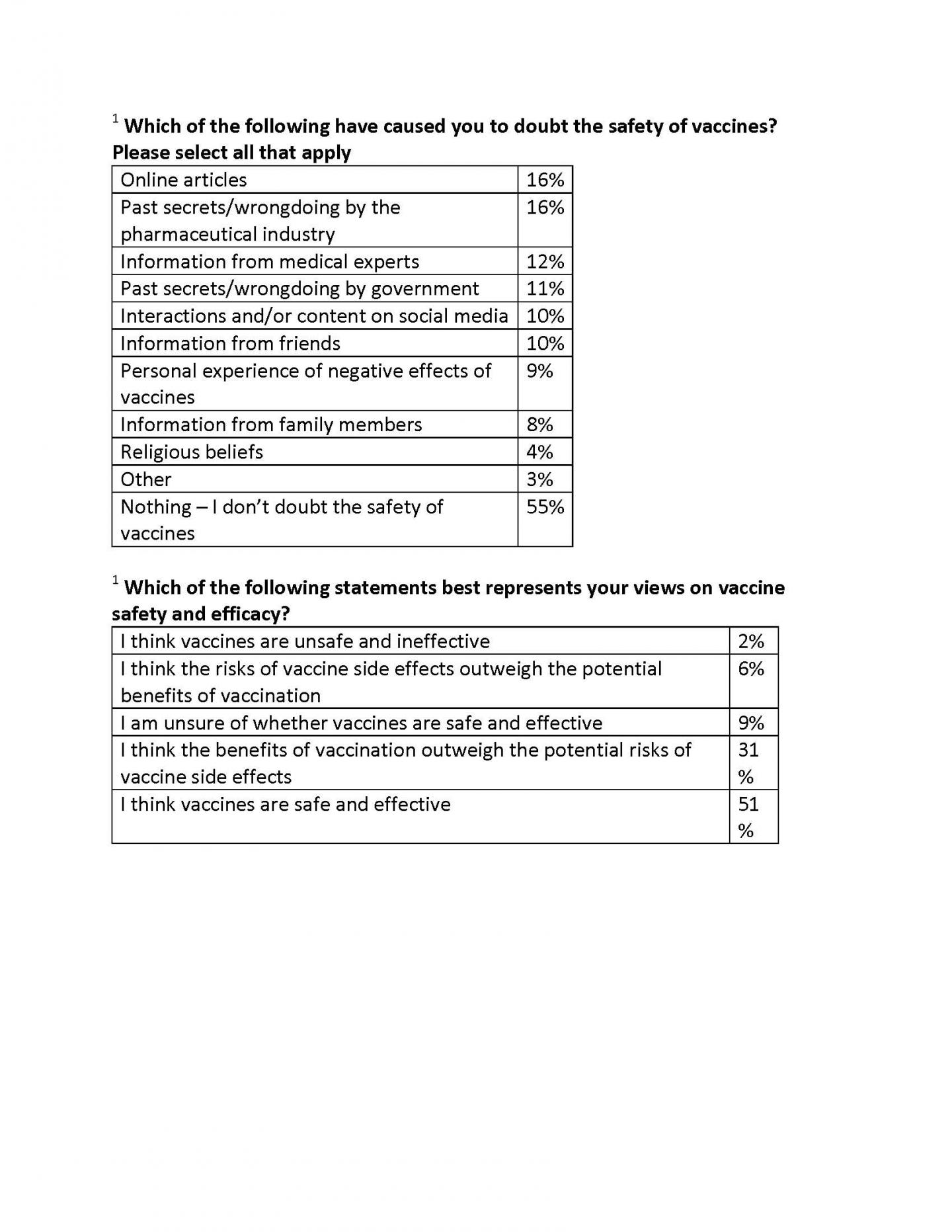
No one admits to being swayed by celebrities, Facebook groups, or media coverage, but their impact is clear. Whereas 10 years ago vaccine denial was only prominent among wealthy elites on the west coast, a new The Harris Poll paid for by the American Osteopathic Association says that 45 percent of American adults admit something has caused them to doubt vaccine safety.
That is bringing us
near European levels of science denial.
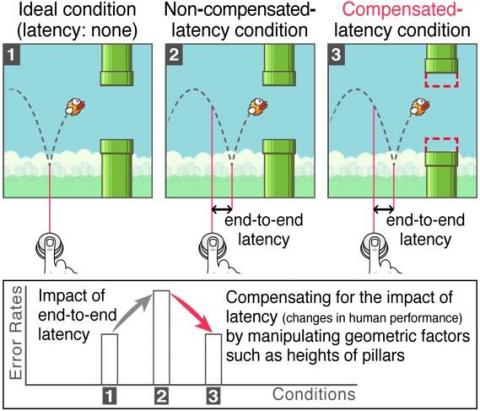
"Lag" is a common term for the latency in human-computer interactions caused by various factors related to the environment and performance of the devices, networks, and data processing.
There is no question it impacts the user's performance, and that impacts long-term usability, as the success of "Anthem" versus games like "Fortnite" show.
Math and science students do better who take music courses score significantly better on exams than their non-musical peers, and so do all students,
according to a recent paper.
This is a hot topic in education. Some argue that vocational schools should make a comeback, and that students interested in math and science should focus on that rather than music, the way musicians practice rather than taking more science classes, but a look at 112,000 Canadian students shows it's not a two-way street. Some will do more art or music and not benefit from more STEM courses, perhaps because they already do fine. But STEM students benefit from arts.
A new paper in JAMA Pediatrics correlates US immigration policy to adverse mental health outcomes in kids who are not immigrants at all - but their parents were.
A statistical correlation showed nearly a 50 percent increased risk of dementia among patients aged 55 and over who had used strong anticholinergic medication
to contract and relax muscles
daily for three years or more.
Anticholinergic drugs work by blocking acetylcholine, a chemical that transmits messages in the nervous system and is prescribed to treat a variety of conditions, including chronic obstructive pulmonary disease, bladder conditions, allergies, gastrointestinal disorders and symptoms of Parkinson's disease. Though they can have short-term side effects, including confusion and memory loss, there has been no scientific evidence that long-term use increases the risk of dementia.
If you have a large picture and you want people to focus on certain aspects of it, you frame it in such a way the eyes are drawn to it.
It's no different in media. Though journalists try to be objective each news outlet has self-selection bias, determined by advertisers and subscribers. If you are going to be a journalist at Fox News or the New York Times, there will be a hidden values test you must pass, even if editors and hiring groups are not aware they do it.
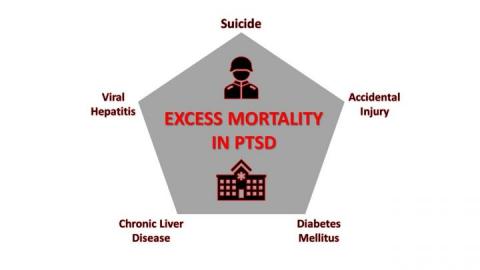
While no one knows that causes posttraumatic stress disorder (PTSD), because it is a blanket term for anything that can be deemed "trauma", one thing is clear: United States Veterans seeking treatment for PTSD as a population are at increased statistical risk of death compared with the general public.
Veterans with PTSD are twice as likely to die from suicide, viral hepatitis due to drug use, and even accidents than the general population.
Ever since President Clinton turned the Dietary Supplement Health and Education Act of 1994 into law, taking away federal authority over food and supplements unless bodies started dropping, the US Food and Drug Administration has been a little timid in doing the things it should do. Obviously it still approves products, but it has acted more like an agency buffeted by politics. When grassroots vaping caused smoking to drop, they responded to narrow political interests on the coasts, who were supported by both pharmaceutical and cigarette money, and basically declared all non-pharmaceutical smoking cessation products should be banned.(1)
Is it sacred land if it's two and a half miles in the air and only a few elites were allowed to visit on penalty of death for anyone else?