







Two transporters that deliver alternative energy sources to the eye may help delay retinal damage that can occur in diabetes, researchers say.

The transporters, SMCT1 and SMCT2, can circumvent the eye’s protective blood-retinal barrier, delivering energy sources lactate and ketone bodies to a healthy eye, says Dr. Pamela Martin, biochemist at the Medical College of Georgia.

In diabetes, characterized by plenty of glucose but the inability of cells to use it, the retina may turn to those alternate sources for survival.

“Glucose is your primary energy source,” says Dr. Martin. “But in diabetes, the retina undergoes a lot of stress, there is oxidative damage and a lot of other things going on.

An effective and sensitive new method for detecting and characterizing prions, the infectious compounds behind diseases like mad cow disease, is now being launched by researchers at Linköping University in Sweden and other institutions.

Mad cow disease (BSE), which has caused the death of more than 200,000 cattle and 165 people in the U.K., has now abated but other prion disorders are on the rise and there is concern that new strains will infect humans.

Prions are not readily transmittable from species to species, but once they have broken through the species barrier they can rapidly adapt and become contagious within the species.

Development of the first hybrid battery suitable for storing electricity from renewable energy sources such as solar and wind is now a step closer.

CSIRO and Cleantech Ventures have invested in technology start-up Smart Storage Pty Ltd to develop and commercialise battery-based storage solutions.

Director of the CSIRO Energy Transformed National Research Flagship Dr John Wright said the Smart Storage battery technology aims to deliver a low cost, high performance, high power stationary energy storage solution suitable for grid-connected and remote applications. “Cost effective, high performance energy storage has been the missing link for renewable energy,” he said.

Current battery storage solutions undergo frequent deep discharging and are unable to meet high power demands.

Biodiesel can be manufactured from any product containing fatty acids, such as vegetable oil or animal fats.

The report, The greenhouse and air quality emissions of biodiesel blends in Australia assesses the emission levels and environmental impacts of biodiesel produced from sources including used cooking oil, tallow (rendered animal fat), imported palm oil and canola.

CSIRO Energy Transformed National Research Flagship researcher and report author Dr Tom Beer believes the wider introduction of biodiesel in Australia could help address the high greenhouse gas intensity of our nation’s transport sector.

“The results of this study show biodiesel has the potential to reduce emissions from the transport industry, which is the third largest producer of greenhouse gases in Australia, b

Fear of looking unattractive can be a stronger motivation for keeping people going to the gym than the hope of looking good, a study says.

Following a heart attack, part of the heart tissue dies. It is still not possible to restore the scar tissue arising as a result of this. The majority of stem cell researchers attempt to make new heart muscle cells from stem cells. Liesbeth Winter of the Leiden University Medical Center, however, was able to prove the concept of using the embryonic potential of adult human cells to train the heart: this cell therapy ensured that less tissue died and that the remaining heart cells functioned better.

The PhD student used the 'Epicardium Derived Cell' or EPDC. This cell plays a crucial role during embryonic heart development: the embryonic EPDCs provide cells for the connective tissue skeleton of the heart and for the walls of the coronary arteries.

There is a new twist on the question of how biological clocks work.

In recent years, scientists have discovered that biological clocks help organize a dizzying array of biochemical processes in the body. Despite a number of hypotheses, exactly how the microscopic pacemakers in every cell in the body exert such a widespread influence has remained a mystery.

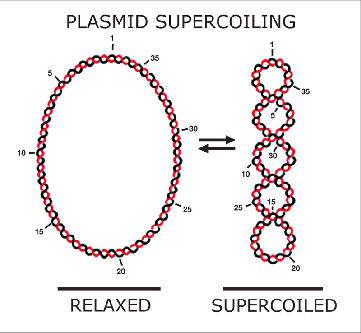
Now, a new study provides direct evidence that biological clocks can influence the activity of a large number of different genes in an ingenious fashion, simply by causing chromosomes to coil more tightly during the day and to relax at night.

Researchers at UCLA, the California NanoSystems Institute, the David Geffen School of Medicine, and the Howard Hughes Medical Institute have modeled the structure of the largest cellular structure ever crystallized, suggesting ways to engineer the particles for drug delivery. The study focuses on newly engineered nanomaterial vaults for use as a drug therapy vehicle.

Vaults are large barrel-shaped particles that are found in the cytoplasm of all mammalian cells, which may function in innate immunity. As naturally-occurring nano-scale capsules, vaults may be useful objects to engineer as therapeutic delivery vehicles. For the study, the team of researchers proposed an atomic structure for the thin outer shell of the vault.

Climate change is the largest environmental change expected this century. It is likely to intensify droughts, storms and floods, which will undoubtedly lead to environmental migrations and potential conflicts in the areas migrated to.

In the aftermath of environmental disasters such as Hurricane Katrina in the US, Rafael Reuveny from Indiana University in the US looks at the role of environmental degradation on population migration, or ‘ecomigration’. He examines its impact on areas receiving migrants and resulting violent conflict in particular. His study has just been published online in Human Ecology.

Embryonic stem cells (ESC) can both self-renew or differentiate into the many cells of the organism and it is crucial to understand the mechanism behind this capability if we want to use them in clinic. Developmental regulator genes are responsible for the activation of many ESC differentiation-pathways and, as such, they are a fundamental key to understand them. And now, research about to be published in Nature Cell Biology, reveals that these genes -always believed to be inactive in ESC before differentiation start - when apparently silent (non-active) are in fact poised, already on the first steps of gene activation only unable to go further due to the presence of repressor molecules.


