






A group of Spanish researchers has made a new proposal for classifying mood swings in the current issue of Psychotherapy and Psychosomatics.

Although there is a great heterogeneity of depressive states in bipolar patients, there is only one definition in international classifications for describing them. However, this variety seems particularly important to recognize because of the possible exacerbation of some of these bipolar depressive states by antidepressants.

The researchers aimed at assessing whether it is possible to distinguish different forms of bipolar depression using a dimensional approach.

People paralyzed as the result of an accident or a serious illness are reliant on the help of others in many situations. In the Brain2Robot project, an international team of researchers has developed a robot control system based on EEG signals, which could in the future help very severely paralyzed patients to regain a certain degree of independence. You are cordially invited to attend a press demonstration of the Brain2Robot system:

Time: 14 November 2007, 12:30–1:30 p.m.

Place: Medica, Düsseldorf Trade Fair Centre, Hall 3, Booth F92 (BMBF)

To control the robot arm, the Brain-Computer Interface (BCI) developed at Fraunhofer FIRST is combined with an eyetracker, which first of all determines the direction in which the arm should move.

Tel Aviv University Professor (and alumnus) Hudi Benayahu, head of TAU's Porter School of Environmental Studies, has found that soft corals, an integral and important part of reef environments, are simply melting and wasting away. And Prof. Benayahu believes this could mean a global marine catastrophe.

Environmental stress, says Benayahu, is damaging the symbiotic relationship between soft corals and the microscopic symbiotic algae living in their tissues. There is no doubt that global warming is to blame, warns the marine biologist, explaining that this symbiotic relationship is key for the survival of most soft corals.


Sinularia, a common soft coral found on reefs.

Human lung-cancer tumors grown in mice have been shown to regress or disappear when treated with a synthetic compound that mimics the action of a naturally occurring “death-promoting” protein found in cells, researchers at UT Southwestern Medical Center report.

The findings suggest that the compound might one day be used in targeted therapies for lung and possibly other cancers, the researchers said.

“We found that certain kinds of lung-cancer cells were sensitive to this compound, which sends a signal to cancer cells to self-destruct,” said Dr. Xiaodong Wang, professor of biochemistry at UT Southwestern and senior author of the study.

An investigation by researchers published in the current issue of Psychotherapy and Psychosomatics indicates the practicing of Zen meditation by psychotherapists matters.

The study aimed to examine whether, and to what extent, promoting mindfulness in psychotherapists in training (PiT) influences the treatment results of their patients.

All therapists direct their attention in some manner during psychotherapy and a special form of directing attention, 'mindfulness', is recommended.

I'm usually a pretty patient guy about marketing. Unlike some, I am not educated by it and, unlike others, I don't look down on it. I know why it it exists and I appreciate its value but at some point in advocacy issues ( in this case the environment ) it invariably crosses a line from being funny to offensive and then it goes completely over the line into being the kind of junk science that needs to be ridiculed.

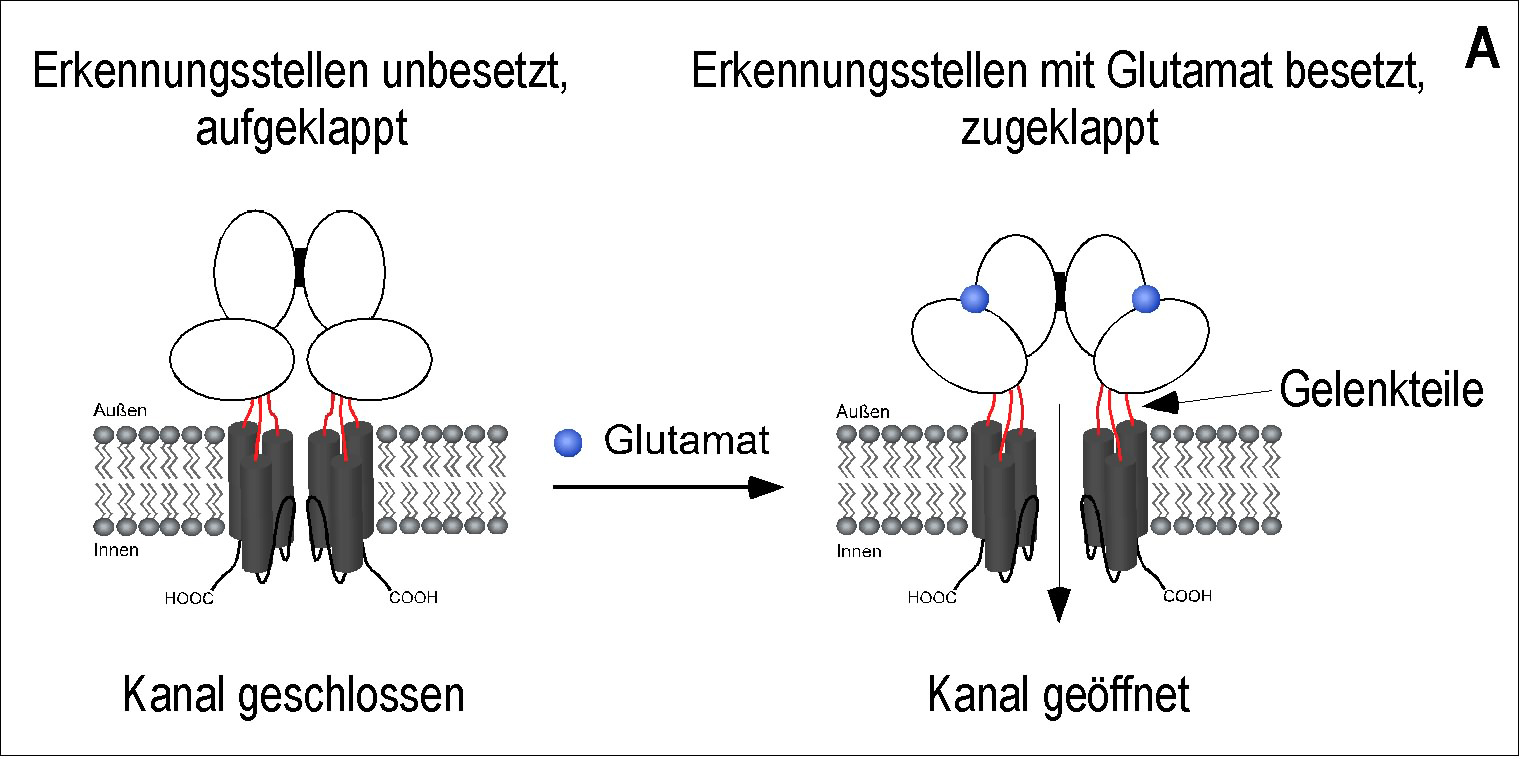
Our brain creates our imagination by switching electric signals within a huge network of approximately 100 billion nerve cells, the individual nerve cells not having direct electric contact to each other, but being separated by a very small gap.

Any signals which are to be transmitted from one cell to the other need to bridge this gap. This is done by the so-called synapses, special points of contact, where signals are transmitted by way of a chemical messenger, the neurotransmitter, , which is discharged by the electrically excited nerve cell. The neurotransmitter then traverses the gap and is recognized by the recipient cell.

In the brain, the most frequently used neurotransmitter will be the amino acid glutamate.

An immune system messenger molecule that normally helps quiet inflammation could be an effective tool against multiple sclerosis (MS). Neurology researchers led by Abdolmohamad Rostami, M.D., Ph.D., professor and chair of the Department of Neurology at Jefferson Medical College of Thomas Jefferson University and the Jefferson Hospital for Neuroscience in Philadelphia, have found that the protein interkeukin-27 (IL-27) helped block the onset or reverse symptoms in animals with an MS-like disease.

The results suggest that IL-27 may someday be part of a therapy to temper over-active immune responses, which are thought to be at the heart of MS, an autoimmune disease (in which the body attacks its own tissue) affecting the central nervous system.

A research team led by scientists at The University of Texas Medical School at Houston has identified a defective gene that affects vascular smooth-muscle cells in people who suffer from hereditary thoracic aortic disease, which can kill victims with little warning in the prime of their lives.

Thoracic aortic disease, specifically thoracic aortic aneurysms leading to aortic dissections, is the 15th leading cause of death in the country, killing up to 20,000 people a year. Actor John Ritter (age 54 years) and “Rent” creator Jonathan Larson (age 35 years) both died from the disease. Cardiac surgeons in the Texas Medical Center – including Michael DeBakey. M.D., and Denton Cooley, M.D. – pioneered the surgical repair of thoracic aortic disease.

The world oceans are by far the largest sink of anthropogenic CO2 on our planet. Until now, they have swallowed almost half of the CO2 emitted through the burning of fossil fuels but scientists are concerned about the ability of the oceans to continue to shoulder this environmental burden as CO2 levels rise.

Current models for the development of the global climate system do not incorporate the reaction of marine organisms nor the processes that they influence.

To investigate the biological processes and their potential changes with time, scientists in a new study made use of an unusual experimental set up in the Raunefjord in Norway.

