The discovery of new biomarkers is important for detecting ovarian cancer, as the disease is difficult to detect in its early stages where it can most easily be treated.
One approach to detecting cancer is to look for extracellular vesicles (EVs), especially small proteins released from the tumor called exosomes. As these proteins are found outside the cancer cell, they can be isolated from body fluids, such as blood, urine, and saliva. However, the use of these biomarkers is hindered by the lack of reliable ones for the detection of ovarian cancer.
One of the things that keeps me busy these days is the organization of a collective publication by a number of experts in artificial intelligence and top researchers in all areas of scientific investigation. I will tell you more of that project at another time, but today I wish to share with you the first draft of a short introduction I wrote for it. I am confident that it will withstand a number of revisions and additions, so by the time we will eventually publish our work, the text will be no doubt quite different from what you get to read here, which makes me comfortable about pre-publishing it.
Everyone knows a 'day' - one rotation of Earth - is around 24 hours long and lengthening at a rate of some 1.7 milliseconds every century. Yet 2 billion years ago it was 19.5 hours and at that rate we should have days lasting 60 hours.
Yet we don't. Instead, the tidal pull of the moon was halted for over a billion years. For that, we can thank the pull of the sun. This tidal stalemate between the sun and moon
has been linked to the atmosphere’s temperature and Earth’s rotational rate.
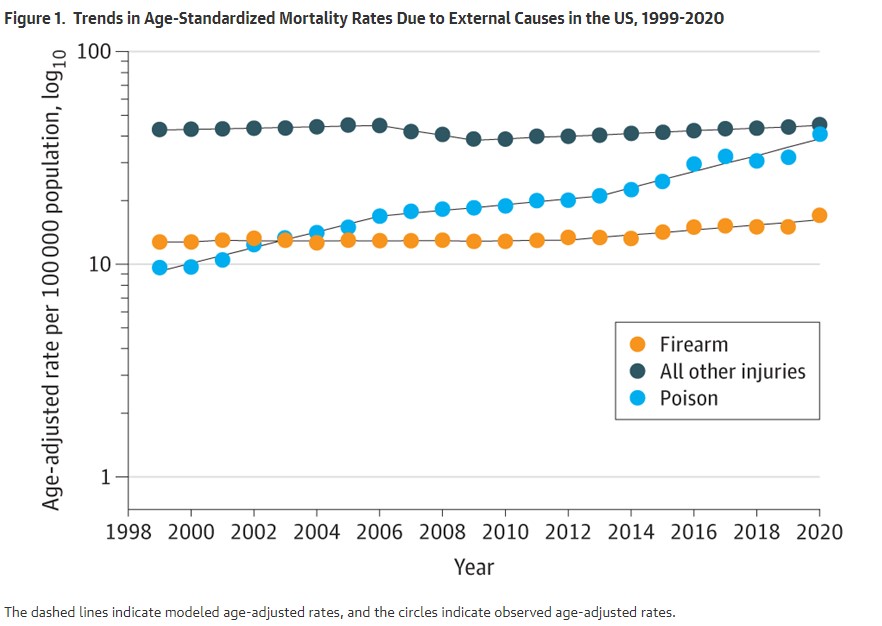
Epidemiologists looked at data from from 1999 to 2020 and noted that death rates due to poisonings, firearms, and all other injuries increased substantially in the U.S., many of them due to suicide attempts.
The demography analysis of 3,813,894 deaths collated by the National Center for Health Statistics due to non-natural causes was simplistic - age, sex, race, ethnicity, and belief about intent, then separating out criminal acts for things like gun deaths and if there was no clear intent of suicide, listing drug overdoses as accidental, while parsing motor vehicle injuries and falls as well.
In 1998, a neuroscientist, Christof Koch,
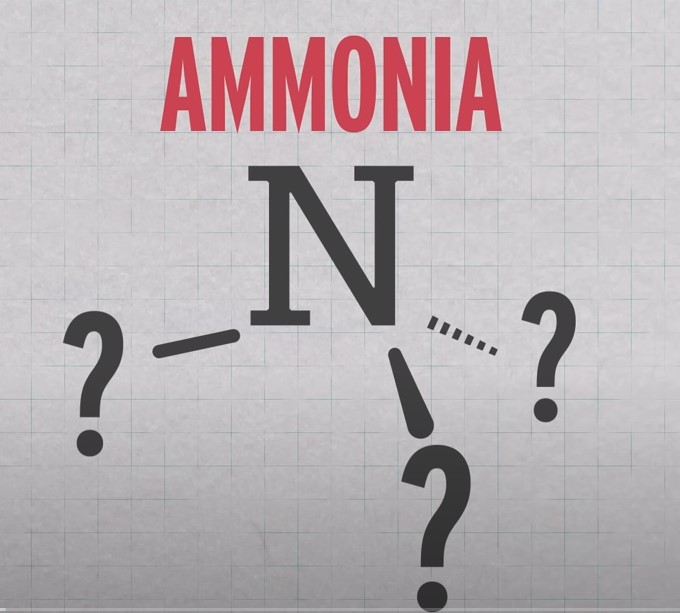
Most of the world relies on a 113-year-old chemical reaction used every day. It is the Haber (or Haber-Bosch) process and while its contribution to energy usage and emissions is negligible compared to its benefits, the private sector is always looking for ways to keep things affordable. That means trying to come up with a fundamentally better way to fix nitrogen than the one invented before The Great War.
After spending thousands of years converging on the perfect beers, this century culture went crazy and overdid hops, tinkered with grains, and generally made niche beers at high cost. Yet there is no question craft beers are big business, a growing segment when balanced lagers are in decline.
Even tech experts have been astonished by the recent, rapid growth of AI technology, able to hold human-like conversations in multiple languages, create music and pass medical exams. While the potential benefits of AI in fields such as healthcare are indeed inspiring, the pace of change is rapid, and there is still lots of uncertainty about the future.
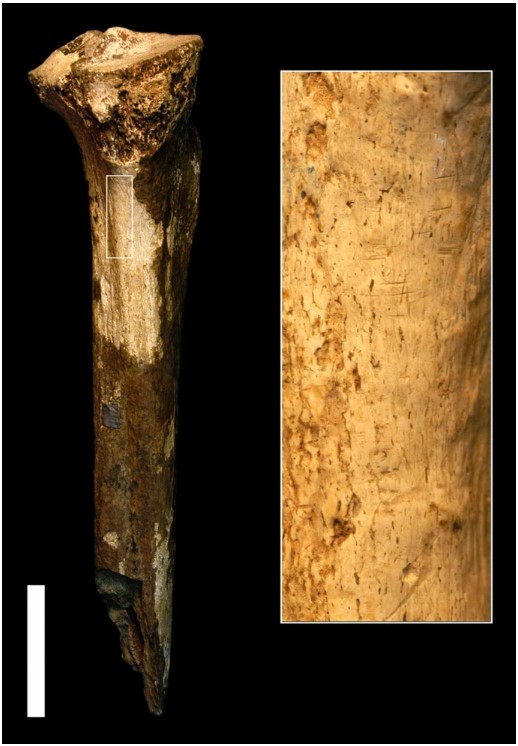
Nearly 3 million years ago, early human ancestors used some of the oldest stone tools ever found
to butcher hippos and pound plant material, and for half that time they were butchering each other -
a new paper says 1.45 million years of killing each other for food.
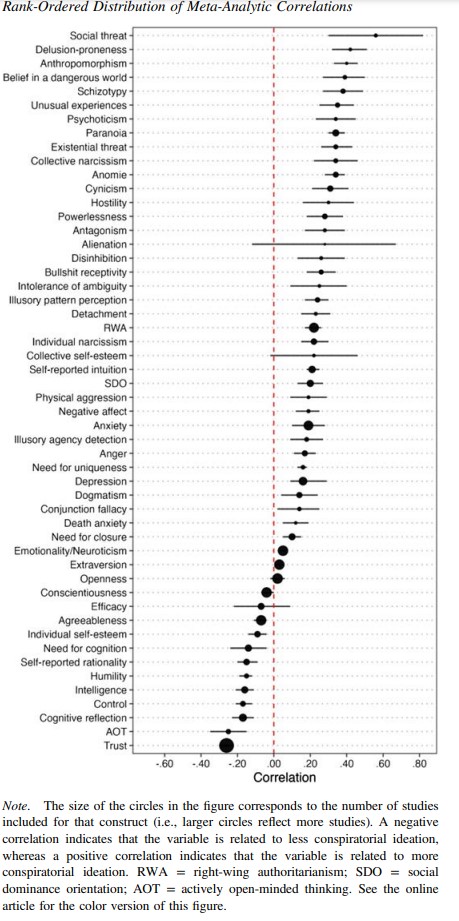
If you believed Monsanto controlled 500,000 biologists who accepted GMOs and weedkillers worldwide while Whole Foods, with more revenue, was standing alone selling organic food that made you healthier, you are a conspiracy theorist.
You're not alone, even if the demographics changed. A few years ago, conspiracy theorist Robert F. Kennedy, Jr. and his claims that cell phones cause cancer and vaccines cause autism were embraced by the crazy fringe of the Democratic Party, like Organic Consumers Association and their puppet attack groups such as US Right To Know and SourceWatch. Now he is embraced by the crazy fringe of the Republican party, who think the COVID-19 vaccine is a Big Pharma effort to control our brains.