Fake Banner
Theory Of Mind Is Wrong About Autistic People

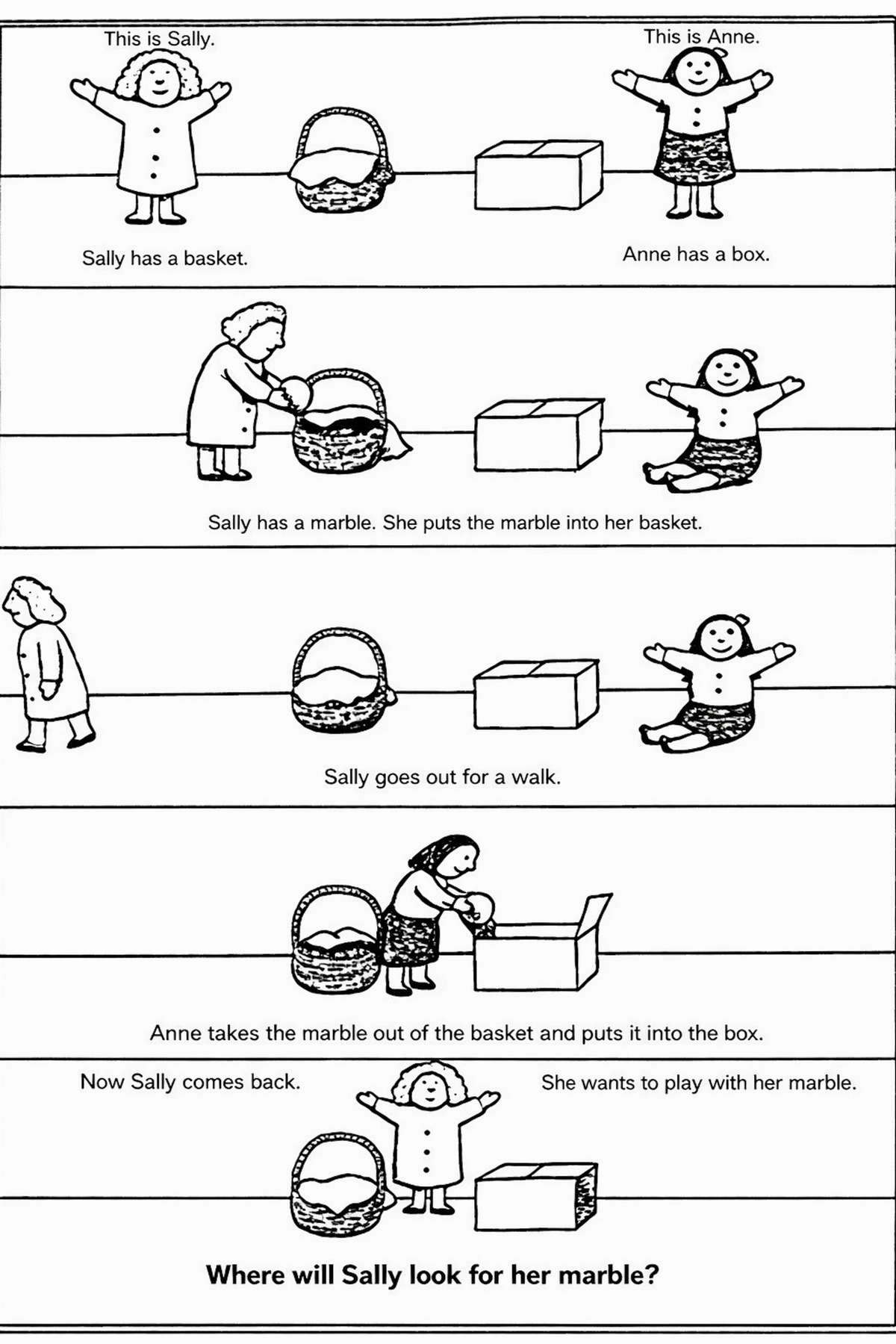
For four decades, a controversial idea has shaped how autism is understood by researchers, healthcare...
Bacteroides Fragilis May Be A Fifth Columnist Helping Colon Cancer In Your Body

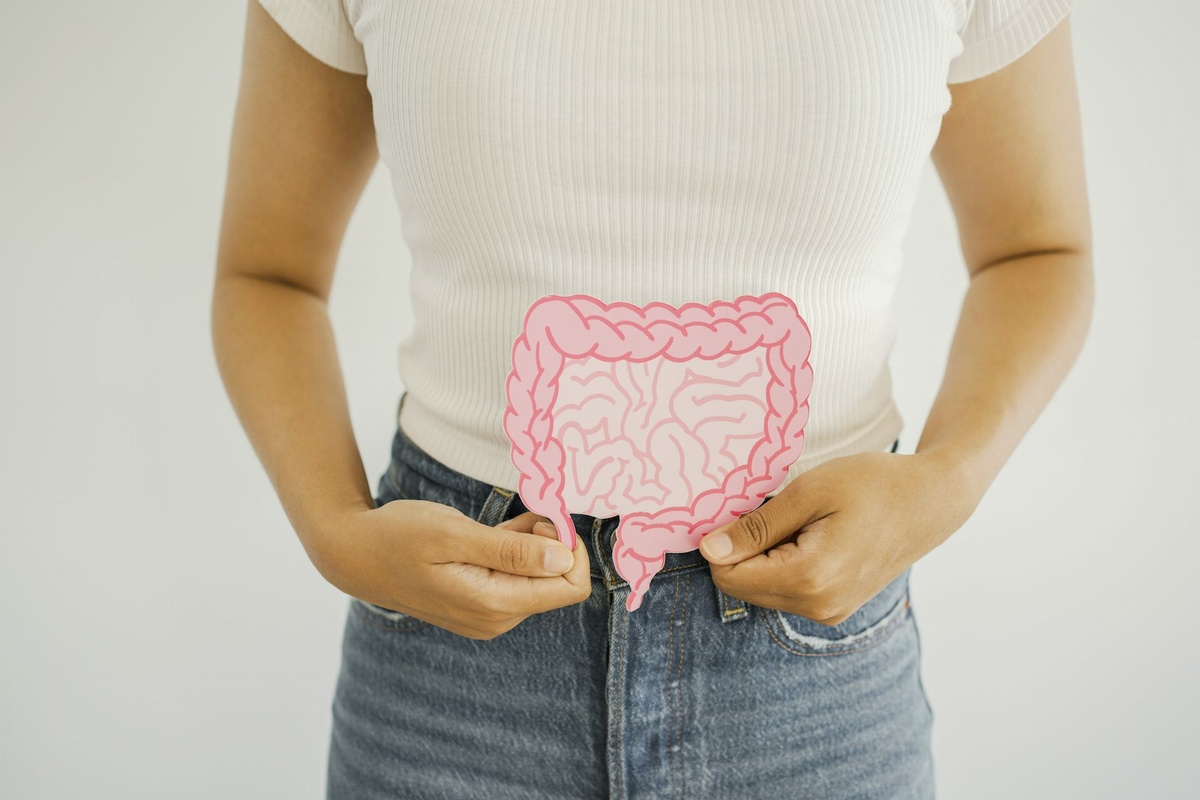
The gut bacterium Bacteroides fragilis has long presented researchers with a paradox. It has been...
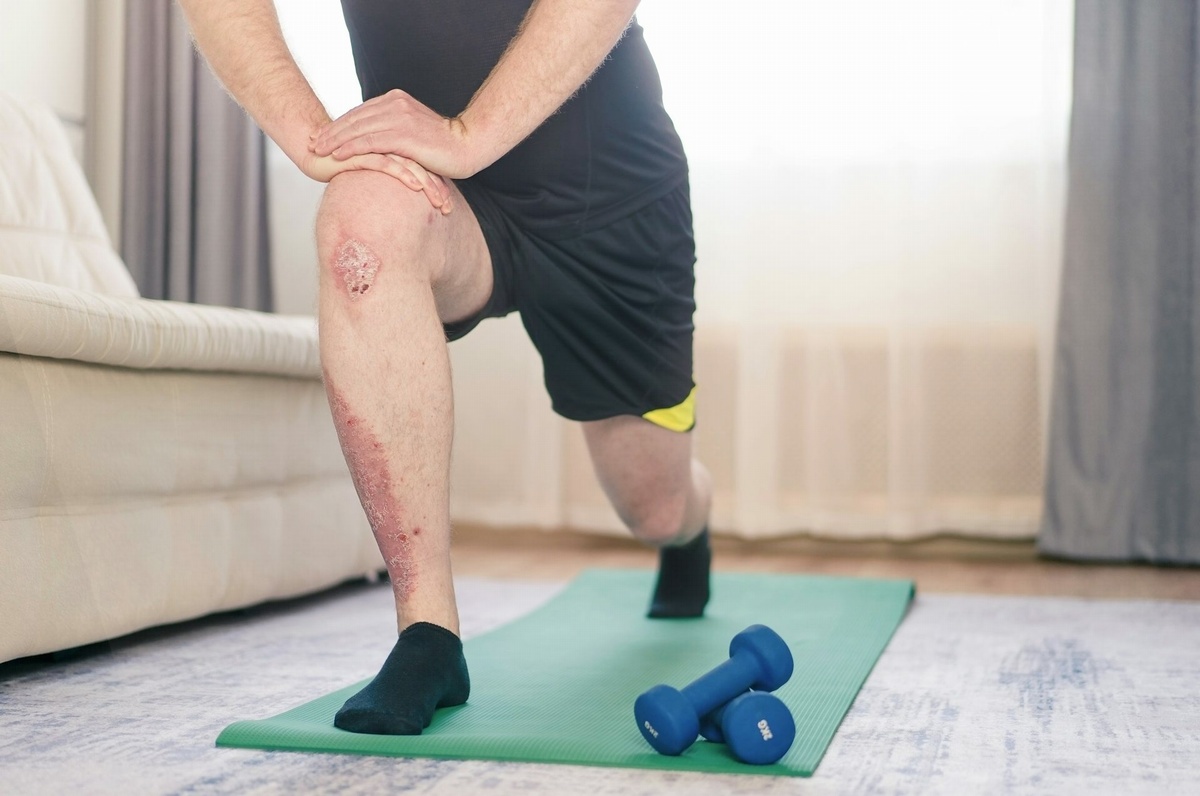
Losing Weight Improves The Heartbreak Of Psoriasis For Some

For many people living with psoriasis, the red, scaly skin patches are only part of the story....

Healthcare In Space - The First Medical Evacuation From The ISS

For the first time in 25 years of continuous crewed operations, an astronaut has been medically...

User picture.
The ConversationRSS Feed of this column.

The Conversation is an independent source of news and views, funded by the academic and research community and delivered direct to the public. The Conversation launched in Australia in March 2011.... Read More »

Blogroll

Studies that deliberately exclude older adults from their samples render older adults' sexuality invisible. shutterstock

By Sue Malta, University of Melbourne


Want more working memory? Then you need to expand your brain. Credit: Flickr/Elena Gatti, CC BY

By Joel Pearson

Before we had mobile phones, people had to use their own memory to store long phone numbers (or write them down). But getting those numbers into long-term memory could be a real pain.

By Amanda Salis, University of Sydney

Dietary guidelines broadly recommend a daily intake of 10,000 kilojoules (2,400 calories) for men and 8,000 kilojoules (1,900 calories) for women. But what do these figures mean in the context of the number of kilojoules or calories you personally need to consume to attain and maintain a healthy body weight?

I’m going to stick with kilojoules in this article because kilojoules – not calories – are the metric unit for measuring energy, just as kilograms – not pounds – are the metric unit for measuring body weight.

By Katy Bell, University of Sydney; Alexandra Barratt, University of Sydney, and Andrew Hayen, UNSW Australia

Cancer screening is beneficial when it’s able to prevent people dying from cancer. And it should clearly be adopted where there’s evidence showing this. But using cancer survival rates to promote screening, as is often done, is misleading.

Women are playing an increasing role in science today but there are still barriers that can prevent them from achieving success comparable to their male colleagues.

This feeds the argument that there is a gender pay gap in earnings in science, although that doesn’t tell the full story of the challenges facing women scientists.

The Institute of Public Affairs senior researcher Mikayla Novak took the opportunity on International Women’s Day to exhort us to “avoid sensationalist, but misleading average pay gap statistics”, and instead focus on individual choices.

She argued that:


Not many people would know the peculiar vocabulary used to evaluate scientists.

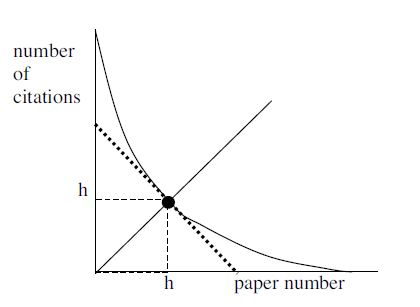
H index’, ‘impact factor’ and ‘citation number’ are some of the snazzy phrases that are now ubiquitous in the world of science. Not all scientific papers are born equal - some are ground-breaking, while most are an incremental advance – and these scales have been developed to help determine the ‘impact’ of the scientific articles that are published.