Fake Banner
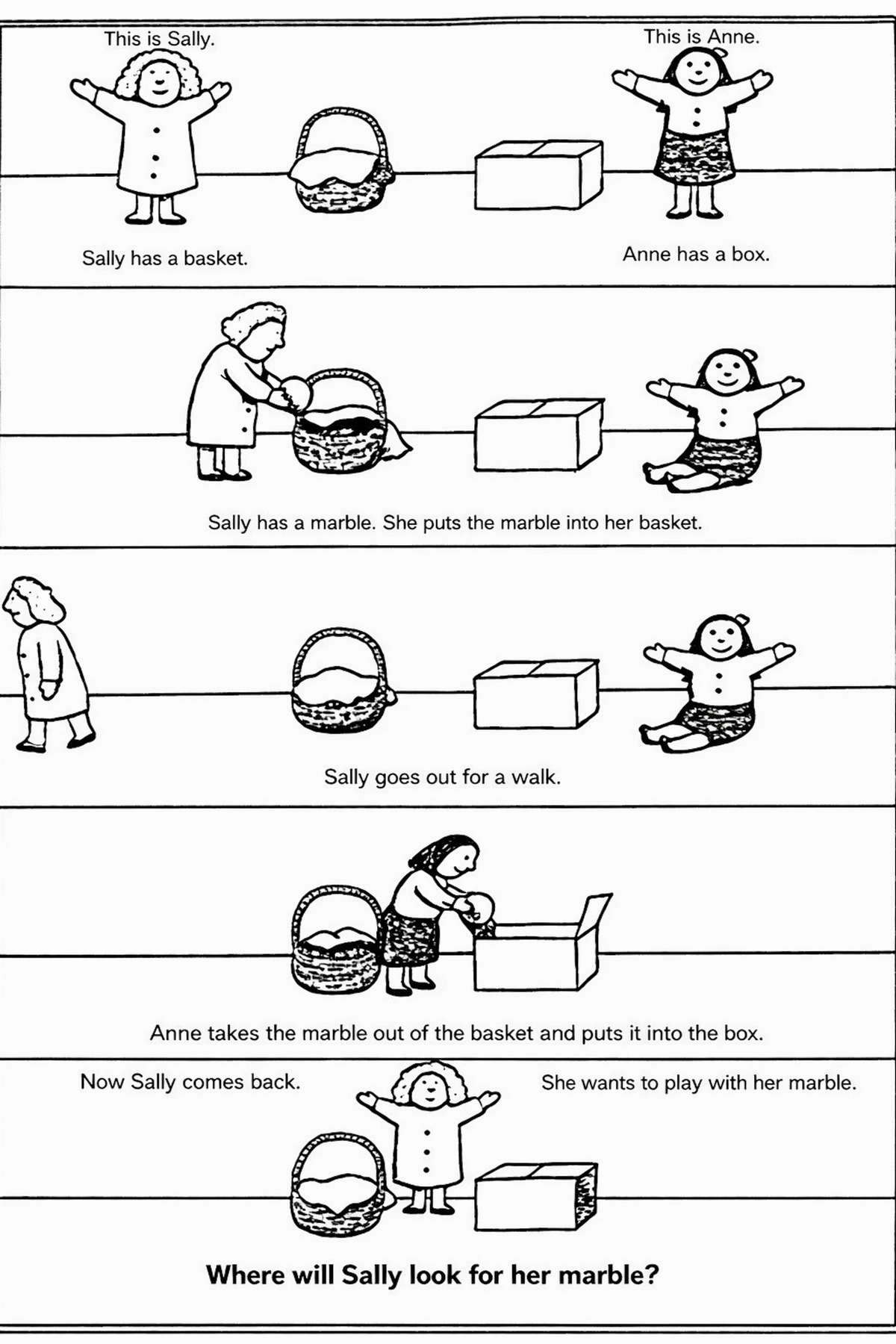
Theory Of Mind Is Wrong About Autistic People

For four decades, a controversial idea has shaped how autism is understood by researchers, healthcare...

Bacteroides Fragilis May Be A Fifth Columnist Helping Colon Cancer In Your Body

The gut bacterium Bacteroides fragilis has long presented researchers with a paradox. It has been...
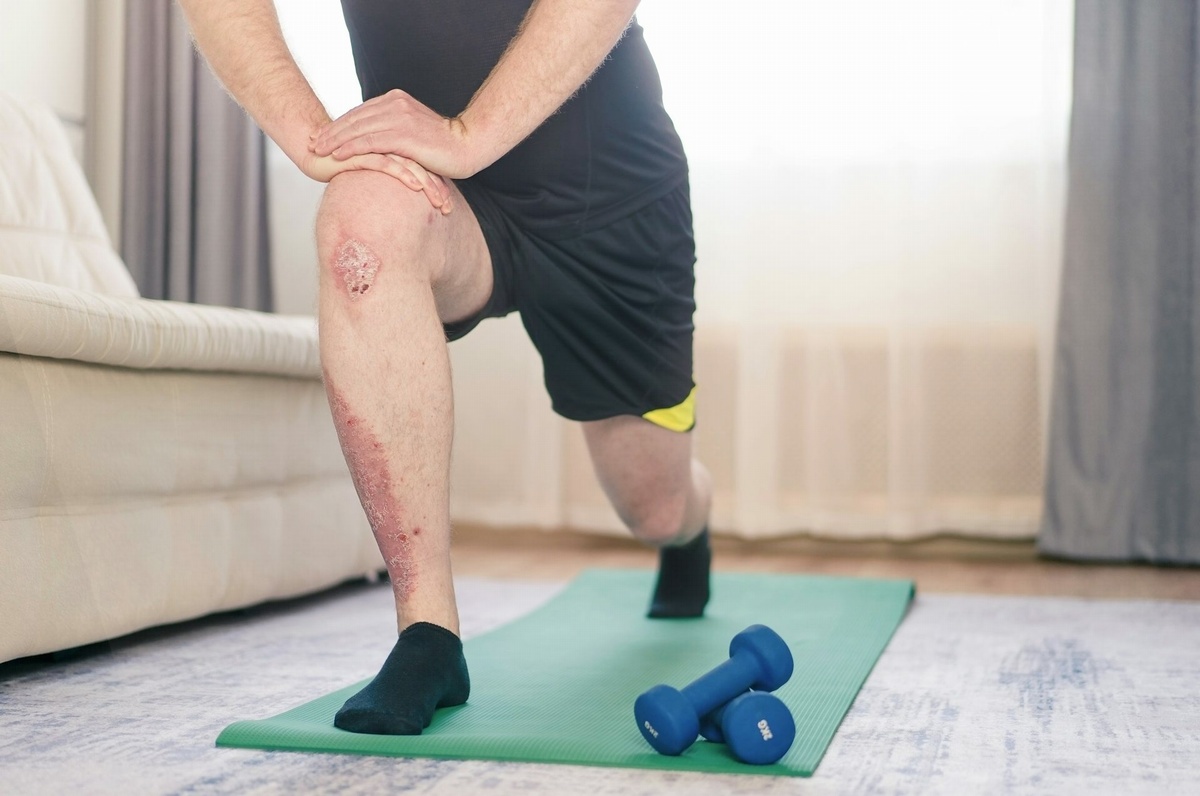
Losing Weight Improves The Heartbreak Of Psoriasis For Some

For many people living with psoriasis, the red, scaly skin patches are only part of the story....
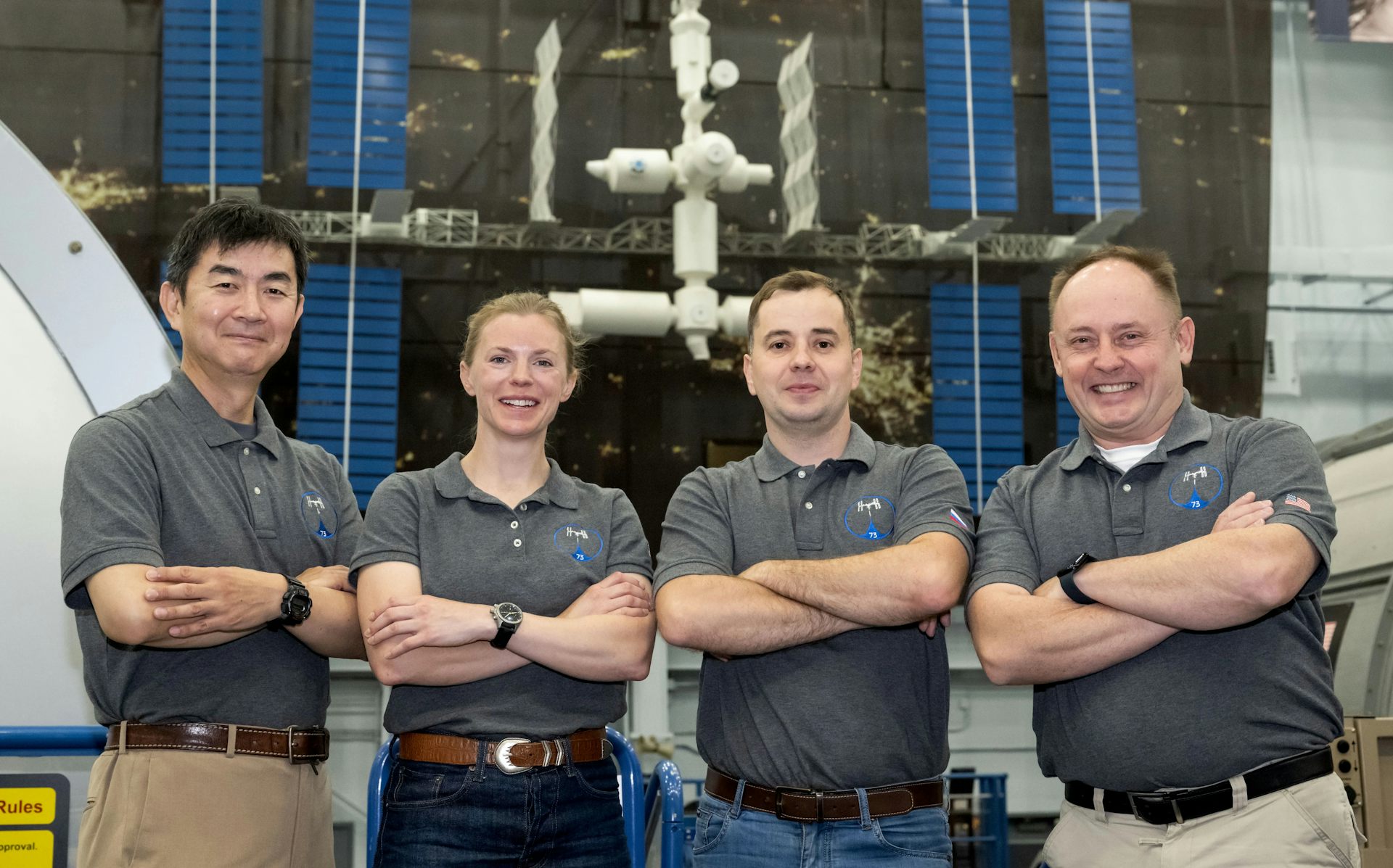
Healthcare In Space - The First Medical Evacuation From The ISS

For the first time in 25 years of continuous crewed operations, an astronaut has been medically...

User picture.
The ConversationRSS Feed of this column.

The Conversation is an independent source of news and views, funded by the academic and research community and delivered direct to the public. The Conversation launched in Australia in March 2011.... Read More »

Blogroll

Forget the Turing and Lovelace tests on artificial intelligence: I want to see a robot pass the Frampton Test.

Let me explain why rock legend Peter Frampton enters the debate on AI.

For many centuries, much thought was given to what distinguishes humans from animals. These days thoughts turn to what distinguishes humans from machines.

As we approach the August bank holiday and a three-day weekend, it is worth reassessing the amount of time we devote to work. What if all weekends could last for three or even four days? What if the majority of the week could be given over to activities other than work? What if most of our time could be devoted to non-work activities of our own choosing?

To even pose these questions is to invite the criticism of Utopian thinking. While a fine idea in principle, working fewer hours is not feasible in practice. Indeed, its achievement would come at the expense of lower consumption and increased economic hardship.

Australian guidelines for the ethical use of IVF allow selecting a child’s sex for medical reasons. But draft guidelines that are now open for public submissions raise the possibility of extending this and allowing the choice for social reasons.

As part of a periodic review, the National Health and Medical Research Council (NHMRC) is calling for public submissions on its draft guidelines on the use of assisted reproductive technology in clinical practice and research. This, in lay terms, is the practice of in vitro fertilisation (IVF).

Producing guidelines to advise the community on ethical issues relating to health is one of the NHMRC’s many tasks. Revisions aim to reflect changes in technology and social attitudes and are based on advice from the Australian Health Ethics Committee (AHEC), which I chair.

Despite the glitz and glory of Usain Bolt’s comeback victories and Jessica Ennis-Hill’s heptathlon triumph at the World Championships, 2015 is shaping up as quite the annus horribilis for athletics.

Ongoing developments in stem cell science mean that researchers often have no idea how, one year down the line, they will use specimens of human biological material.


But when a scientist takes a swab of your saliva, a sample of your blood or a piece of your skin to research a particular disease, how do you know that it’s going to be used for the intended purpose? And when it is used for research in a different condition, can you take any action? This is where informed consent comes in.