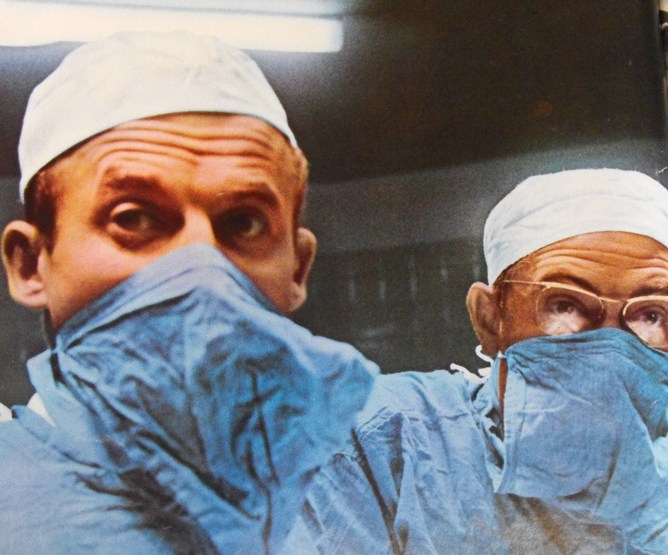
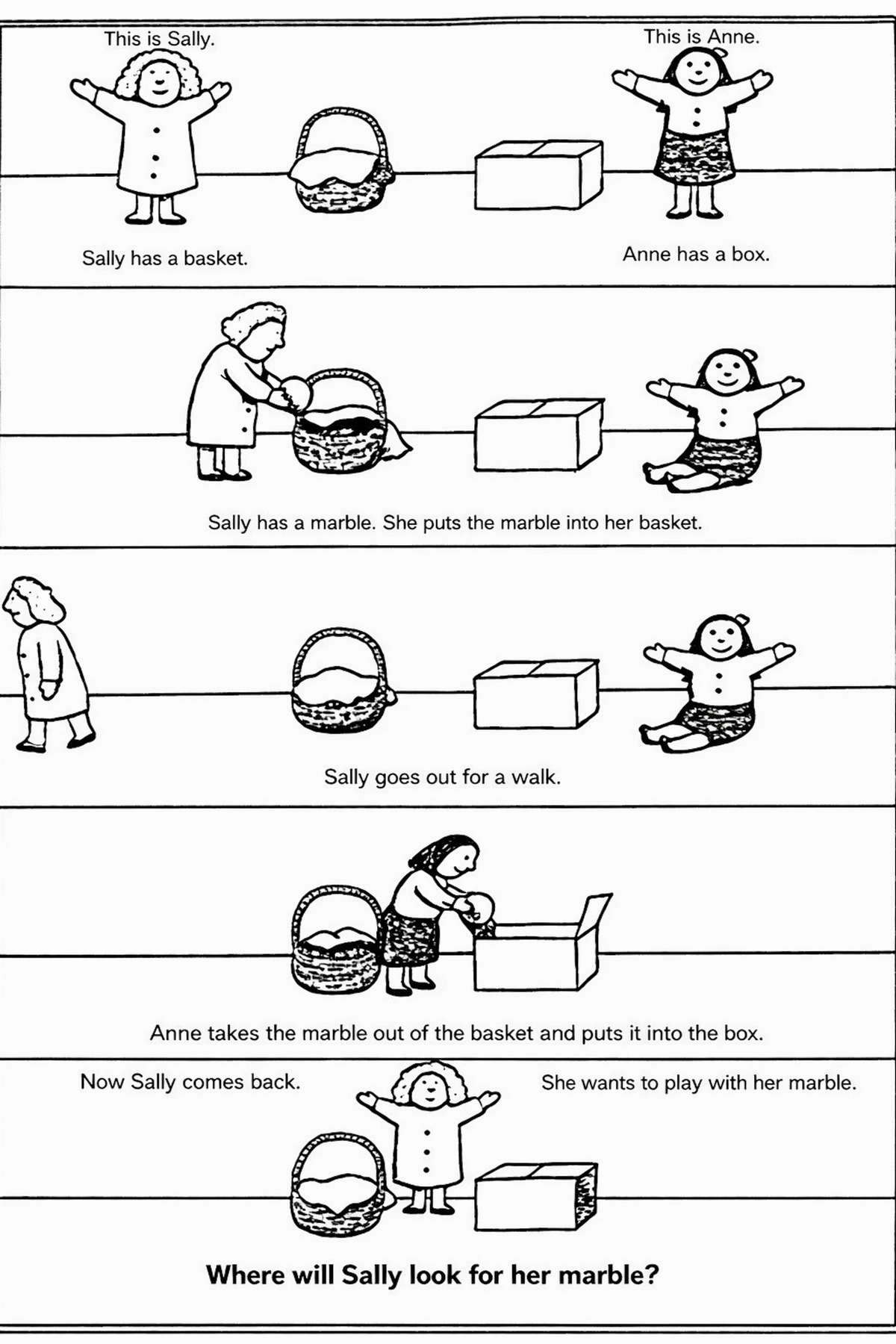
 Theory Of Mind Is Wrong About Autistic People
For four decades, a controversial idea has shaped how autism is understood by researchers, healthcare...
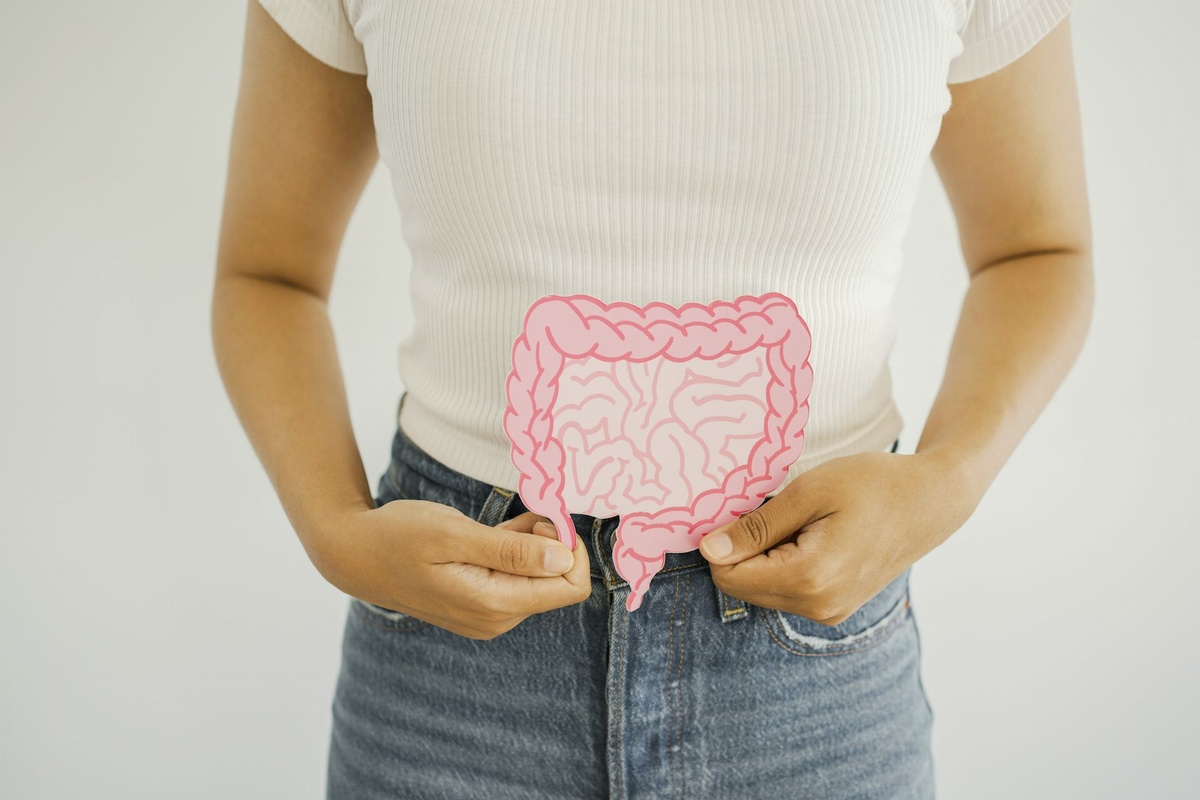 Bacteroides Fragilis May Be A Fifth Columnist Helping Colon Cancer In Your Body
The gut bacterium Bacteroides fragilis has long presented researchers with a paradox. It has been...
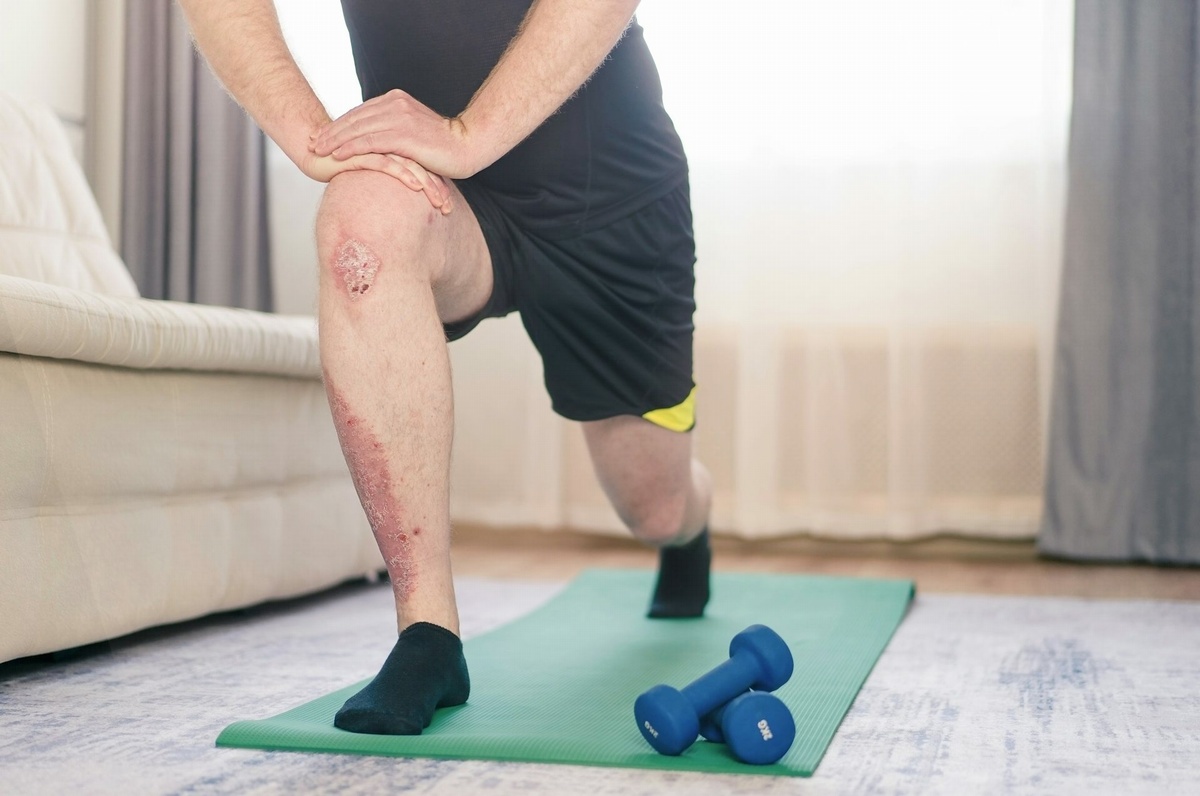 Losing Weight Improves The Heartbreak Of Psoriasis For Some
For many people living with psoriasis, the red, scaly skin patches are only part of the story....
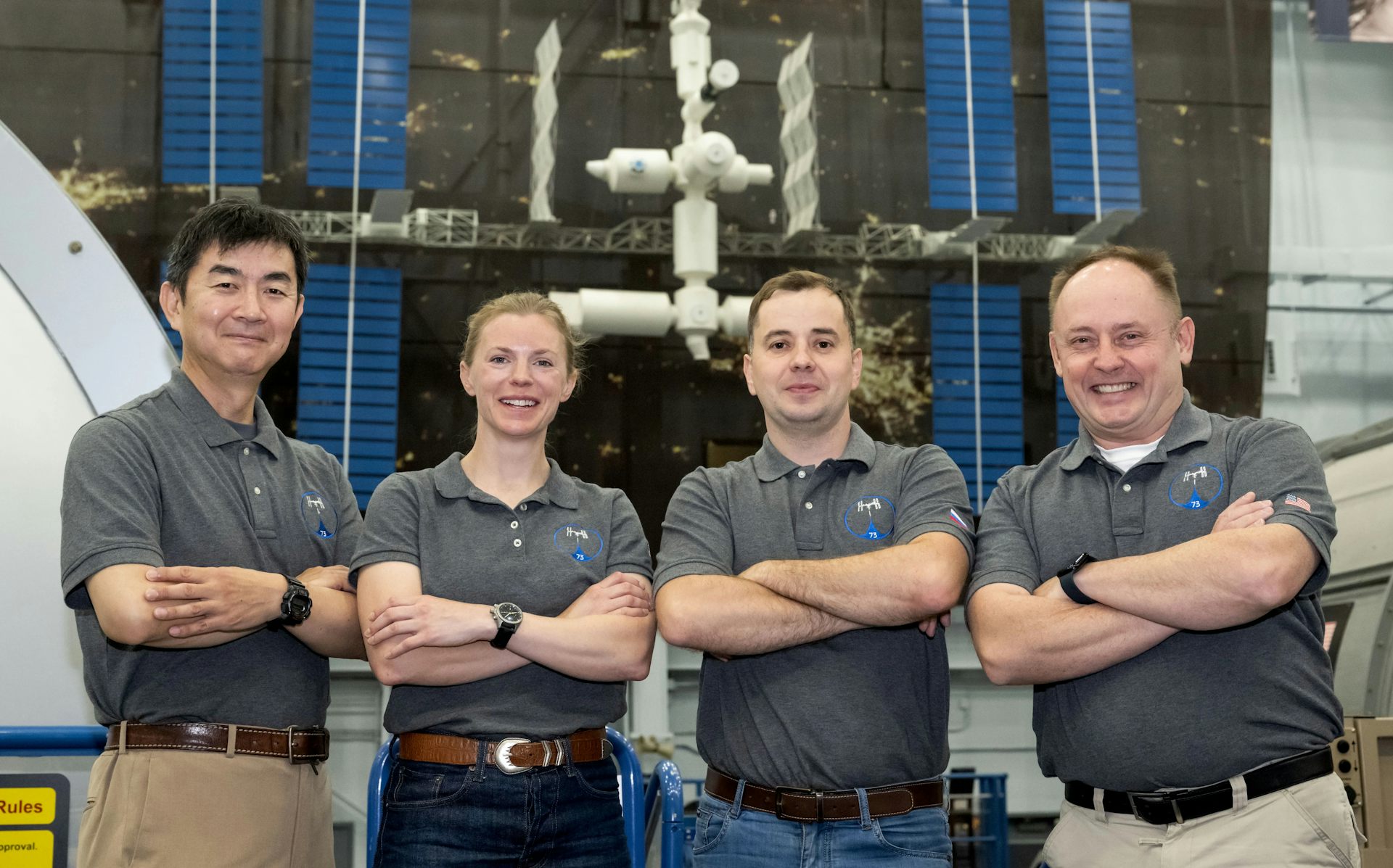 Healthcare In Space - The First Medical Evacuation From The ISS
For the first time in 25 years of continuous crewed operations, an astronaut has been medically...

|
The Conversation The Conversation is an independent source of news and views, funded by the academic and research community and delivered direct to the public. The Conversation launched in Australia in March 2011.... Read More » |
Blogroll |

 Individually, we use thousands of chemicals in our households and very few of us think about whether they are harming the environment. We often think about buying a “green” detergent to wash our clothes, but the simple act of shampooing and conditioning our hair, even with green products, results in more than 30 chemicals being washed into our sewers.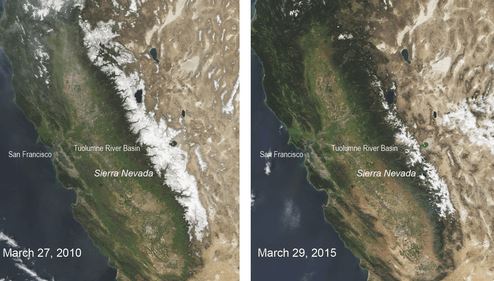
 In the Mediterranean climate of California, with its warm, wet winters and hot, dry summers, the snowpack in the Sierra Nevada mountains plays a critical role. It serves as a natural water storage system that feeds waterways and reservoirs during the dry summer months.
 It was a humid, sticky 32°C when I made a quick trip to the grocery store in shorts and a tank top earlier this week. Despite the heat, however, the store clearly wanted me to think it was the fall season – and for us Americans, that means pumpkin spice.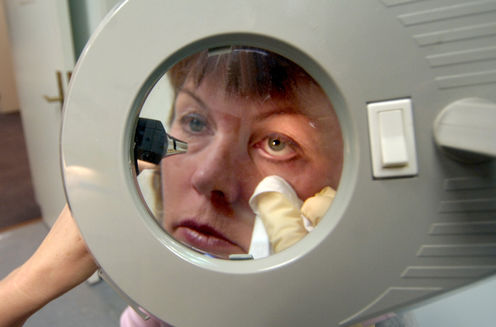
 Scientists have discovered that the high pressure in the eye that occurs with most common forms of glaucoma can trigger two genes that work together to cause vision loss, a finding that may help pave the way for new glaucoma drugs.