Fake Banner
The Enceladus Idea In The Search For Life Out There

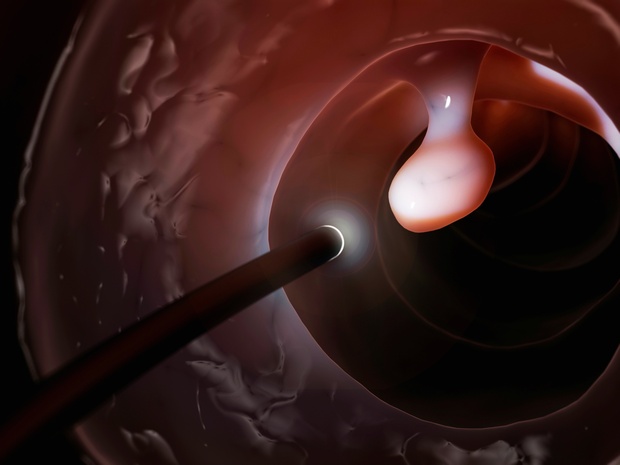
A small, icy moon of Saturn called Enceladus is one of the prime targets in the search for life...

Deontological Decisions: Your Mother Tongue Never Leaves You

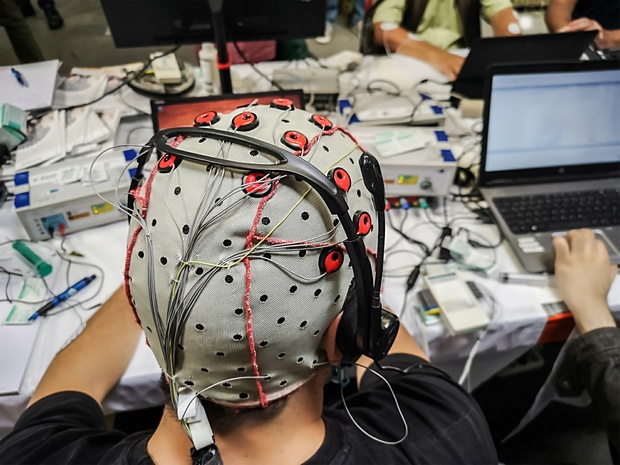
Ιf you asked a multilingual friend which language they find more emotional, the answer would usually...

Mummy Mia! Medicinal Cannibalism Was More Recent Than You Think

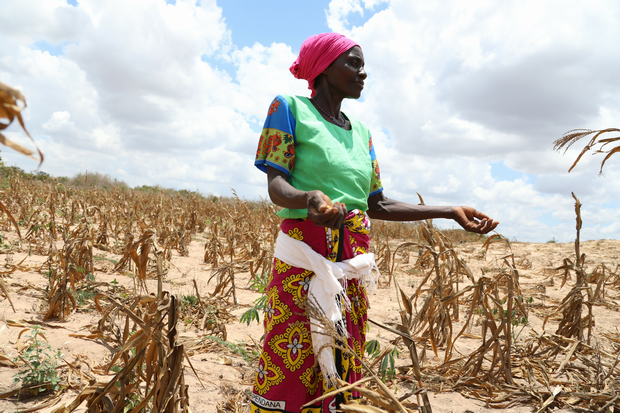
Why did people think cannibalism was good for their health? The answer offers a glimpse into the...

Inflammatory Bowel Disease May Accelerate Dementia

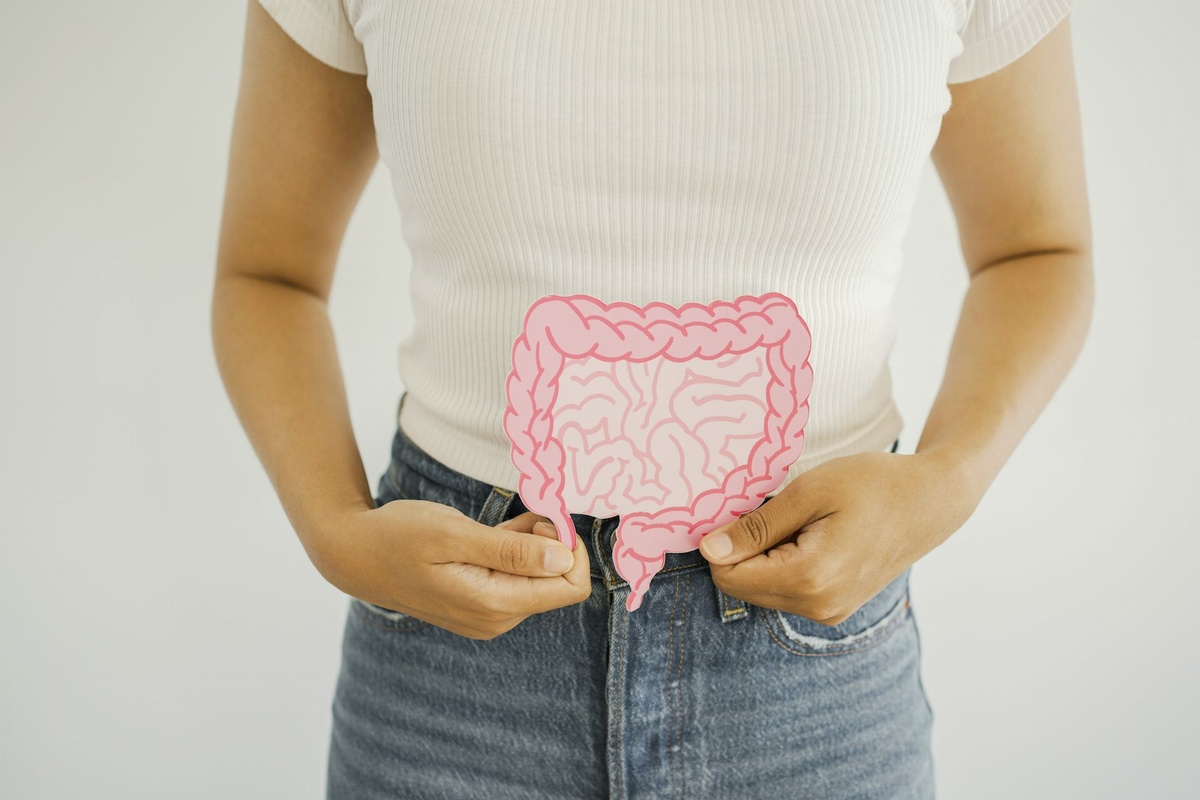
You have probably heard the phrase “follow your gut” – often used to mean trusting your instinct...

User picture.
The ConversationRSS Feed of this column.

The Conversation is an independent source of news and views, funded by the academic and research community and delivered direct to the public. The Conversation launched in Australia in March 2011.... Read More »

Blogroll

Many of us enjoy a drink at the end of a stressful day. But for some, this is less of a discretionary treat and more of a nightly must-have.

While alcohol reduction campaigns ask us to check our relationship with alcohol, emphasising the role it can play in causing violence and disease, our research has found many Australian women view alcohol in a different way. Many don’t see alcohol as only a bad thing and have complex reasons for their relationships with alcohol.

We conducted 50 interviews with midlife women (45–64 years of age) from different social classes living in South Australia. All women had a relationship with alcohol but the nature of the relationship was really different according to their social class.

A launch window – the period during which a rocket must be launched to reach its destination – opens on August 29 for the first flight to the Moon since 1972 by a spacecraft designed to carry humans there. If all goes well, the Artemis project will be on track to meet its goal of putting humans back on the Moon in 2025.

In March 2020, a few days before lockdown was introduced, the UK government launched the Coronavirus Job Retention Scheme, widely referred to as “furlough”. This scheme provided employees who were unable to work due to the pandemic with 80% of their pay (capped at £2,500 per month).

During the pandemic we have all become familiar with a lot of epidemiological concepts.

One that was introduced to us early in 2020 is the “basic reproductive number”, or R0. This tells us about the intrinsic contagiousness of a virus, or its inherent capacity to be spread from one person to another in a particular population.

We also learned about the “effective reproductive number”, or Reff. This tells us about the rate at which a virus is actually spreading through that population.

With the emergence of BA.4/5, there has been some confusion around how these concepts help us to understand why one variant spreads faster than another.

The omicron subvariant known as BA.5 was first detected in South Africa in February 2022 and spread rapidly throughout the world. As of the second week of July 2022, BA.5 constituted nearly 80% of COVID-19 variants in the United States.

We often think of babies as blank canvases with little ability to learn during the first few weeks of life. But babies actually start processing language and speech incredibly early. Even while in the womb, they learn to discern voices, along with some speech sounds. At birth, they already prefer speech sounds over other types of non-language sounds.

But exactly how the baby brain learns to process complex language sounds is still a bit of a mystery. In our recent study, published in Nature Human Behaviour, we uncovered details of this mindbogglingly speedy learning process – starting in the first few hours of birth.