Fake Banner
Deontological Decisions: Your Mother Tongue Never Leaves You

Ιf you asked a multilingual friend which language they find more emotional, the answer would usually...

Mummy Mia! Medicinal Cannibalism Was More Recent Than You Think

Why did people think cannibalism was good for their health? The answer offers a glimpse into the...

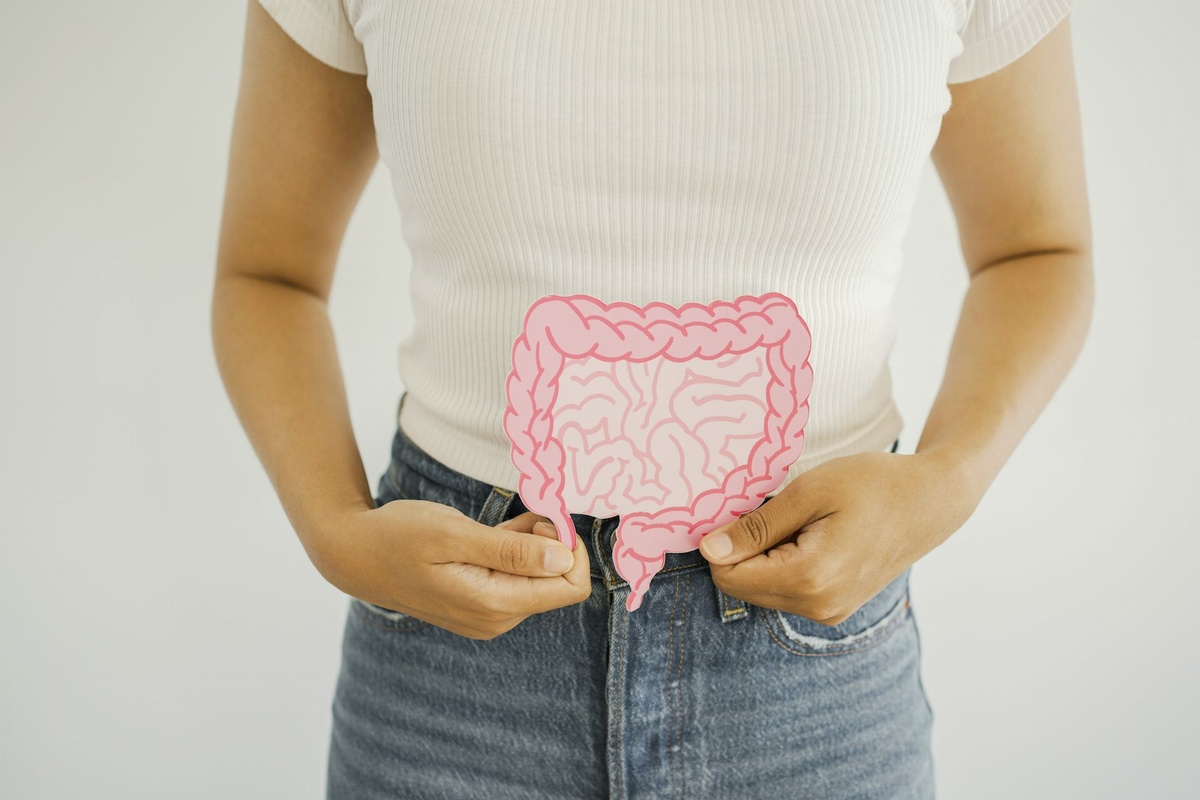
Inflammatory Bowel Disease May Accelerate Dementia

You have probably heard the phrase “follow your gut” – often used to mean trusting your instinct...

RFK Jr Is Wrong About MRNA Vaccines - They Make COVID-19 Less Deadly

US health secretary Robert F. Kennedy Jr has announced he is cancelling US$500 million (£374 million)...

User picture.
The ConversationRSS Feed of this column.

The Conversation is an independent source of news and views, funded by the academic and research community and delivered direct to the public. The Conversation launched in Australia in March 2011.... Read More »

Blogroll

Thankfully, most people who get COVID–19 don’t become seriously ill – especially those who are vaccinated. But a small fraction do get hospitalized, and a smaller fraction do die. If you are vaccinated and catch the coronavirus, what are your chances of getting hospitalized or dying?

As an epidemiologist, I have been asked to respond to this question in one form or another throughout the pandemic. This is a very reasonable question to ask, but a challenging one to answer.

For more than a century, journalism education prepared young people for the role of full-time professionals employed by sizeable news organisations. But the advertising-based business model that sustained journalism is collapsing because of new technology, and jobs of the old kind are becoming scarce. The educational model, too, must change to accommodate the new realities.

Eighteenth-century socialites have been depicted as vain, silly women who were poisoned by their white lead makeup. The Countess of Coventry, Maria Gunning — a society hostess renowned for her beauty — is said to have refused to stop wearing foundation containing white lead, even as she lay dying. Why would women of that era knowingly choose to wear makeup that was killing them? Was beauty worth dying for? Or was the makeup not to blame?

Was Charles Darwin a one-hit wonder? According to scientists who take a gene’s-eye view of evolution, the 19th-century English naturalist contributed one crucial idea to understanding how species change: natural selection, or “design without a designer”.

However, a book of Darwin’s that is little read by modern evolutionists – The Expression of the Emotions in Man and Animals – turns out to contain valuable lessons for scientists seeking to understand how and why humans do what we do.

The rise of the omicron variant has caused havoc around the world, just as the emergence of the delta and alpha variants did before. A pattern has emerged, with the world scrambling to respond to a new form of the coronavirus every six or so months. How can we reduce the risk of new variants appearing again and again?

Firstly, let’s consider how they emerge. A virus reproduces by making copies of itself. Every time it replicates, there’s a tiny chance that an error occurs in the copying of the virus’s genetic sequence.

Check out your birth certificate and surely you’ll see a designation for sex. When you were born, a doctor or clinician assigned you the “male” or “female” label based on a look at your genitalia. In the U.S., this has been standard practice for more than a century.

But sex designation is not as simple as a glance and then a check of one box or another. Instead, the overwhelming evidence shows that sex is not binary. To put it another way, the terms “male” and “female” don’t fully capture the complex biological, anatomical and chromosomal variations that occur in the human body.