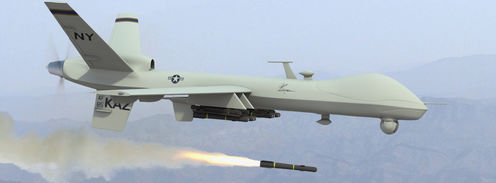
 The future of lethal autonomous weapon systems (LAWS) – often referred to in the popular press as “killer robots” – remains uncertain following a week-long meeting in Geneva to discuss their legality.

 Those "Diary Of A Wimpy Kid" books are not "The Good Earth", they are not going to win Pulitzer Prizes, but they are a lot better for kids in the summer than staying glued to YouTube videos. And for most kids, that is going to be the choice. Rather than sending home a reading list (poor schools) or stacks of books (rich schools) in the hopes of combating the the literacy loss experienced during the summer break, a new study finds that letting kids choose the books is better.
 With almost the same number of soldiers as the Australian and New Zealand Army Corps (ANZAC) – 79,000 – and similar death rates – close to 10,000 – French participation in the Gallipoli campaign could not occupy a more different place in national memory.
Know Science And Want To Write?
Apply for a column: writing@science20.com
Donate or Buy SWAG
Please donate so science experts can write
for the public.
At Science 2.0, scientists are the journalists,
with no political bias or editorial control. We
can't do it alone so please make a difference.
We are a nonprofit science journalism
group operating under Section 501(c)(3)
of the Internal Revenue Code that's
educated over 300 million people.
You can help with a tax-deductible
donation today and 100 percent of your
gift will go toward our programs,
no salaries or offices.

Interesting insights from outside Science 2.0