Banner
Here's Where Your Backyard Was 300 Million Years Ago

We may use terms like "grounded" and terra firma to mean stability and consistency but geology...

Convergent Evolution Cheat Sheet Now 120 Million Years Old

One tenet of natural selection is a random walk of genes but nature may be more predictable than...

Synchrotron Could Shed Light On Exotic Dark Photons

There are many hypothetical particles proposed to explain dark matter and one idea to explore how...

The Pain Scale Is Broken But This May Fix It

Chronic pain is reported by over 20 percent of the global population but there is no scientific...

User picture.
News StaffRSS Feed of this column.

News Releases From All Over The World, Right To You... Read More »

Blogroll
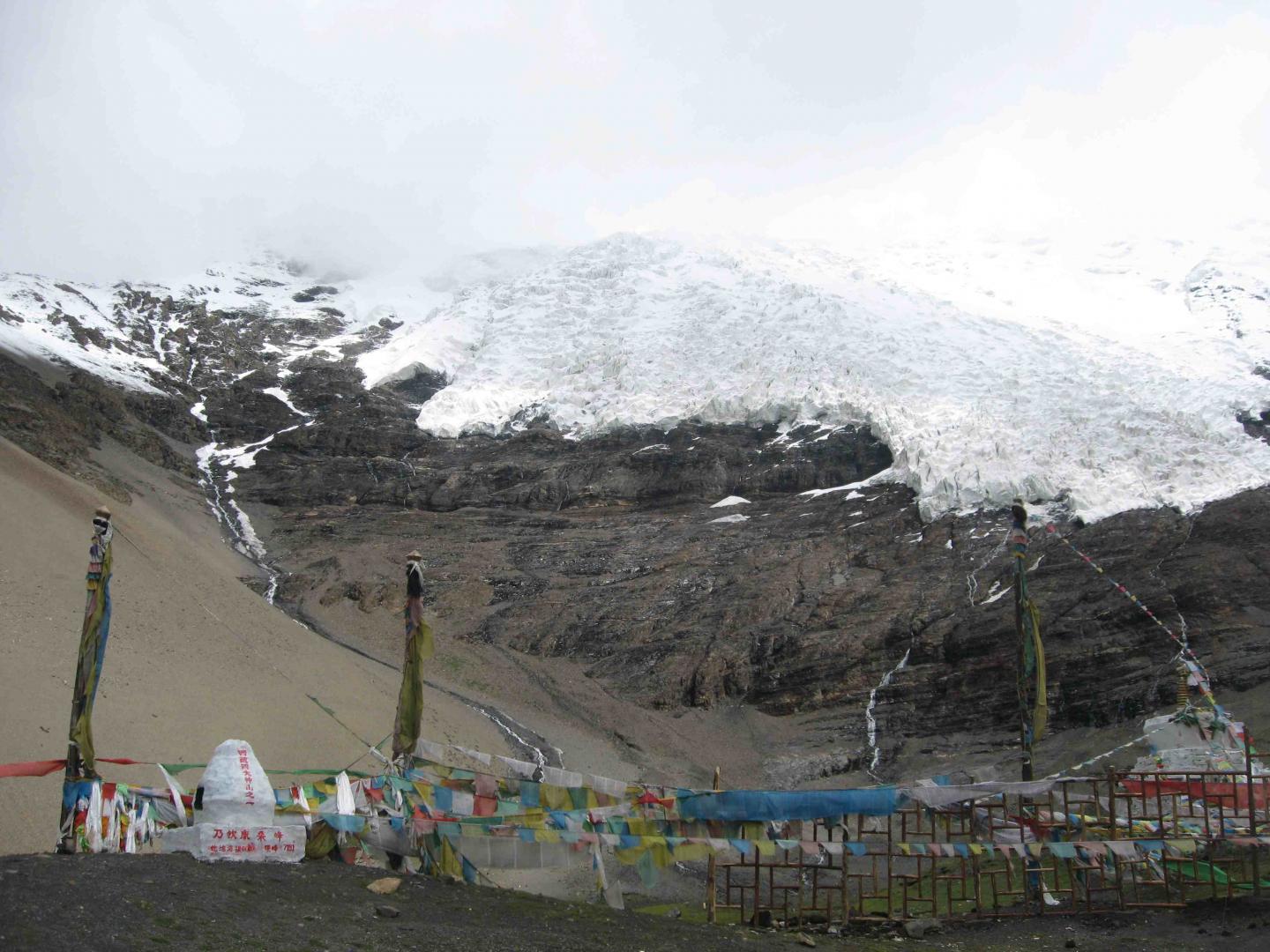
As the Earth warms and glaciers all over the world begin to melt, the natural concern has been how all of that extra water will contribute to sea level rise.

Less considered is what happens to all of the organic carbon found in those glaciers when they melt. A new paper estimates what could happen if major ice sheets break down.

Glaciers and ice sheets contain about 70 percent of the Earth's freshwater and ongoing melting is a major contributor to sea level rise. But, glaciers also store organic carbon derived from both primary production on the glaciers and deposition of materials such as soot or other fossil fuel combustion byproducts.  


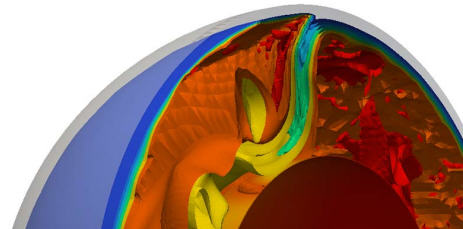
From the beginning of time, uranium has been part of the Earth and, thanks to its long-lived radioactivity, it has proven ideal to date geological processes and figuring out Earth’s evolution. 

Natural uranium consists of two long-lived isotopes uranium-238 and the lighter uranium-235 and  uranium isotopes leave a distinct ‘fingerprint’ in the sources of volcanic rocks, making it possible to gauge their age and origin.   

Researchers have identified hyaluronon (HA) as a critical substance made by the body that protects against premature births caused by infection. Pre-term birth from infection is the leading cause of infant mortality in many countries according to the World Health Organization.

The findings of the study, recently published in the Journal of Clinical Investigation, are the first to identify the specific role that HA plays in the reproductive tract.

Wine, medicine and movies are two great examples of how the naturalistic fallacy - the old ways are better - retain a vice-like grip on aspects of culture.  The naturalistic fallacy issues of wine tasting and medicine have been well-documented on Science 2.0 and, as anyone who got stuck watching "Crash" or "American Beauty" can tell you, awards and and critical acclaim in films also needs to be replaced with 21st century technology.

Beet juice is a fad in sports optimization because it is
rich in nitrates, but does it work? 

It has some value, though it does not enhance muscle blood flow or vascular dilation during exercise, as commonly claimed. It does "de-stiffen" blood vessels under resting conditions, potentially easing the workload of the heart. 

Crops genetically engineered to produce proteins from the bacterium Bacillus thuringiensis (Bt) to control insect pests have been planted on a cumulative total of more than a billion acres worldwide since 1996 and they have been very successful.

But pests evolve just like everything else and to avoid that, companies recommend a variety of strategies to avoid 'herd immunity'. Biotech companies have also introduced Bt crops called "pyramids" that produce two or more Bt toxins active against the same pest. They have been adopted in many countries since 2003, including the United States, India and Australia.