Banner
Here's Where Your Backyard Was 300 Million Years Ago

We may use terms like "grounded" and terra firma to mean stability and consistency but geology...

Convergent Evolution Cheat Sheet Now 120 Million Years Old

One tenet of natural selection is a random walk of genes but nature may be more predictable than...

Synchrotron Could Shed Light On Exotic Dark Photons

There are many hypothetical particles proposed to explain dark matter and one idea to explore how...

The Pain Scale Is Broken But This May Fix It

Chronic pain is reported by over 20 percent of the global population but there is no scientific...

User picture.
News StaffRSS Feed of this column.

News Releases From All Over The World, Right To You... Read More »

Blogroll

Man has domesticated animals for almost long as man has domesticated crops. In both cases, humans have engaged in genetic modification, selecting the best traits possible.

Because of that legacy, livestock such as sheep offer an intriguing way to examine adaptation to climate change, with a genetic legacy of centuries of selected breeding and a wealth of livestock genome-wide data available. 

In a first-of-its kind study that combined molecular and environmental data, professor Meng-Hua Li et al., performed a search for genes under environmental selection from domesticated sheep breeds. 

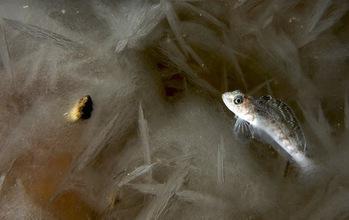
Five families of notothenioid fish inhabit the Southern Ocean, the frigid sea that encircles Antarctica, manufacture their own "antifreeze" proteins to survive.

Their ability to live in the icy seawater is so extraordinary that they make up more than 90 percent of the fish biomass of the region.
 They also suffer an unfortunate side effect: The protein-bound ice crystals that accumulate inside their bodies resist melting even when temperatures warm. 

There is a downside to 'follow the money' arguments made by academics against scientists in pharmaceutical and oil companies - it comes back to haunt them also.

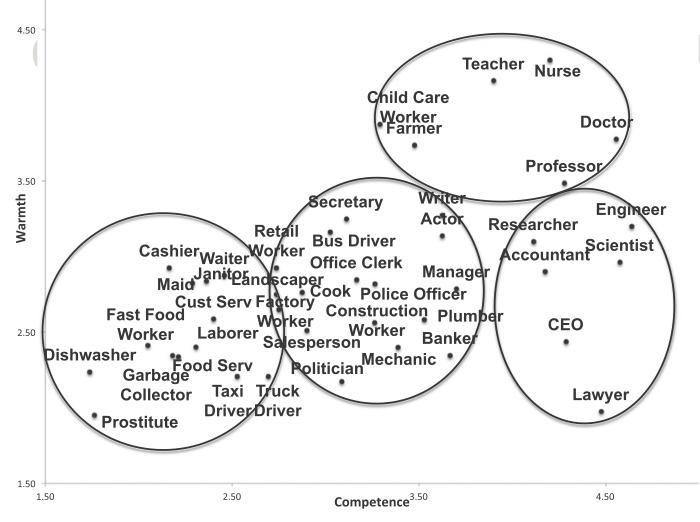
A paper in PNAS finds that Americans seem wary of researchers because they get grant funding and do not trust scientists pushing political and cultural agendas. The public prefers at least the pretense of impartiality from scientists who are paid by taxpayers. And it wouldn't hurt if scientists came off less angry and a little "warmer" when they engage in outreach, according to a new review published by Princeton University's Woodrow Wilson School of Public and International Affairs in the Proceedings of the National Academy of Sciences (PNAS).

Laparoscopic cholecystectomy, a minimally invasive procedure to remove the gallbladder, is one of the most common abdominal surgeries in the U.S.

Some medical centers move patients quickly into surgery while others wait. Being told to wait can alarm patients but is it making a difference?

Not really, finds a paper in the American Journal of Surgery. Gallbladder removal surgery can wait until regular working hours rather than rushing the patients into the operating room at night and there is no risk of harm. 

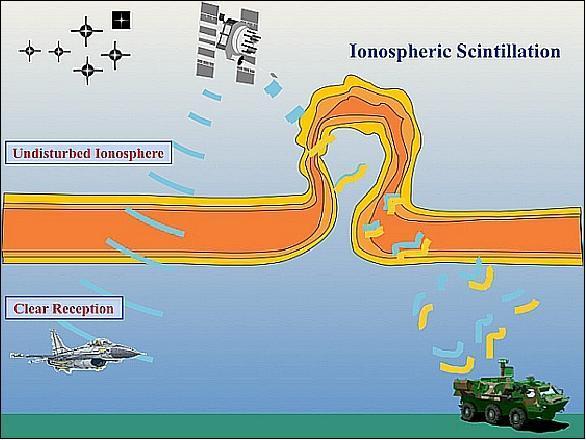
In the early morning hours of March 4th, 2002, a reconnaissance team of US Navy SEALs became pinned down on the ridge dividing the Upper and Lower Shahikot valley in Afghanistan.

A Chinook helicopter with 21 men on a mission to rescue them was heading for the snowcapped peak of Takur Ghar  when U.S. military officers in Bagram radioed them with a message not to land on the peak, because the mountaintop was under enemy control. 

The rescue team never got the message. Just after daybreak, the Chinook took heavy enemy fire and it crash-landed on the peak. Three men were killed in the ensuing firefight.

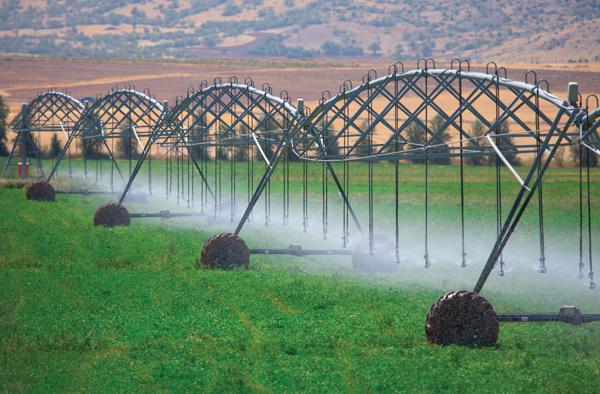
In 1993, Professor John Anthony Allan of King’s College London coined the term "Virtual water" because the term 'embedded water' "did not capture the attention of the water managing community" and he wanted to create a metaphor to talk about why the long-predicted water wars have still not happened.