Banner
The Scorched Cherry Twig And Other Christmas Miracles Get A Science Look

Bleeding hosts and stigmatizations are the best-known medieval miracles but less known ones, like ...
$0.50 Pantoprazole For Stomach Bleeding In ICU Patients Could Save Families Thousands Of Dollars

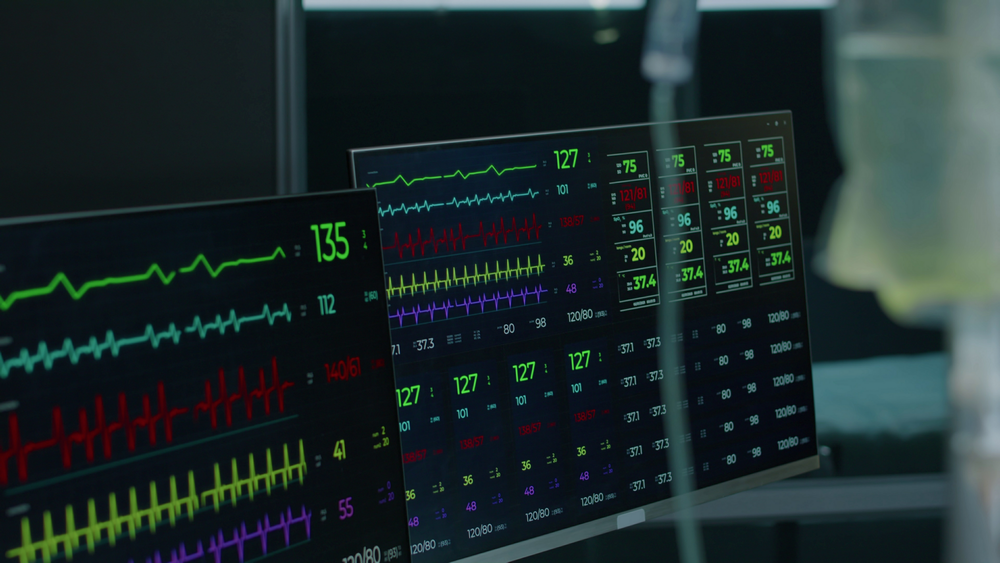
The inexpensive medication pantoprazole prevents potentially serious stomach bleeding in critically...
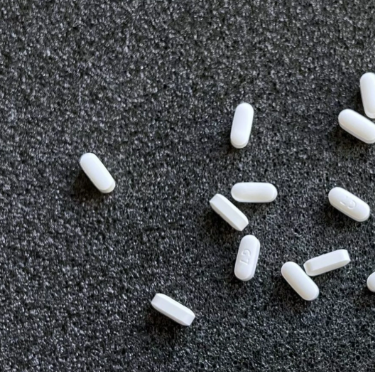
Metformin Diabetes Drug Used Off-Label Also Reduces Irregular Heartbeats

Adults with atrial fibrillation (AFib) who are not diabetic but are overweight and took the diabetes...

Your Predator: Badlands Future - Optical Camouflage, Now Made By Bacteria

In the various 'Predator' films, the alien hunter can see across various spectra while enabling...

User picture.
News StaffRSS Feed of this column.

News Releases From All Over The World, Right To You... Read More »

Blogroll

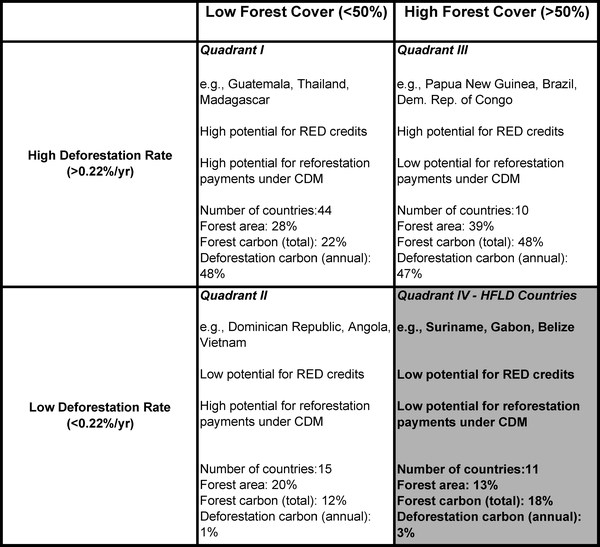
Cutting and burning tropical forests releases the atmospheric carbon they store, contributing significantly to global climate change.

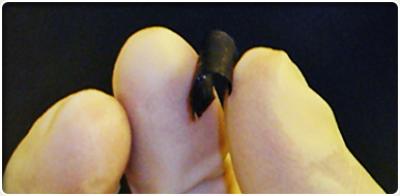
Researchers at Rensselaer Polytechnic Institute have developed a new energy storage device that easily could be mistaken for a simple sheet of black paper.

The nanoengineered battery is lightweight, ultra thin, completely flexible, and geared toward meeting the trickiest design and energy requirements of tomorrow’s gadgets, implantable medical equipment, and transportation vehicles.

Along with its ability to function in temperatures up to 300 degrees Fahrenheit and down to 100 below zero, the device is completely integrated and can be printed like paper. The device is also unique in that it can function as both a high-energy battery and a high-power supercapacitor, which are generally separate components in most electrical systems.

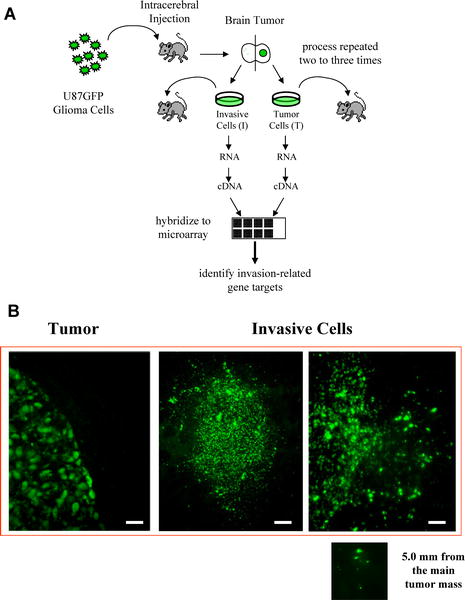
The invasive nature of cancers in general, and malignant gliomas in particular, is a major clinical problem rendering tumors incurable by conventional therapies.

Using a novel invasive glioma mouse model established by serial in vivo selection, new research has identified the p75 neurotrophin receptor (p75NTR) as a critical regulator of glioma invasion.

About 40 percent of deaths worldwide are caused by water, air and soil pollution, concludes David Pimentel, Cornell professor of ecology and agricultural sciences.

Such environmental degradation, coupled with the growth in world population, are major causes behind the rapid increase in human diseases, which the World Health Organization has recently reported. Both factors contribute to the malnourishment and disease susceptibility of 3.7 billion people, he says.

Pimentel and a team of Cornell graduate students examined data from more than 120 published papers on the effects of population growth, malnutrition and various kinds of environmental degradation on human diseases.

Do the overall efficiencies of renewable energy sources, such as wind, solar, and geothermal add up in terms of their complete life cycle from materials sourcing, manufacture, running, and decommissioning? Researchers in Greece have carried out a life cycle assessment to find the answer.

Increasing energy consumption and a growing world population implies shrinking reserves of fossil fuels. While the use of fossil fuels brings with it the problem of carbon dioxide emissions and climate change. Continued dependence on fossil fuels coupled with the pressing global issue of climate change has pushed the concept of renewable energy sources to the top of the agenda.

A recent Newsweek magazine cover story on global warming contained significant errors and used outdated scientific material in its representation of global climate data collected by satellites, according to the scientists who maintain that dataset at The University of Alabama in Huntsville.

Dr. John Christy and Dr. Roy Spencer, who created and maintain the global temperature dataset, recently addressed how instruments aboard NOAA satellites collect temperature data and about the accuracy of that data.