
Banner
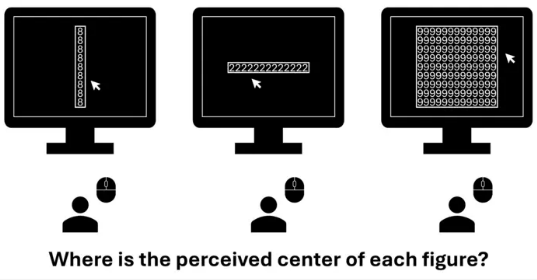
Object-Based Processing: Numbers Confuse How We Perceive Spaces

Researchers recently studied the relationship between numerical information in our vision, and...
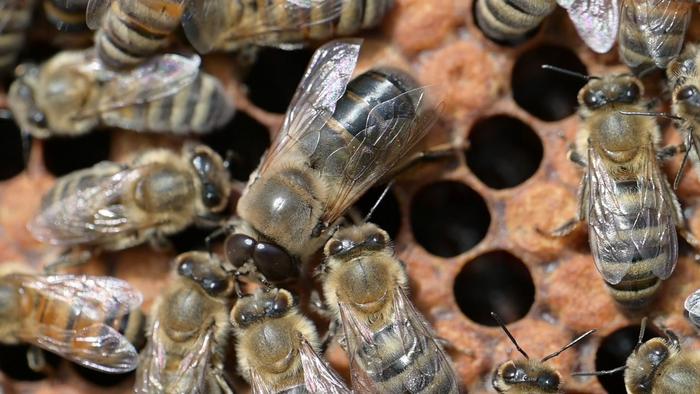
Males Are Genetically Wired To Beg Females For Food

Bees have the reputation of being incredibly organized and spending their days making sure our...

The Scorched Cherry Twig And Other Christmas Miracles Get A Science Look

Bleeding hosts and stigmatizations are the best-known medieval miracles but less known ones, like ...

$0.50 Pantoprazole For Stomach Bleeding In ICU Patients Could Save Families Thousands Of Dollars

The inexpensive medication pantoprazole prevents potentially serious stomach bleeding in critically...

User picture.
News StaffRSS Feed of this column.

News Releases From All Over The World, Right To You... Read More »

Blogroll

The "Victorian Era", named for the period when Queen Victoria was Queen of England and the British Empire was at its apex, is now regarded as one of either impeccable manners and dress or one of sexual repression and quiet frustration.

Ian Christopher McManus of the University College London says that Victorian society also seems to have repressed left-handedness. 11 percent of people today are left-handed yet according to his research only 3 percent of people born in 1900 were. They say that threefold difference merits explanation and they looked to old films for answers.

"Left-handedness is important because more than 10 percent of people have their brains organized in a qualitatively different way to other people," said McManus. "That has to be interesting.

For the first time scientists have been able to film, in real time, the nanoscale interaction of an enzyme and a DNA strand from an attacking virus.

Women and men appear to respond differently to the same biochemical manipulation. Major depressive disorder (MDD) is one of the most common mental disorders, and it is also one of the most studied. It is already known that reduced serotonin transmission contributes to the pathophysiology, or functional changes, associated with MDD and most of today’s most popular antidepressants block the serotonin “uptake site”, also known as the transporter, in the brain. It is also known that people with MDD are frequently found to have impaired impulse control.

A new study published in Nature Genetics on Sunday 16 September 2007 show that common, complex diseases are more likely to be due to genetic variation in regions that control activity of genes, rather than in the regions that specify the protein code.

This surprising result comes from a study at the Wellcome Trust Sanger Institute of the activity of almost 14,000 genes in 270 DNA samples collected for the HapMap Project. The authors looked at 2.2 million DNA sequence variants (SNPs) to determine which affected gene activity.

They found that activity of more than 1300 genes was affected by DNA sequence changes in regions predicted to be involved in regulating gene activity, which often lie close to, but outside, the protein-coding regions.

Cancer-causing genes can work in more powerful and sneaky ways than have been realized. Scientists have shown that a gene named JAK that is closely related to a common cancer-causing gene in people tips the scales toward cancer in an unexpected manner. JAK disrupts the activity of an organism’s DNA on a broad scale, thwarting a critical molecular event very early on in an embryo’s development.

A team from the University of Rochester Medical Center made the finding through research involving fruit flies, which share much of the same complex cellular signaling as humans.

Peat and vegetation in northern areas may help protect permafrost from the effects of climate change, according to a recent study by McMaster researchers published in Geophysical Research Letters.

Found in arctic regions, permafrost is frozen soil that remains at or below 0 C for at least two consecutive years. Permafrost covers more than 30 per cent of the Earth's surface and about 42 per cent (four million sq. km) of Canada's land area.

"There is no doubt that northern regions are warming and permafrost is melting as shown by numerous observations and modeling studies," said Dr. Altaf Arain, co-author of the study and associate professor in the School of Geography & Earth Sciences.


