Banner
Males Are Genetically Wired To Beg Females For Food

Bees have the reputation of being incredibly organized and spending their days making sure our...

The Scorched Cherry Twig And Other Christmas Miracles Get A Science Look

Bleeding hosts and stigmatizations are the best-known medieval miracles but less known ones, like ...

$0.50 Pantoprazole For Stomach Bleeding In ICU Patients Could Save Families Thousands Of Dollars

The inexpensive medication pantoprazole prevents potentially serious stomach bleeding in critically...

Metformin Diabetes Drug Used Off-Label Also Reduces Irregular Heartbeats

Adults with atrial fibrillation (AFib) who are not diabetic but are overweight and took the diabetes...

User picture.
News StaffRSS Feed of this column.

News Releases From All Over The World, Right To You... Read More »

Blogroll

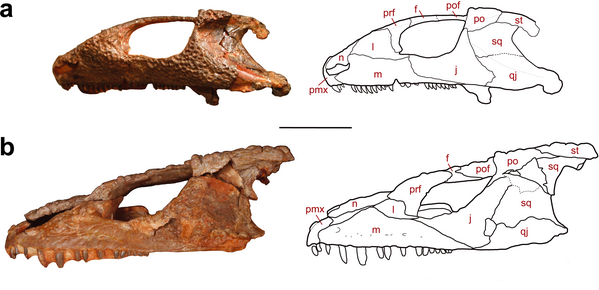
Why would prehistoric reptiles have needed to develop modern ears? No one can say for sure but it is certain that a new study by Johannes Müller and Linda Tsuji, paleobiologists at the Natural History Museum of the Humboldt University in Berlin, has pushed back the date of impedance-matching hearing by some 60 million years.

The fossil animals they studied, found in deposits of Permian age near the Mezen River in central Russia, possessed all the anatomical features typical of a vertebrate with a surprisingly modern ear.

When vertebrates had conquered land and the ancestors of modern day mammals, reptiles, and birds first began to diversify, hearing was not of high importance.

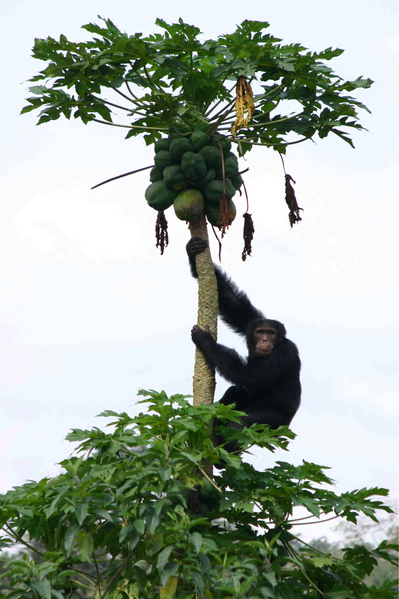
The way to a man’s heart is through his stomach but the way to a female chimpanzees may be through being a great thief. Researchers studying wild chimps in West Africa have learned that males steal desirable fruits from local orchards as a means of attracting female mates.

Lead researcher, Dr Kimberley Hockings from the University of Stirling’s Department of Psychology said: “We believe the males may be using crop-raids as a way to advertise their prowess to other group-members, especially the opposite sex.

Research presented at the British Pharmaceutical Conference (BPC) in Manchester, shows that a compound extracted from tangerine peel can kill certain human cancer cells.

Researchers based at the Leicester School of Pharmacy showed that human cancer cells (which contain an enzyme called P450 CYP1B1) were destroyed by a compound called Salvestrol Q40, contained in tangerine peel. Some types of human cancer cells contain abnormally high levels of P450 CYP1B1.(1), (2)

Salvestrol Q40 is found in the skin of fruits but is removed from the diet when fruit is eaten without its peel or is processed for fruit-based products such as fruit juice.

Last month, University of Alaska Fairbanks researcher Katey Walter brought a National Public Radio crew to Alaska’s North Slope (actually, the NPR story is a lot better and has video, so you can probablly just go there and read it, but please come back when you are done - Editors ), hoping to show them examples of what happens when methane is released when permafrost thaws beneath lakes.

When they reached their destination, Walter and the crew found even more than they bargained for: a lake violently boiling with escaping methane.

University of Minnesota researchers have discovered that N-acetyl cysteine, a common amino acid available as a health food supplement, may help curb pathological gamblers’ addiction.

In a recent eight-week trial, 27 people were given increasing doses of the amino acid, which has an impact on the chemical glutamate – often associated with reward in the brain. At the end of the trial, 60 percent of the participants reported fewer urges to gamble.

“It looks very promising,” said Jon Grant, J.D., M.D., a University of Minnesota associate professor of psychiatry and principal investigator of the study. “We were able to reduce people’s urges to gamble.”

The medical diagnosis of brain death is at odds with our traditional view of when death actually occurs, says Professor Allan Kellehear from the Centre for Death & Society at the University of Bath, speaking at an international conference on Death, dying & disposal.

A diagnosis of brain death uses factors like fixed and dilated pupils, lack of eye movement and absence of respiratory reflexes but the social understanding of death is that it occurs when the heart stops beating.

This makes decisions that often follow brain death, such as organ removal and the cessation of life support, potentially unsettling for the bereaved.