Banner
The Scorched Cherry Twig And Other Christmas Miracles Get A Science Look

Bleeding hosts and stigmatizations are the best-known medieval miracles but less known ones, like ...

$0.50 Pantoprazole For Stomach Bleeding In ICU Patients Could Save Families Thousands Of Dollars

The inexpensive medication pantoprazole prevents potentially serious stomach bleeding in critically...
Metformin Diabetes Drug Used Off-Label Also Reduces Irregular Heartbeats

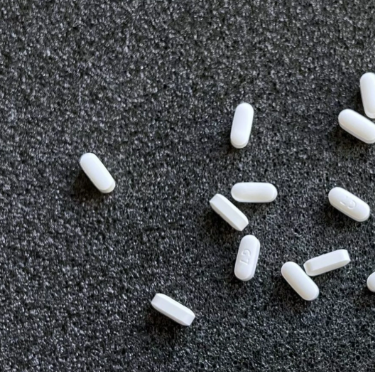
Adults with atrial fibrillation (AFib) who are not diabetic but are overweight and took the diabetes...

Your Predator: Badlands Future - Optical Camouflage, Now Made By Bacteria

In the various 'Predator' films, the alien hunter can see across various spectra while enabling...

User picture.
News StaffRSS Feed of this column.

News Releases From All Over The World, Right To You... Read More »

Blogroll

Large continental ice sheets did not exist in both hemispheres around 41 million years ago during the warmer-than modern conditions of the time.

This is the finding of scientists from the University of Southampton's School of Ocean and Earth Science at the National Oceanography Centre, Southampton (NOCS), reported in Nature.

The Eocene epoch (55 to 34 million years ago) was the last interval of sustained global warmth in Earth's history, a likely consequence of atmospheric carbon dioxide levels much higher than today. It has been known for some time that, at the end of the Eocene, ice sheets on Antarctica first expanded to close their modern size.

Expect to see a lot of headlines like "Get drunk, stay cancer free" from science sites that shoot for headlines rather than fact after a university study showed a compound in red wine may help reduce the risk of developing prostate cancer.. The plain truth is the anti-oxidant compound in red wine, resveratrol, is also found in grapes, raspberries, peanuts and blueberries.

You can still get drunk, but it isn't necessary.

Male mice in the study were fed resveratrol and showed an 87 percent reduction in their risk of developing prostate tumors that contained the worst kind of cancer-staging diagnosis. The mice that proved to have the highest cancer-protection effect earned it after seven months of consuming resveratrol in a powdered formula mixed with their food.

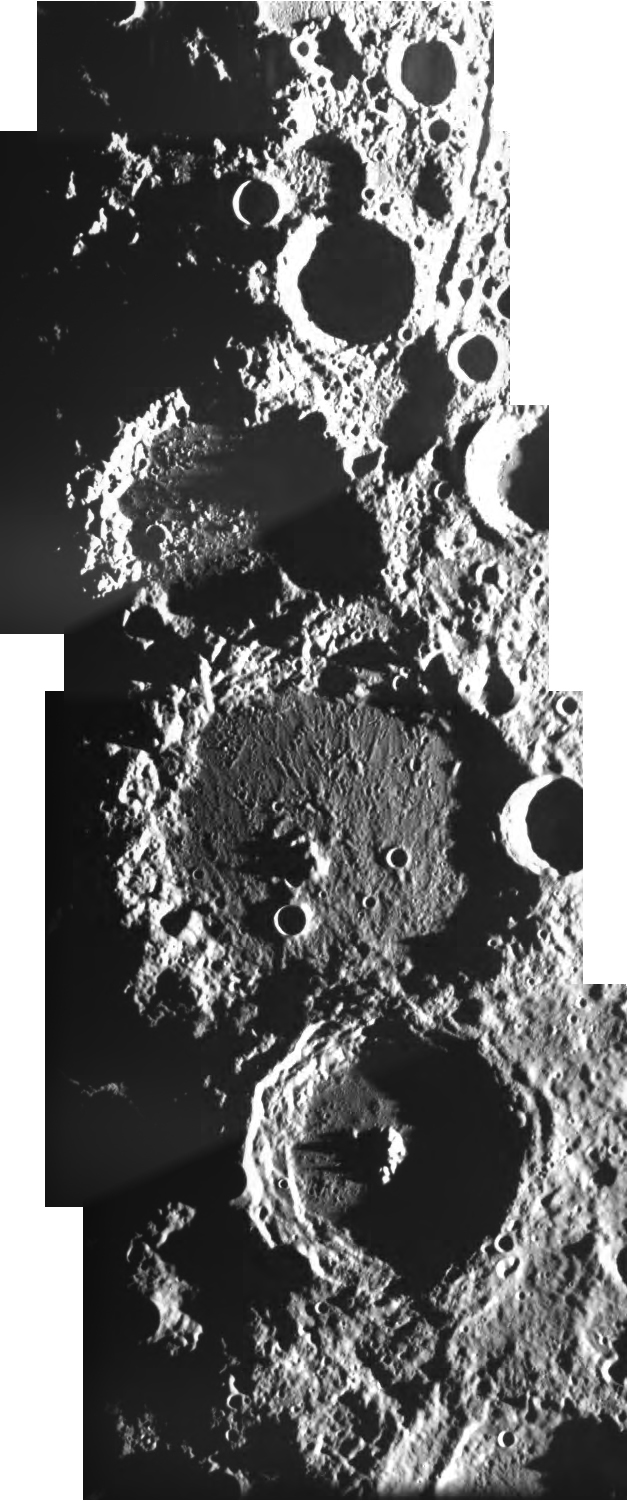
One year ago ESA's SMART-1 landed on the moon.

For researchers, the moon is a geophysical laboratory where impacts, volcanism, tectonics and effects of space weather can be studied to put together the story of the Moon’s past. The geochemistry and thus the origins of the Moon, the evolution of the Earth-Moon system and the bombardment of the inner solar system are topics addressed under lunar formation and evolution.

Experts from the SMART-1 team are now working on data calibration, analysis, archival and distribution for the scientific community and are supporting collaborations with upcoming lunar missions.

Previous studies have shown that there is a very weak correlation between experts’ judgments of cultural entertainment, such as movies, and popular judgment. These findings have been taken to mean that ordinary people don’t have “good taste.”

However, a new study by researchers at Columbia University and Boccini University, Italy, argues that when controlling for marketing campaigns, regular consumers show more “good taste” than previously thought.

The most common working definition of “good taste” utilizes the judgment of experts, who have honed their understanding of a particular cultural field through a long period of training.

Starting to diet seems to double the odds a teenage girl will begin smoking, a University of Florida study has found.

UF researchers, who analyzed the dieting and smoking practices of 8,000 adolescents, did not find the same link in boys, who were also less likely than girls to diet, according to findings released Friday in the American Journal of Health Promotion.

“Dieting was a significant predictor of initiation of regular smoking among females,” said Mildred Maldonado-Molina, Ph.D., a UF assistant professor of epidemiology and health policy research and lead author of the study. “We were expecting that this relationship was going to be stronger among females. That has been well-documented, especially because (nicotine) can suppress your appetite.

A new article published in the August issue of Current Directions in Psychological Science, a journal of the Association for Psychological Science, suggests that infants fine-tune their visual and auditory systems to stimuli during the first year of life, essentially “weeding out” unnecessary discriminatory abilities.

Lisa Scott, a psychologist at the University of Massachusetts at Amherst, and her colleagues examined several studies suggesting that infants begin to hone their perceptual discrimination to environmentally relevant distinctions by 9-12 months of age. At the same time, the discrimination of environmentally irrelevant, or less frequently encountered, distinctions declines.