

Banner
The Scorched Cherry Twig And Other Christmas Miracles Get A Science Look

Bleeding hosts and stigmatizations are the best-known medieval miracles but less known ones, like ...

$0.50 Pantoprazole For Stomach Bleeding In ICU Patients Could Save Families Thousands Of Dollars

The inexpensive medication pantoprazole prevents potentially serious stomach bleeding in critically...
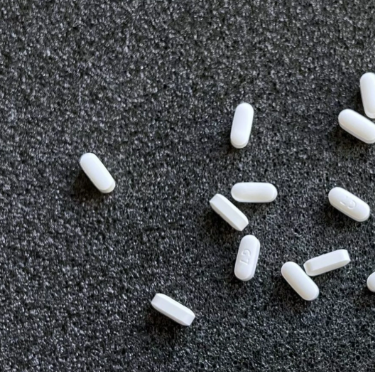
Metformin Diabetes Drug Used Off-Label Also Reduces Irregular Heartbeats

Adults with atrial fibrillation (AFib) who are not diabetic but are overweight and took the diabetes...

Your Predator: Badlands Future - Optical Camouflage, Now Made By Bacteria

In the various 'Predator' films, the alien hunter can see across various spectra while enabling...

User picture.
News StaffRSS Feed of this column.

News Releases From All Over The World, Right To You... Read More »

Blogroll

The discovery that eukaryotes, bacteria, and archaea coexisted 2.7 billion years ago came from chemical examination of shale samples, loaded with oily lipid remains of archaea found in a deep Canadian gold mine near Timmins, Ontario, about 400 miles north of Toronto. Previously it was thought that the three domains of life branched off around three billion years ago but being more specific was not possible.

Fabien Kenig, associate professor of earth and environmental sciences at the University of Illinois at Chicago, and his former doctoral student Gregory Ventura, spent nearly five years carefully analyzing the shale samples, originally to compare what they found with an earlier Australian study suggesting the presence of eukaryotes some 2.7 billion years ago.

Scientists know that information travels between brain cells along hairlike extensions called axons. For the first time, researchers have found that axons don’t just transmit information – they can turn the signal up or down with the right stimulation.

This finding may help scientists develop treatments for psychiatric disorders such as depression and schizophrenia in which it is thought that different parts of the brain do not communicate correctly with each other.

The Regea Institute for Regenerative Medicine, which operates under the University of Tampere in Finland, administered the first clinical stem cell therapy to two patients in cooperation with the Tampere University Hospital. The therapy was a success.

The patients suffered from severe, prolonged frontal sinusitis. An implant combining stem cells and biomaterial was inserted into the damaged bone. Since the therapy, the patients have been well and no longer suffer from frontal sinusitis.

Stem cell therapy was administered to patients with prolonged and severely symptomatic frontal sinusitis that destroyed bone tissue in the forehead. Other treatments such as traditional implants or fat tissue transplants failed to relieve infection.

The Internet is serving as a fertile medium for "HIV denialists" to spread false ideas about HIV/AIDS, which could have terrible public health consequences, say scientists in a policy paper in PLoS Medicine.

"It may seem remarkable that, 23 years after the identification of HIV, there is still denial that the virus is the cause of AIDS," say Tara Smith (University of Iowa College of Public Health) and Steven Novella (Yale University School of Medicine). But with the arrival of the Internet, HIV denialist organizations such as "Reappraising AIDS" have reignited their campaign to spread misinformation.

A team has examined over 300,000 genetic markers in thousands of asthmatic children and compared their data with those of healthy controls. The newly found gene, ORMDL3, is a promising object of research: it could help to improve the prevention and diagnosis of asthma, and possibly to develop a new therapy.

The scientists used the fact that the genetic material of different individuals shows differences. One type of DNA variants is called SNPs, short for “Single Nucleotide Polymorphisms”. They can be compared and statistically analysed.

By creating "Teflon" versions of natural antibiotics found in frog skin, a research team led by biological chemist E. Neil Marsh has made the potential drugs better at thwarting bacterial defenses, an improvement that could enhance their effectiveness.

Marsh and collaborators work with compounds called antimicrobial peptides (AMPs), which are produced by virtually all animals, from insects to frogs to humans. AMPs are the immune system's early line of defense, battling microbes at the first places they try to penetrate: skin, mucous membranes and other surfaces. They're copiously produced in injured or infected frog skin, for instance, and the linings of the human respiratory and gastrointestinal tracts also crank out the short proteins in response to invading pathogens.






