Banner
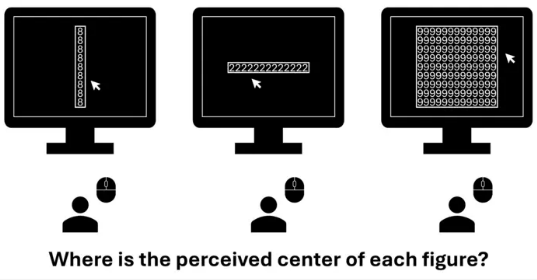
Object-Based Processing: Numbers Confuse How We Perceive Spaces

Researchers recently studied the relationship between numerical information in our vision, and...
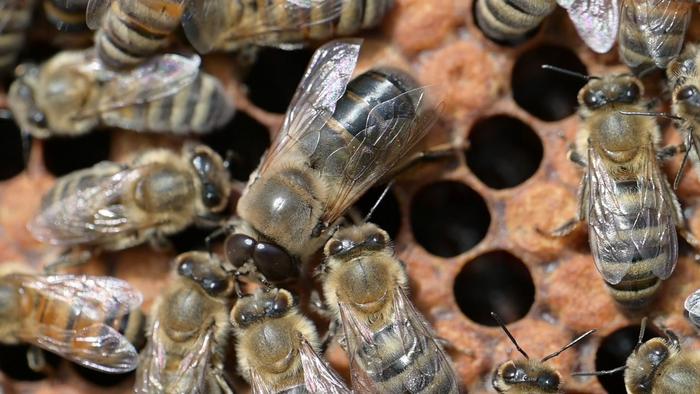
Males Are Genetically Wired To Beg Females For Food

Bees have the reputation of being incredibly organized and spending their days making sure our...

The Scorched Cherry Twig And Other Christmas Miracles Get A Science Look

Bleeding hosts and stigmatizations are the best-known medieval miracles but less known ones, like ...

$0.50 Pantoprazole For Stomach Bleeding In ICU Patients Could Save Families Thousands Of Dollars

The inexpensive medication pantoprazole prevents potentially serious stomach bleeding in critically...

User picture.
News StaffRSS Feed of this column.

News Releases From All Over The World, Right To You... Read More »

Blogroll

While cardiovascular disease occurs in both men and women, it does not affect them in the same way. Risk factors and protective factors for heart diseases are likewise unequal.

The molecular mechanisms responsible for these differences are so far unknown, but some believe it is due to chromosomal linked genes or sexual hormones such as estrogen and testosterone. While the mechanisms behind the differences are unknown, the physiological differences are clear.

A new study examining chronic exercise in male and female mice finds that moderate long-term exercise provokes a sex-dependent cardiac adaptation that is different for females versus males. The findings may eventually help improve treatment strategies for women and men with heart disease.

Women have a “female advantage” when it comes to chronic kidney disease. When compared to men, they have fewer and less severe episodes of this disorder throughout most of their lives. That advantage disappears, however, when the woman is diabetic. For reasons still unclear, diabetic women – regardless of age – are diagnosed with kidney and heart diseases almost as frequently as men.

What is it about diabetes that predisposes a woman to develop renal disease at levels generally associated with her male counterpart? Researchers at Georgetown University’s Center for the Study of Sex Differences in Health, Aging and Disease have been studying the phenomenon and have identified a novel observation to help explain why.

Jenna Rickus, assistant professor of biomedical engineering at Purdue, has developed a "living electrode" coated with specially engineered neurons that, when stimulated, releases a neurotransmitter to inhibit epileptic seizures.

It's part of a larger collaboration focusing on creating a neuroprosthesis that dispenses a neurotransmitter called GABA and calms the brain once the onset of a seizure is detected.

Traditional plow-based agricultural methods and the need to feed a rapidly growing world population are combining to deplete the Earth's soil supply, a new study confirms.

In fact, long-established practices appear to increase soil erosion to the point that it is not offset by soil creation, said David Montgomery, a University of Washington professor of Earth and space sciences.

No-till agriculture, in which crop stubble is mixed with the top layer of soil using a method called disking, is far more sustainable, he said.

The emerging threat of pesticide resistance means that biological malaria control methods are once again in vogue. New research published in the online open access journal BMC Public Health shows how Nile tilapia, a fish more commonly served up to Kenyan diners, is a valuable weapon against malaria mosquitoes.

Annabel Howard and Francois Omlin from the International Centre of Insect Physiology and Ecology in Nairobi, Kenya, introduced Nile tilapia (Oreochromis niloticus L.), to abandoned fishponds in western Kenya. The study, funded by the Government of Finland, BioVision Foundation (Switzerland) and the Toyota Environment Foundation, monitored pond life, comparing the restocked ponds with a control pond nearby.

Many common diseases exhibit gender bias and gender differences have been observed in the development of high blood pressure (hypertension) and heart (cardiovascular) disease. Previous studies have reported that gender may affect vascular physiology and the body’s response to some types of blood pressure medications.

Although gender is usually accounted for in association studies, newer research has focused on identifying autosomal (not on the X or Y chromosomes) genes that contribute differentially to complex traits (blood pressure) or diseases (hypertension). In a new study, researchers examined the differential contribution of genetic factors involved in regulating blood pressure based on samples drawn from a large community.