
Banner
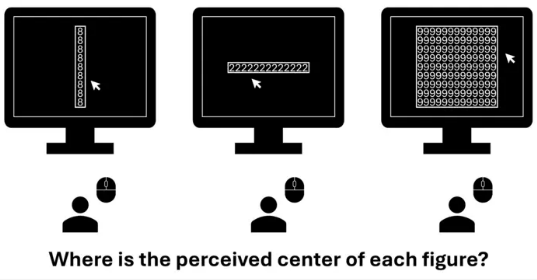
Object-Based Processing: Numbers Confuse How We Perceive Spaces

Researchers recently studied the relationship between numerical information in our vision, and...
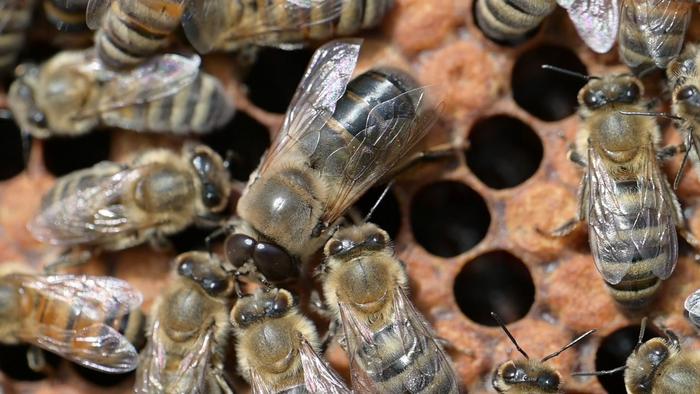
Males Are Genetically Wired To Beg Females For Food

Bees have the reputation of being incredibly organized and spending their days making sure our...

The Scorched Cherry Twig And Other Christmas Miracles Get A Science Look

Bleeding hosts and stigmatizations are the best-known medieval miracles but less known ones, like ...

$0.50 Pantoprazole For Stomach Bleeding In ICU Patients Could Save Families Thousands Of Dollars

The inexpensive medication pantoprazole prevents potentially serious stomach bleeding in critically...

User picture.
News StaffRSS Feed of this column.

News Releases From All Over The World, Right To You... Read More »

Blogroll

There is an urgent reason to study stem cells: stem cells are at the heart of some, if not all, cancers. Mounting evidence implicates a clutch of rogue stem cells brandishing ‘epigenetic’ marks as the main culprits in cancer. Wiping out tumours for good, some biologists believe, depends on uprooting these wayward stem cells.

A team in the Netherlands has uncovered a key protein that could stop these stem cells from becoming malignant. “This is a hot topic in the cancer field,” Maarten van Lohuizen of The Netherlands Cancer Institute, Amsterdam told participants at a EuroSTELLS workshop, held in Montpellier, France, 23-24 January.

What role can scientists play in public decisions about the development and deployment of weapons systems? As the United States continues to commit its troops and technology around the world, this question is worrisome to the public and to concerned scientists alike. According to Rebecca Slayton, a lecturer in the Program in Science, Technology, and Society at Stanford, there's some hope: Science gives experts an important, albeit limited, space for influencing public decisions.

Slayton will make her case Feb.

Researchers at the University of Warwick have found a direct connection between a nation’s overall happiness and its citizens’ blood pressure problems. Sweden, Denmark and the UK come top of this blood pressure based happiness league while Germany, Portugal and Finland come bottom.

The research by economists Professor Andrew Oswald of the Department of Economics at the University of Warwick and Professor David Blanchflower of Dartmouth College USA is about to be published by the National Bureau of Economic Research in Massachusetts.

Doctors have known for a long time that blood pressure is one measure of an individual's health. This research is the first to demonstrate that there a connection between nations' happiness and blood-pressure levels.

The genomes of the largest collection of families with multiple cases of autism ever assembled have been scanned and the preliminary results published in Nature Genetics (February 18, 2007). They provide new insights into the genetic basis of autism.

The research was performed by more than 120 scientists from more than 50 institutions representing 19 countries. In the UK, work was carried out at The University of Manchester, the Institute of Psychiatry at King’s College, London and the University of Oxford.

The international collaboration started in 2002 when researchers from around the world decided to come together and share their samples, data, and expertise to facilitate the identification of autism susceptibility genes. They formed the Autism Genome Project.

A Johns Hopkins-led study has found evidence that a genetic tendency toward suicide has been linked to a particular area of the genome on chromosome 2 that has been implicated in two additional recent studies of attempted suicide.

“We’re hoping our findings will eventually lead to tests that can identify those at high risk for attempting suicide,” says Virginia Willour, Ph.D., an assistant professor in the Department of Psychiatry at the Johns Hopkins University School of Medicine and lead author of the study.

By first probing the way primitive yeast make cholesterol, a team of scientists has discovered a long-sought protein whose human counterpart controls cholesterol production and potentially drug metabolism.

The collaborative study by investigators at Johns Hopkins University School of Medicine, Vanderbilt University, Indiana University and Eli Lilly Co., was published in the February issue of Cell Metabolism.

“Dap1 controls the activity of a clinically important class of enzymes required for cholesterol synthesis and drug metabolism,” says Peter Espenshade, Ph.D., assistant professor of cell biology at Johns Hopkins.




