Banner
Pilot Study: Fibromyalgia Fatigue Improved By TENS Therapy

Fibromyalgia is the term for a poorly-understood condition where people experience pain and fatigue...

High Meat Consumption Linked To Lower Dementia Risk

Older people who eat large amounts of meat have a lower risk of dementia and cognitive decline...

Long Before The Inca Colonized Peru, Natives Had A Thriving Trade Network

A new DNA analysis reveals that long before the Incan Empire took over Peru, animals were...

Mesolithic People Had Meals With More Tradition Than You Thought

The common imagery of prehistoric people is either rooting through dirt for grubs and picking berries...

User picture.
News StaffRSS Feed of this column.

News Releases From All Over The World, Right To You... Read More »

Blogroll
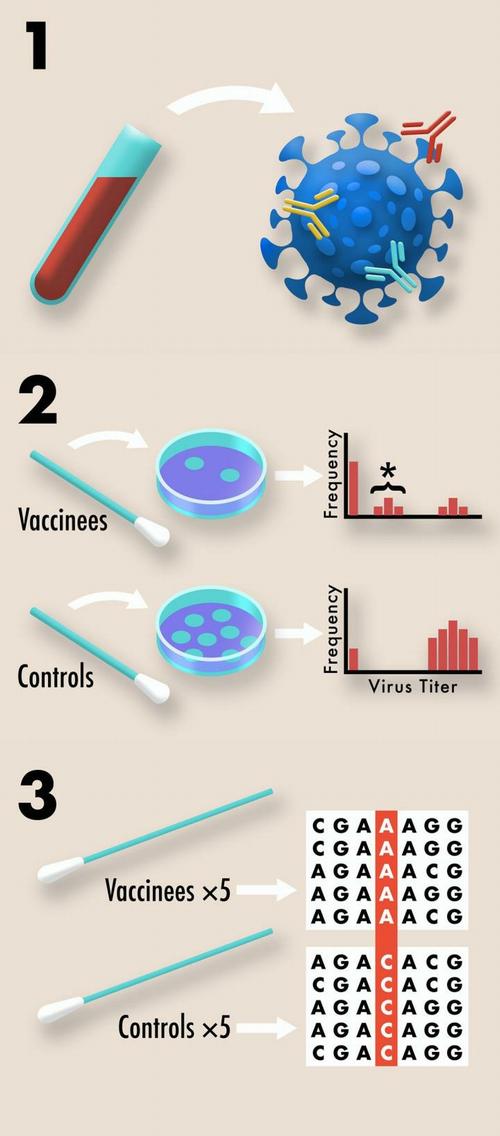
With the third coronavirus pandemic of the last 17 years, and this one worse than ever, there is a great deal of talk about a vaccine. Pfizer set off a lot of excitement with its preliminary results, which exceeded the 50 percent scientists expected. And there are 197 other vaccine candidates in the pipeline.

Yet by the time government, which will now want to be involved more than ever, gets any vaccine into the hands of people, the virus may have mutated. Like a flu vaccine, instead of having this go away, scientists may have to deduce what mutations will occur and create an annual vaccine based on that - because SARS-CoV-2 may develop resistance.
The COVID-19 pandemic has sent both political parties rushing to wrap themselves in the flag of science - even those voters who were historically more inclined to oppose vaccines and medicine and purchase organic food.

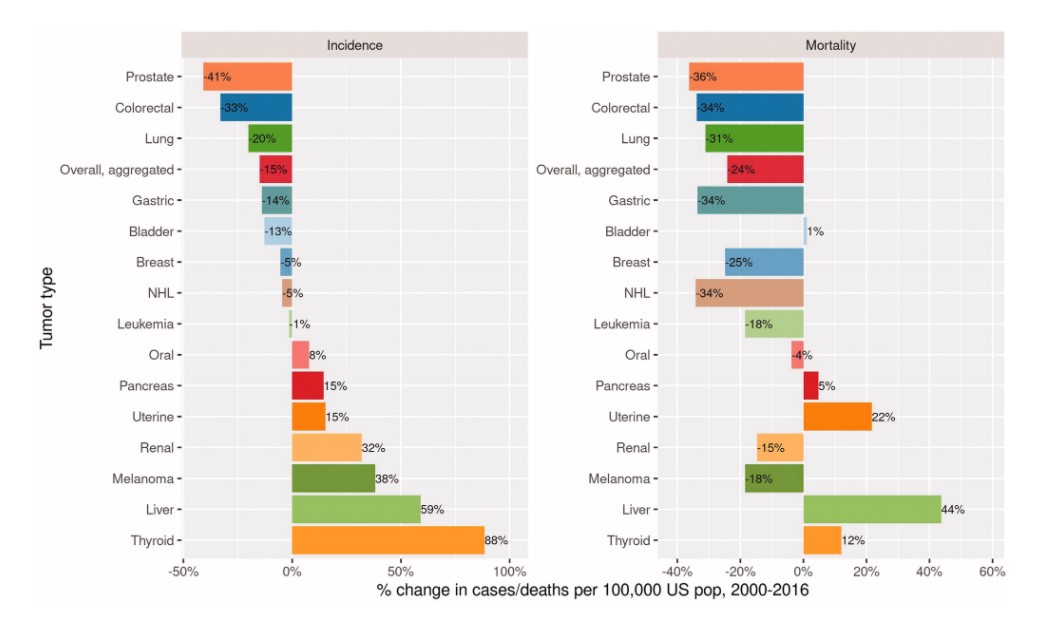
They should have been on Team Science all along, and a new analysis shows why; in a recent 16 year period, over 1.2 million people were saved thanks to 106 new treatments approved across 15 common tumors from 2000 to 2016 - including colorectal cancer, lung cancer, breast cancer, non-Hodgkin's lymphoma, leukemia, melanoma, gastric cancer, and renal cancer.
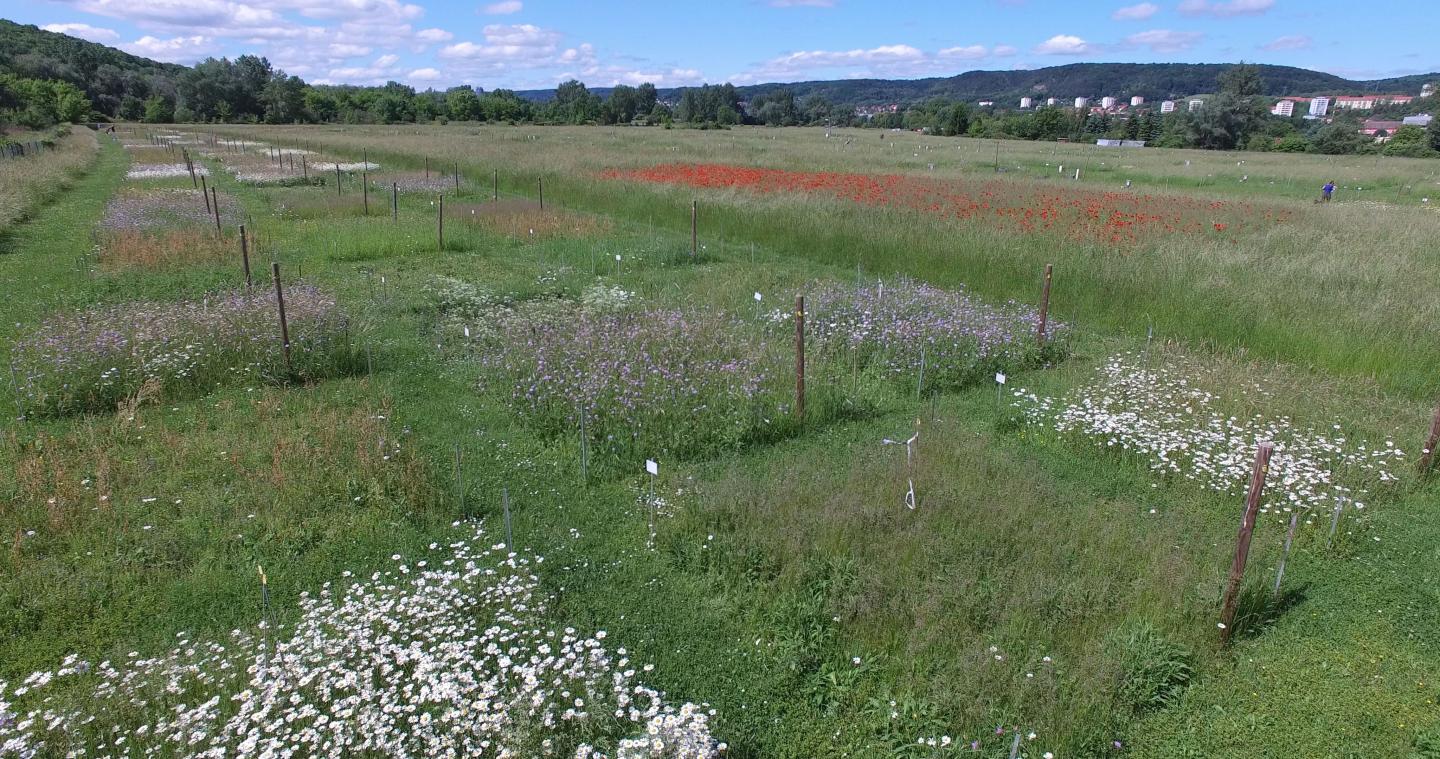
Everyone recognizes that less less food means fewer pests but when you have to grow food to keep billions from starving, yields matter. Farming has gotten more efficient, thanks to big data tools leading to targeted pesticide use and modern pesticides that are less toxic to the environment while still getting rid of pests, such as neonicotinoids. 

That's important. Even with modern science, insects cause losses of up to 18 percent and in older practices that use less-effective pesticides like the organic manufacturing process, those yield losses are even higher - along with food costs.
That gooey cheese you see in pizza advertising is actually glue. That's probably not a surprise. Consumers understand that with choices, marketing matters. With over 20 food ads seen per day, educated people recognize that though organic food contains toxic pesticides their advertising will have images of produce weeded by hand on tiny plots, while fast food looks both huge and savory and is likewise disappointing in reality.

Less clear is why people think prettier food is actually healthier.

The first fossils of a duckbilled dinosaur have been discovered in Africa, which means dinosaurs must have crossed miles of open water to get there.

Ajnabia odysseus was found in Morocco and dates to the end of the Cretaceous, 66 million years ago. Ajnabia was a member of the duckbill dinosaurs, diverse plant-eating dinosaurs that grew up to 15 meters long. But the new dinosaur was tiny compared to its kin - at just 3 meters long, it was as big as a pony.

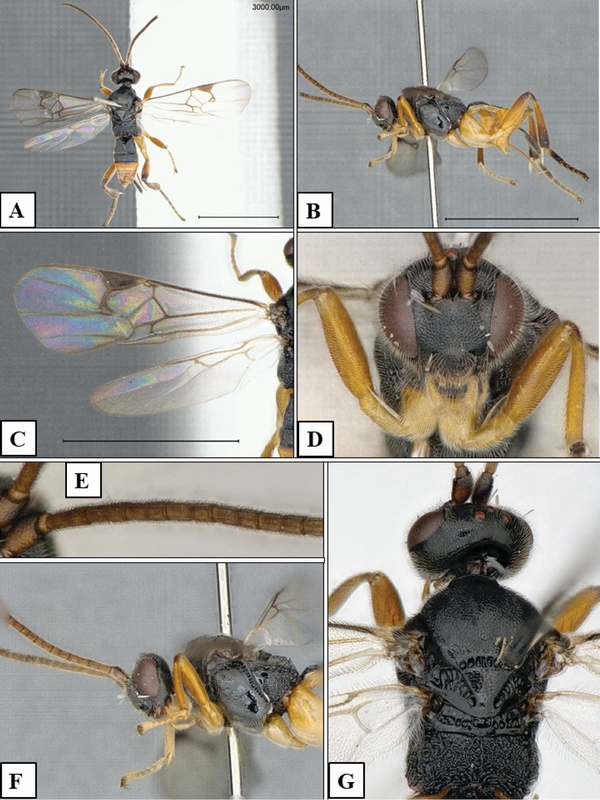
Only a few species, less than 0.1 percent, of parasitoid wasps enter water at all but now one in the family Braconidae, subfamily Microgastrinae, has been found to not only enter water but actually dive in order to attack and pull out caterpillar hosts, so that it can lay its eggs inside them before releasing them back in the water.

During research work in Japan, Dr. Jose Fernandez-Triana of the Canadian National Collection of Insects and colleagues found and filmed the first microgastrine parasitoid wasp to do so.