Banner
Pilot Study: Fibromyalgia Fatigue Improved By TENS Therapy

Fibromyalgia is the term for a poorly-understood condition where people experience pain and fatigue...

High Meat Consumption Linked To Lower Dementia Risk

Older people who eat large amounts of meat have a lower risk of dementia and cognitive decline...

Long Before The Inca Colonized Peru, Natives Had A Thriving Trade Network

A new DNA analysis reveals that long before the Incan Empire took over Peru, animals were...

Mesolithic People Had Meals With More Tradition Than You Thought

The common imagery of prehistoric people is either rooting through dirt for grubs and picking berries...

User picture.
News StaffRSS Feed of this column.

News Releases From All Over The World, Right To You... Read More »

Blogroll
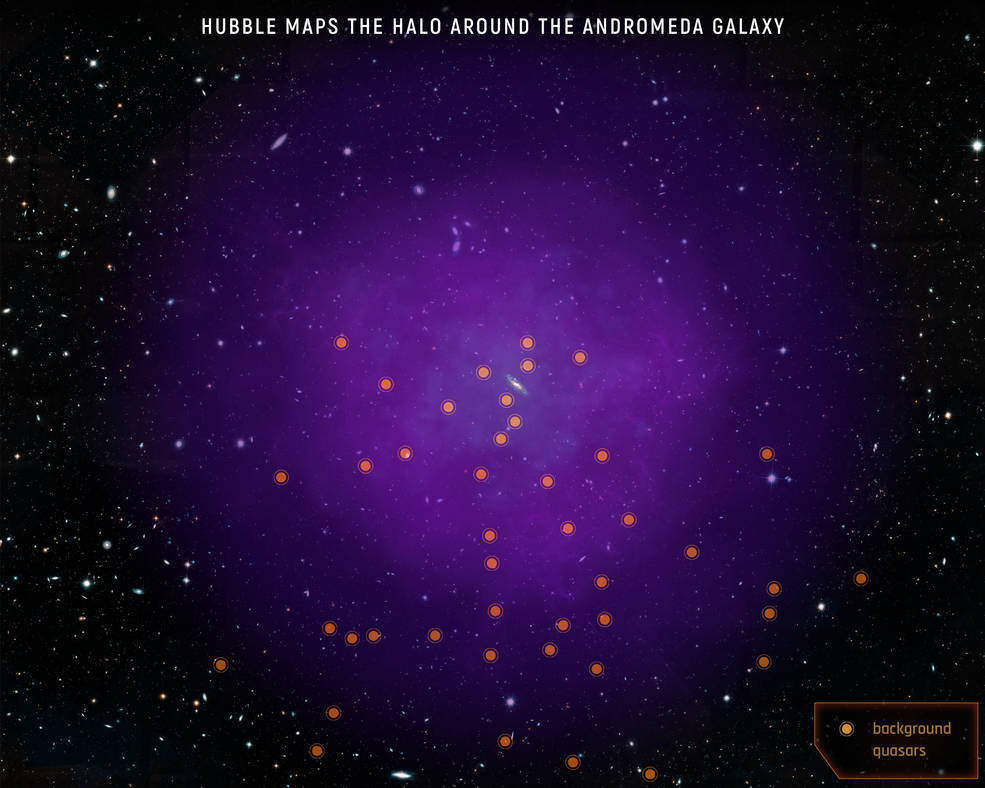
The Andromeda galaxy, our nearest large galactic neighbor, has been found to have a nearly invisible halo of diffuse plasma that extends about halfway to our Milky Way.

That's 1.3 million light-years, and it may go 2 million light-years in some parts, which means Andromeda's halo is already touching our own. The halo has a layered structure, with two main nested and distinct shells of gas. These reservoirs of gas contain fuel for future star formation within the galaxy, as well as outflows from events such as supernovae. 
With racial tension erupting again, parents may be wondering the appropriate age to discuss what kids see in news accounts or in protests at sporting events. 

Psychologists believe that some infants are aware of race and children are capable of thinking about all sorts of complex topics at a very young age. They must, because they see older, bigger people doing things that may seem almost magical, and it becomes important to make sense of their world and so they will come up with their own ideas about how things work. But if they only see news on television, with two sides rioting and committing violence in the name of opposing the others' fascism, the ideas kids come up with may be inaccurate or even detrimental.
You've probably gotten a summer cold, perhaps even the flu, even though the weather is warm.

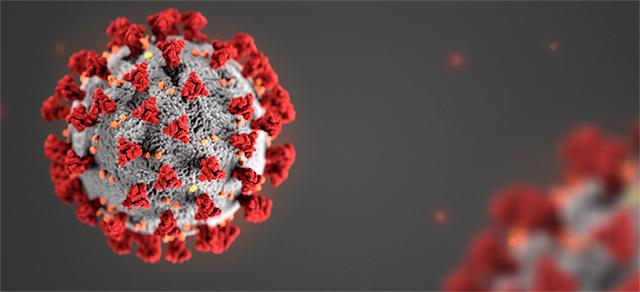
SARS-CoV-2, the 2019 form of coronavirus that caused the COVID-19 pandemic, is in the same family as the common cold, so it is correct that heat will kill it, but just like colds and flu, weather is not a magic bullet.

Some do believe that with summer heat social distancing means less but that isn't reliable. False confidence can have adversely shaped risk perception and put people you know in the .03 with devastating risk factors in greater jeopardy.


One problem with studies that create an outcome and then find data to support it is they don't have real world application. International Agency for Research on Cancer epidemiologists, for example, have been caught creating a desired warning label for chemicals and then hand-picking studies to support that goal - the opposite of what scientists do. Harvard TS Chan School of Public Health is frequently criticized for data dredging, where they take questionnaires with so many foods and outcomes they are sure to be able to link something and claim it has statistical power.

Yet in the real world, weedkillers don't cause cancer, neonicotinoids don't kill bees, and there are no "miracle vegetables." 
The number one cause of traffic jams in larger U.S. cities is high occupancy vehicle (HOV) lanes, which were created by government to force people into carpooling to prevent traffic jams. It did not work, nor did pretending single-use electric cars were carpools, because blocking off 25 percent of the road for 6 perfect of cars makes no sense and people did not change jobs to be able to work in the same factory in the same town, the way it was possible 60 years ago.
Epidemiologists assured us S-shaped curves would be the case for COVID-19, but many countries had decreases of infection numbers "social distancing" and a linear rise of infection curves after the first peak.

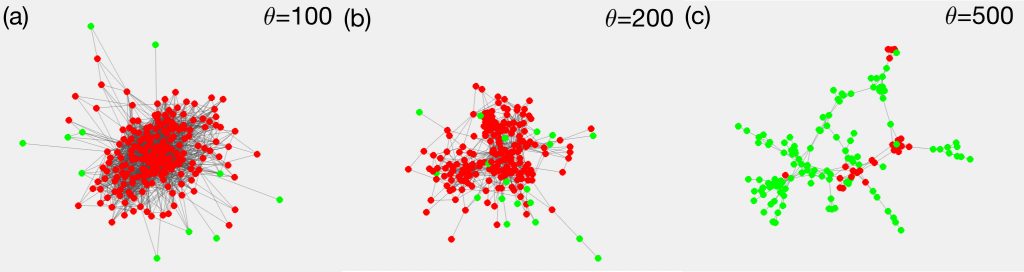
A new paper offers an explanation for the linear growth of the infection curve.

Traditional epidemiological models required so much fine-tuning of parameters that they became scientifically meaningless. Linear growth, with an R number at 1, in the epidemiology models that were being used would have to mean reducing contacts by the same exact and constant percentage. That was never going to happen outside the world of statistical hope.