Banner
Pilot Study: Fibromyalgia Fatigue Improved By TENS Therapy

Fibromyalgia is the term for a poorly-understood condition where people experience pain and fatigue...

High Meat Consumption Linked To Lower Dementia Risk

Older people who eat large amounts of meat have a lower risk of dementia and cognitive decline...

Long Before The Inca Colonized Peru, Natives Had A Thriving Trade Network

A new DNA analysis reveals that long before the Incan Empire took over Peru, animals were...

Mesolithic People Had Meals With More Tradition Than You Thought

The common imagery of prehistoric people is either rooting through dirt for grubs and picking berries...

User picture.
News StaffRSS Feed of this column.

News Releases From All Over The World, Right To You... Read More »

Blogroll
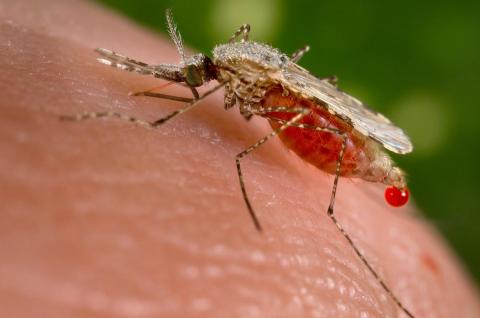
DDT and other chemicals remain the most effective way to contain malaria - by eliminating the disease vectors that spread it.
But even though the U.S. EPA has written the book for how DDT is to be sprayed inside homes, it was banned here over the objections of scientists and remains controversial for environmental groups who want to ban all chemicals. A new method may make chemicals less necessary but it involves another area of science activists oppose; genetic engineering.
For those who used to believe that taking on massive student loan debt to pay for increased salaries for university employees that would lead to a high salary, a new reality has set in: the gig economy. 

And that counts in journalism too. In the days of Walter Cronkite and Watergate, media enjoyed a great deal of trust, but as the public got more savvy about bias that trust declined and people began to seek out alternative sources. If media are going to be biased, people believed, it might as well be biased in ways they like. 
Some species have thrived only because they are food sources. Cows, for example, would be endangered and likely extinct if not for human animal husbandry. The same goes for many vegetables. They would be sparse or even gone if not for our genetic intervention.

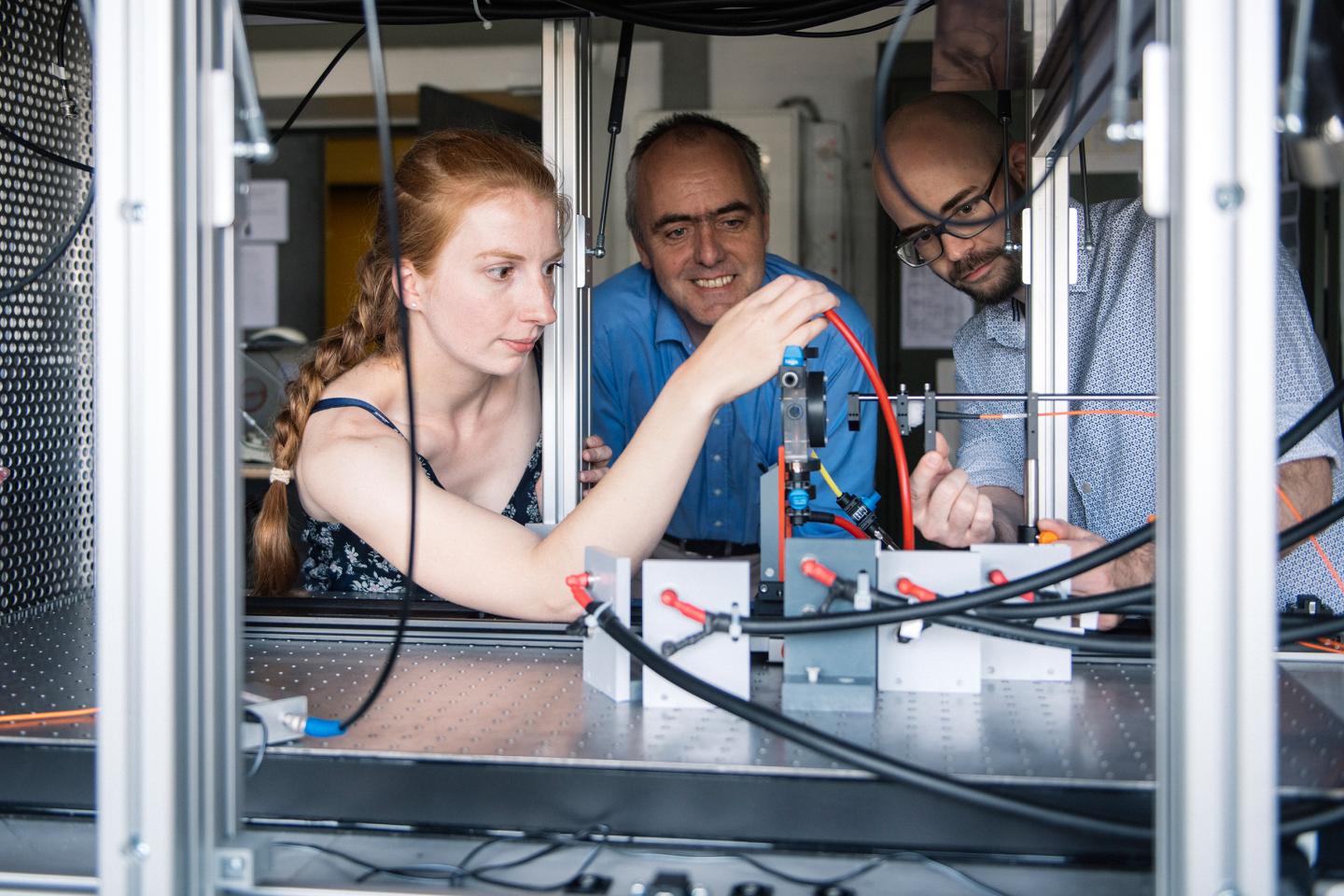
Plasma is like a lightning bolt, when it happens underwater.

A new study explored how electrochemical cells that help recycle CO2 but whose catalytic surfaces get worn down in the process might be regenerated at the push of a button - using extreme plasmas in water. To show proof ofconcept, they deployed optical spectroscopy and modeling to analyze such underwater plasmas in detail, which exist only for a few nanoseconds, and to theoretically describe the conditions during plasma ignition.

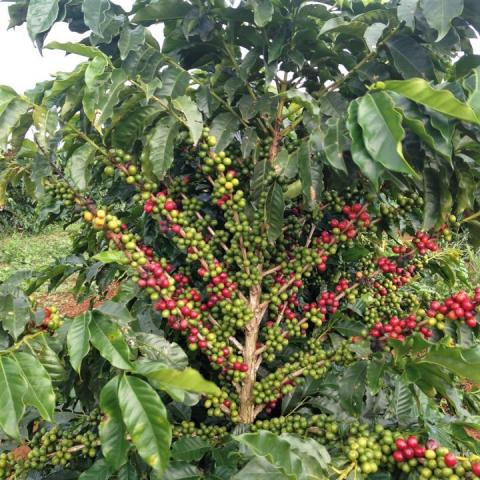
More than 2 billion cups of coffee are consumed worldwide, which means coffee beans used in all those lattes, espressos and mochas create a livelihood for millions of people worldwide.

Yet coffee plant production remains decidedly low-tech, and gimmick labels like "organic" and "fair trade" keep developing nations growing coffee stuck in the past. That has resulted in a "biennial effect" in yields, where years with high yields are often followed by years with low yields. The biennial effect makes it challenging for coffee breeders to compare yields from different varieties of coffee. Without accurate measures of yield, breeders cannot know which varieties of coffee would be most useful for farmers to grow.

Bystander apathy is a social psychological construct where it is believed that someone who sees a victim is less likely to offer help when other people are present. They say it is proportional to the number of bystanders, the more people around not helping the less likely anyone will help.

It became a popular idea in pop culture, and therefore made its way into social psychology, after the 1964 case of Kitty Genovese, a 28-year-old woman who was raped and murdered in Queens, New York.