Banner
Pilot Study: Fibromyalgia Fatigue Improved By TENS Therapy

Fibromyalgia is the term for a poorly-understood condition where people experience pain and fatigue...

High Meat Consumption Linked To Lower Dementia Risk

Older people who eat large amounts of meat have a lower risk of dementia and cognitive decline...

Long Before The Inca Colonized Peru, Natives Had A Thriving Trade Network

A new DNA analysis reveals that long before the Incan Empire took over Peru, animals were...

Mesolithic People Had Meals With More Tradition Than You Thought

The common imagery of prehistoric people is either rooting through dirt for grubs and picking berries...

User picture.
News StaffRSS Feed of this column.

News Releases From All Over The World, Right To You... Read More »

Blogroll
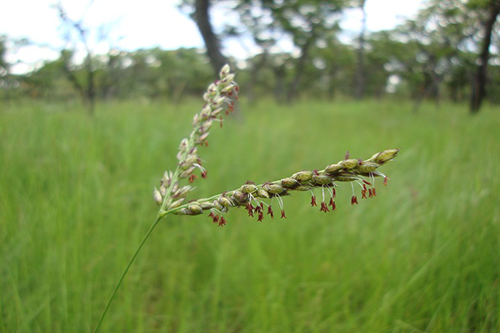
Grasses have been able to short cut evolution by taking genes from their neighbors, finds a new study.

Since Darwin, much of the theory of evolution has been based on common descent, where natural selection acts on the genes passed from parent to offspring. But sometimes what seems to be natural selection is really artificial, like lateral gene transfer that allows organisms to bypass evolution and skip to the front of the queue by using genes that they acquire from distantly related species. Even by stealing them.
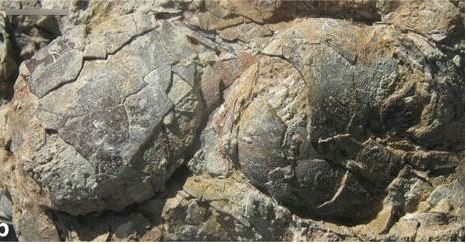
Fossilized eggshells unearthed in western Romania represent the earliest known nest site shared by multiple animals. The shells – some complete and others broken into thousands of pieces – are densely packed and encased in mudstone which formed part of the remains of a bird breeding colony, probably comprising hundreds of seperate nests. 

Now in the collections of the Transylvanian Museum Society in Cluj Napoca, Romania, the samples date from the late-Cretaceous period (approx. 70 million years ago) and were discovered near the city of Sebeş in Transylvania by local palaeontologist Mátyás Vremir about nine years ago.
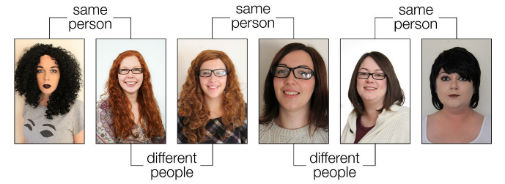
In the comics and films, Clark Kent wore reading glasses while Superman had no glasses but sported a lock of hair on his forehead - and no one figured it out. Ridiculous, it was later said.

Perhaps it was ridiculous if keen reporters who knew Kent well did not figure it out, but for the most part even subtle disguises work well for most people, according to a new study. Something as minor as complexion changes or a hairstyle are enough to convince people that in a world of six billion people, a one in a million chance of seeing a person who looks like someone you know is not that bad.
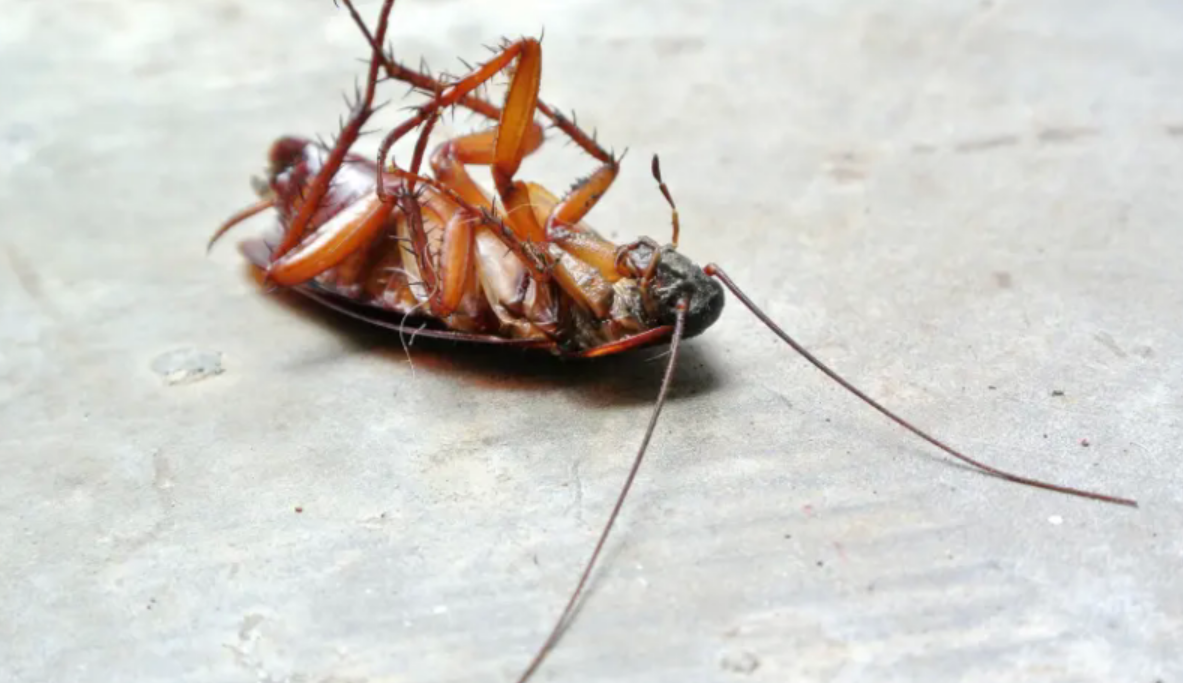
Cockroaches have a reputation for resilience, likely contributing to the belief that they could even survive a nuclear bomb and subsequent radiation exposure.

And though Fukushima was not a nuclear bomb, or even a real disaster (more people died trying to escape than from radiation), the claim that cockroaches were found led weight to their constitutions.(a) But is it really accurate? In the future, if a disgraced doctor finds Alita: Battle Angel in a junk pile, will she be with a cockroach? 

In vitro, in utero, these are science terms that have become commonly known. In vitro means studies in cells, like using test tubes, or a test for a fetus in the womb in the case of in utero.

Studies done in feces - yes, excrement - haven't really had a name, they though are common in gut bacteria analyses. Now they might, thanks to UNC School of Medicine scientist Aadra Bhatt, PhD, and colleagues; in fimo. Their proposal is published in the journal Gastroenterology.

An immune checkpoint molecule, SA-4-1BB developed for cancer immunotherapy also protects against future development of multiple types of cancer when administered by itself, shows a new study.

The recombinant protein molecule SA-4-1BBL has been used to enhance the therapeutic efficacy of cancer vaccines with success in pre-clinical animal models. It accomplishes this by boosting the effectiveness of CD8+ T cells, adaptive immune cells trained to target the tumor for destruction. When the researchers treated normal healthy mice with SA-4-1BBL alone, the mice were protected when the researchers later exposed them to different types of tumor cells.

Patrolling the body instead of generating an immune response after the tumor is present