Banner
Pilot Study: Fibromyalgia Fatigue Improved By TENS Therapy

Fibromyalgia is the term for a poorly-understood condition where people experience pain and fatigue...

High Meat Consumption Linked To Lower Dementia Risk

Older people who eat large amounts of meat have a lower risk of dementia and cognitive decline...

Long Before The Inca Colonized Peru, Natives Had A Thriving Trade Network

A new DNA analysis reveals that long before the Incan Empire took over Peru, animals were...

Mesolithic People Had Meals With More Tradition Than You Thought

The common imagery of prehistoric people is either rooting through dirt for grubs and picking berries...

User picture.
News StaffRSS Feed of this column.

News Releases From All Over The World, Right To You... Read More »

Blogroll

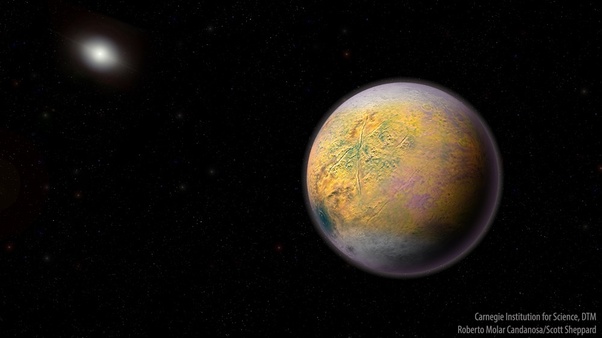
After two percent of astronomers threw out one arbitrary definition of planet and replaced it with another arbitrary definition of planet, our solar system went from nine planets to eight. Pluto became instead a dwarf planet because the the International Astronomical Union said a planet must have "cleared its neighborhood" of other orbiting bodies and since Pluto did not clean out the entire Kuiper Belt full of asteroids it did not qualify.

Is there sex-specific epigenetic regulation of fear memory?

A new study says yes, for mice anyway, and if it later is found to be similar in humans it could explain why fear and stress-related disorders affect men and women differently.

Fear and memory produce changes to genes that modulate gene expression, called epigenetic modifications, some contend. In a mouse model of traumatic memory, epigenetic activation of  gene important for creating fear memories and stress behavior, called cyclin dependent kinase 5 (Cdk5) increased naturally in males, but not in females, after the mice recalled a fear-related memory.
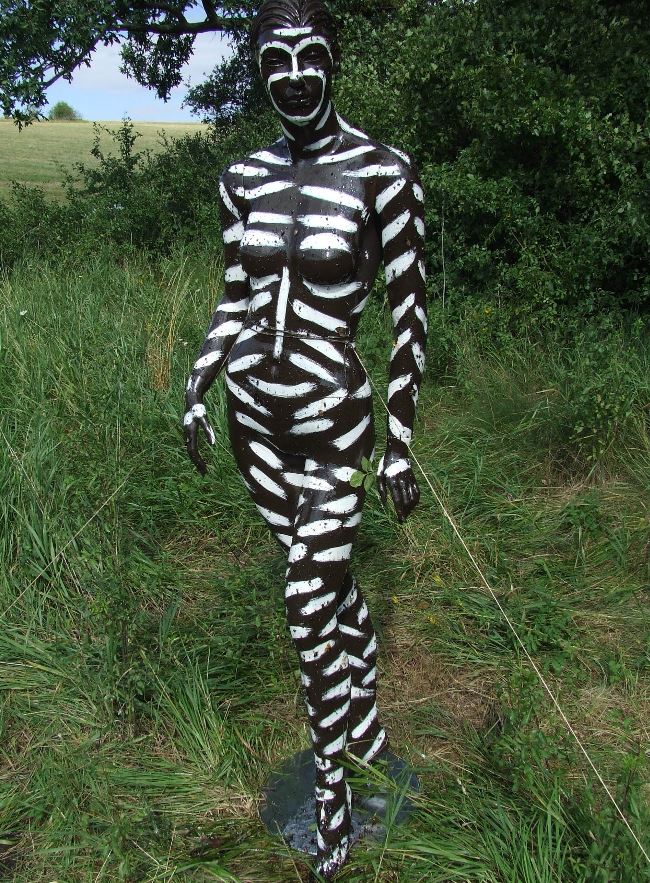
Some indigenous peoples wear body paint, and most most of the indigenous communities who paint their bodies live in areas where there is an abundance of bloodsucking horseflies, mosquitoes or tsetse flies. 

Where insects bite people there is a risk of bacteria, parasites and other pathogens being transferred. More insects, more risk. Did paint come into popularity for protection it might offer? A new study set out to find if the two were linked, and not just cultural decoration. 
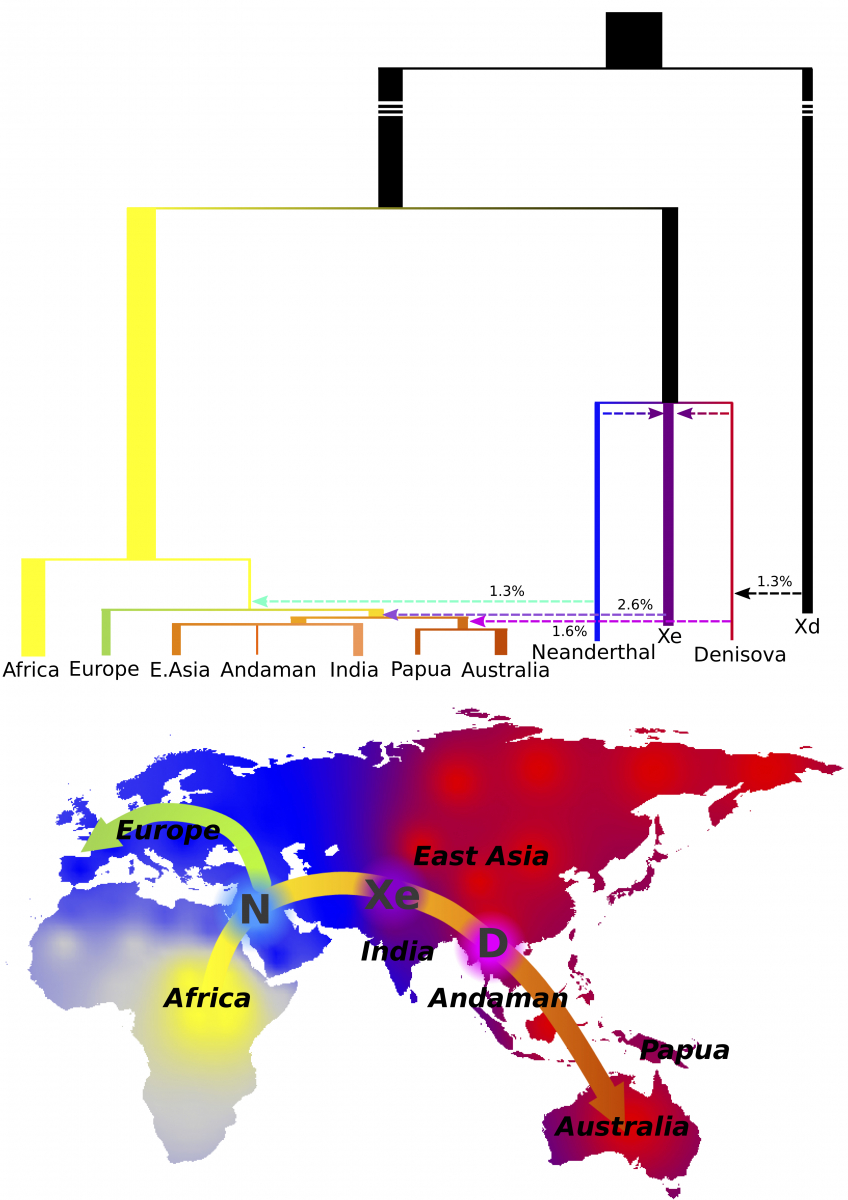
A recent study using deep learning algorithms and statistical methods discovered the footprint of a new hominid who cross bred with the ancestors of Asiatic individuals tens of thousands of years ago.

Modern human DNA computational analysis suggests that the extinct species was a hybrid of Neanderthals and Denisovans and cross bred with "Out of Africa" modern humans in Asia. This finding would explain that the hybrid found this summer in the caves of Denisova - the offspring of a Neanderthal mother and a Denisovan father - was not an isolated case, but rather was part of a more general introgression process. 
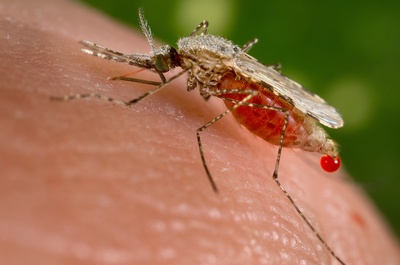
Anopheles stephensi, a malaria disease vector, is normally found in the Middle East, Indian Subcontinent and China. But now it has been found in Ethiopia, where over 68 percent of the population is already at risk for malaria and an average of 2.5 million cases are reported annually.
Our brains can track the sounds in its environment while we sleep, and favor the most relevant ones, according to a recent study.

No great new information there. Everyone has woken up from sleep because of noise. But the mechanism that allows us (and some better than others) to sleep in complete safety and wake up at the right moment has remained a mystery. Why do some people who fall asleep on a bus or train miss their stop while others may only wake up at the sound of their own name but not that of others?

Studies that concentrated on the sleeping brain’s capacity to process isolated sounds don't help much with the real world, where we often sleep in environments where various sounds are superimposed and mixed with one another.