Banner
Pilot Study: Fibromyalgia Fatigue Improved By TENS Therapy

Fibromyalgia is the term for a poorly-understood condition where people experience pain and fatigue...

High Meat Consumption Linked To Lower Dementia Risk

Older people who eat large amounts of meat have a lower risk of dementia and cognitive decline...

Long Before The Inca Colonized Peru, Natives Had A Thriving Trade Network

A new DNA analysis reveals that long before the Incan Empire took over Peru, animals were...

Mesolithic People Had Meals With More Tradition Than You Thought

The common imagery of prehistoric people is either rooting through dirt for grubs and picking berries...

User picture.
News StaffRSS Feed of this column.

News Releases From All Over The World, Right To You... Read More »

Blogroll
Even previously considerate and helpful male managers have become less likely to mentor female employees, according to a new study. They've become less likely to even talk one-on-one with women.

This unintended consequence of the #MeToo movement could deny female employees critical development and thus career advancement. Women are not the problem, a large portion of female employees report a willingness to be mentored by an older male co-worker, but career advancement also has a social component, and in the last few years men are less likely to work one-on-one in an office with the door closed and less likely to engage in social behavior, like a post-work dinner with female employees.
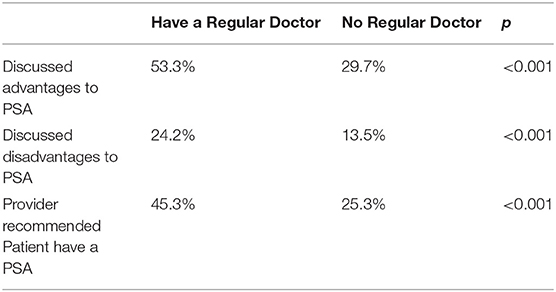
Having a single primary care physician is statistically correlated to increased treatment adherence and decreased hospital admissions and mortality risk. A new paper finds it may also lead to costly unnecessary tests.

Male patients who have a single general physician were more likely to receive a prostate cancer screening test during a period when the test was not recommended by the US Preventive Services Task Force. Greedy doctors? No, the tests don't pay enough money to be meaningful, it is that doctors invariably prefer to side with patients over insurance companies or government protocols.
Whatever Uncanny Valley when it comes to machines still existed in 2019 got a lot smaller in 2020. We're even being nicer to them since 2020.

People mostly dispense with social norms of human interaction and treat machines differently. The behavior holds true even as machines became more "human" seeming, such as Amazon's Alexa or Morgan Freeman in your vehicle navigation system.

Human default behavior is often driven by heuristic thinking -- the snap judgments people use to navigate complex daily interactions. The Uncanny Valley says that as artificial things begin to seem more human, but not close enough to pass for human, we are put off. 

That all changed due to COVID-19. We got nicer toward our machine and other people.
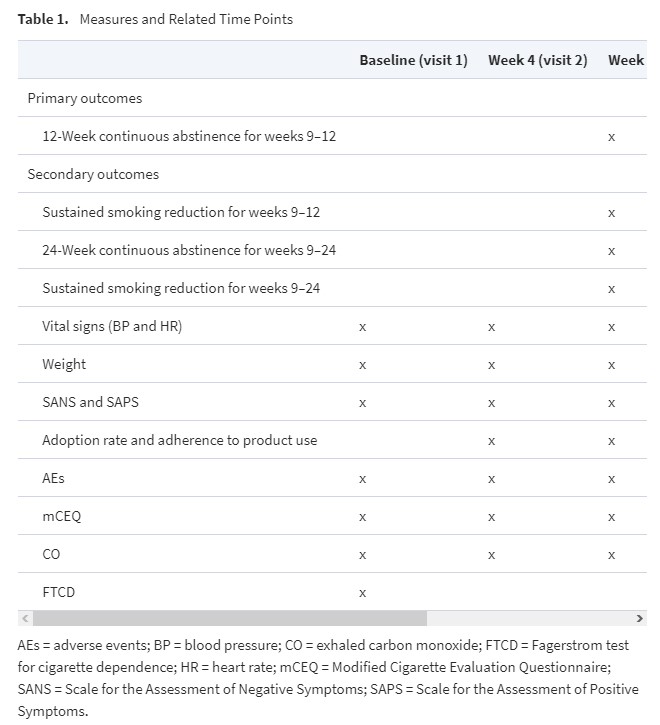
Schizophrenia can cause hallucinations, delusions, trouble with thinking and other behaviors that impact daily functioning. Though it affects less than 1% of the public, 60% of schizophrenic smoke cigarettes, a known carcinogen and risk factor for numerous diseases; a 500 percent increase over the general population, where smoking has plummeted thanks to greater awareness of its harms plus smoking cessation tools like nicotine gums, patches, and vaping.
Beta-blockers are a class of medications that reduce the heart rate, the heart's workload and the heart's output of blood, which, together, lower blood pressure.

Blood pressure is only a risk factor for heart disease, it is not a disease in itself, yet when people hear about a medical issue with a vital organ it can have profound psychological impacts. Some people report feeling depressed or having fitful sleep after taking beta blockers. Plus anxiety, drowsiness, hallucinations and nightmares. When one medicine has so many diverse correlations without any biological plausibility, it is probably not the medicine, it is more likely the implications of the medicine.
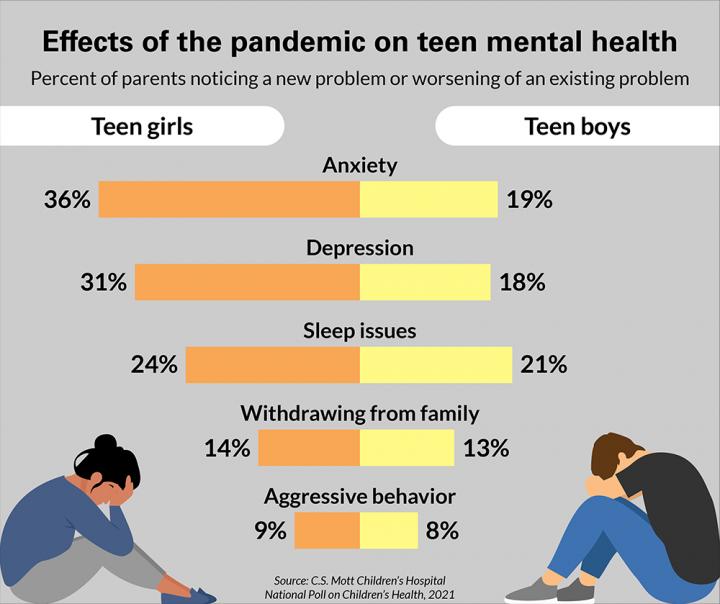
For as much talk as there is about bullying and drama in schools, for most teens the experience of interacting with peers is not only positive, it is essential training for dealing with others later in life.

And if a new national poll is an indication, government lockdowns and societal pressure during the COVID-19 pandemic may have lasting impacts on the mental health of young people.