Banner
The Scorched Cherry Twig And Other Christmas Miracles Get A Science Look

Bleeding hosts and stigmatizations are the best-known medieval miracles but less known ones, like ...

$0.50 Pantoprazole For Stomach Bleeding In ICU Patients Could Save Families Thousands Of Dollars

The inexpensive medication pantoprazole prevents potentially serious stomach bleeding in critically...

Metformin Diabetes Drug Used Off-Label Also Reduces Irregular Heartbeats

Adults with atrial fibrillation (AFib) who are not diabetic but are overweight and took the diabetes...

Your Predator: Badlands Future - Optical Camouflage, Now Made By Bacteria

In the various 'Predator' films, the alien hunter can see across various spectra while enabling...

User picture.
News StaffRSS Feed of this column.

News Releases From All Over The World, Right To You... Read More »

Blogroll
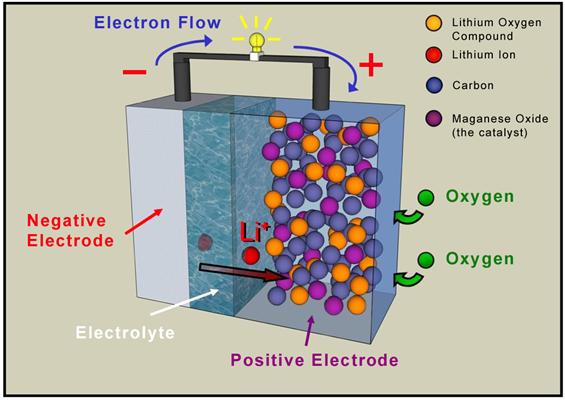
A new type of air-fuelled battery called the STAIR (St Andrews Air) cell could give up to ten times the energy storage of designs currently available, meaning a new generation of batteries for electric cars, mobile phones and laptops.

The new design has the potential to improve the performance of portable electronic products and give a major boost to the renewable energy industry. The batteries will enable a constant electrical output from sources such as wind or solar, which stop generating when the weather changes or night falls.

Dutch firm Nexus Technology enters the market for laptop accessories with a new patented liquid cooling solution. The TDD-9000 is a soft black velvet blanket with inside a gel-like liquid. The patented liquid has unique heat dissipating characteristics and works completely passive and noiseless.

"When you put the laptop cooling pad on your lap you will feel your lap turn colder within 10 seconds," says Michael van der Jagt, CEO of Nexus Technology. "The Taiwanese testing institute SGS Taiwan has done independent tests that support these claims.

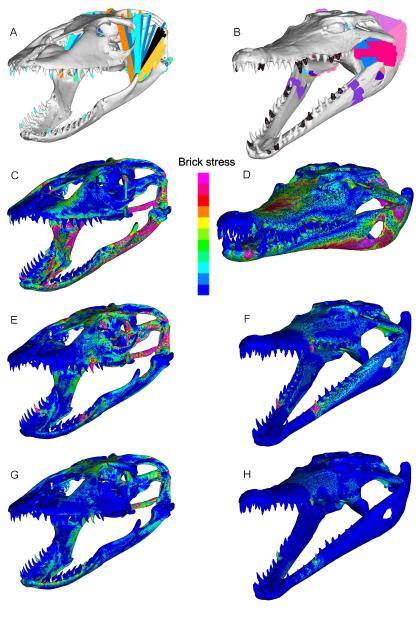
A new study has shown that the effectiveness of the Komodo Dragon bite is a combination of highly specialized serrated teeth and venom and the authors say this dismisses the widely accepted theory that prey die from septicemia caused by toxic bacteria living in the dragon's mouth.

Using sophisticated medical imaging techniques, an international team led by Dr Bryan Fry from the University of Melbourne have revealed that the Komodo Dragon (Varanus komodoensis) has the most complex venom glands yet described for any reptile, and that its close extinct relative Megalania was the largest venomous animal to have lived.
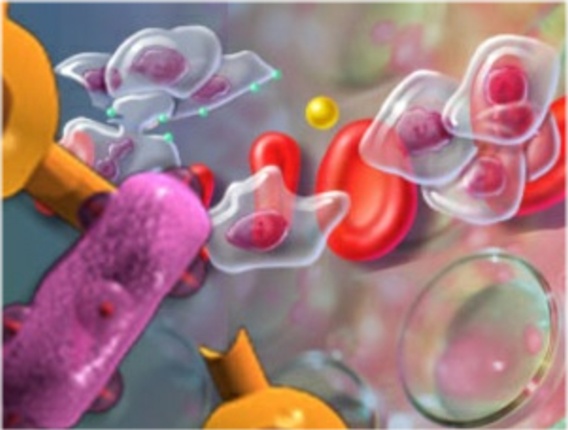
A team of Vanderbilt University Medical Center investigators say they have cracked one of clinical medicine's enduring mysteries – namely, why the once-effective tuberculosis vaccine no longer prevents the bacterial lung infection that kills more than 1.7 million people worldwide each year. 

The solution could lead to an improved TB vaccine and also may offer a novel platform for vaccines against other pathogens. 

The current TB vaccine, known as BCG (bacille Calmette-Guérin), has been around since the 1920s. It was made by weakening (attenuating) a strain of bacteria that causes tuberculosis in cows and that genetically is 98 percent identical to the human TB germ. 
The secret to any good recipe is knowing how things happen in a system and the recipe for diseases is no different.  Many diseases have crucial proteins which change the dynamics of cells from benign to deadly. New findings from an international collaboration involving McGill University, the Research Institute of the McGill University Health Centre (MUHC) and the Human Proteome Organisation (HUPO) just made identifying these changes one step easier. Their findings published in Nature Methods, show how to improve protein analysis to tease out relevant potential disease-causing molecules.
Since April 15 and 17, 2009, when the first two cases of novel influenza A (H1N1) infection were identified from two southern California counties, novel influenza A (H1N1) cases have been documented throughout the world, with most cases occurring in the United States and Mexico.

In the United States, early reports of illnesses associated with novel influenza A (H1N1) infection indicated the disease might be similar in severity to seasonal influenza, with the majority of patients not requiring hospitalization and only rare deaths reported, generally in persons with underlying medical conditions.