Banner
Object-Based Processing: Numbers Confuse How We Perceive Spaces

Researchers recently studied the relationship between numerical information in our vision, and...

Males Are Genetically Wired To Beg Females For Food

Bees have the reputation of being incredibly organized and spending their days making sure our...

The Scorched Cherry Twig And Other Christmas Miracles Get A Science Look

Bleeding hosts and stigmatizations are the best-known medieval miracles but less known ones, like ...
$0.50 Pantoprazole For Stomach Bleeding In ICU Patients Could Save Families Thousands Of Dollars

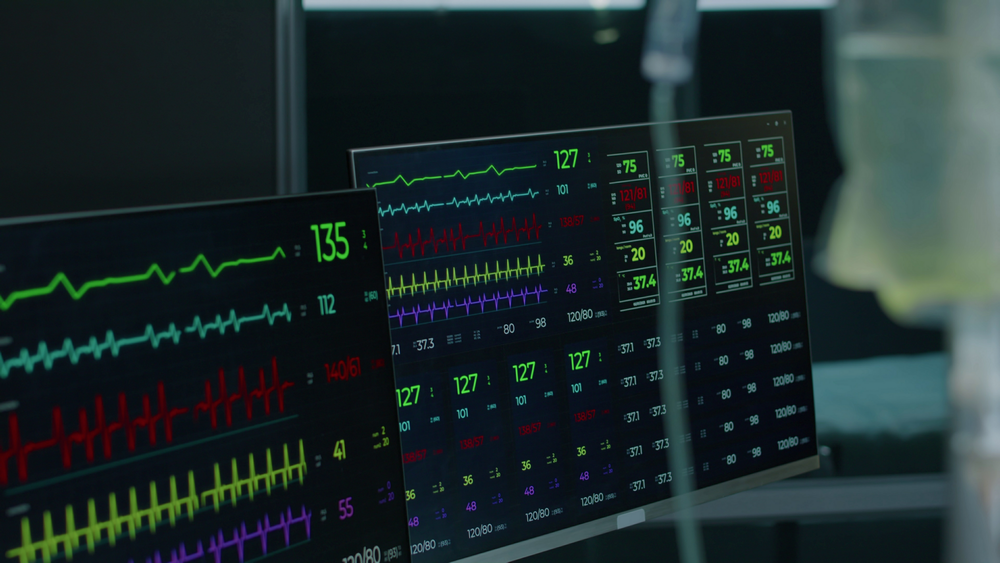
The inexpensive medication pantoprazole prevents potentially serious stomach bleeding in critically...

User picture.
News StaffRSS Feed of this column.

News Releases From All Over The World, Right To You... Read More »

Blogroll
Microbiologists from the University of Essex have shown they can break down and remove toxic compounds from crude oil and tar sands using microbes. These acidic compounds persist in the environment, taking up to 10 years to break down.

Tar sand deposits contain the world’s largest supply of oil. With dwindling supplies of high quality light crude oil, oil producers are looking towards alternative oil supplies such as heavy crude oils and super heavy crudes like tar sands. However, the process of oil extraction and subsequent refining produces high concentrations of toxic by-products.
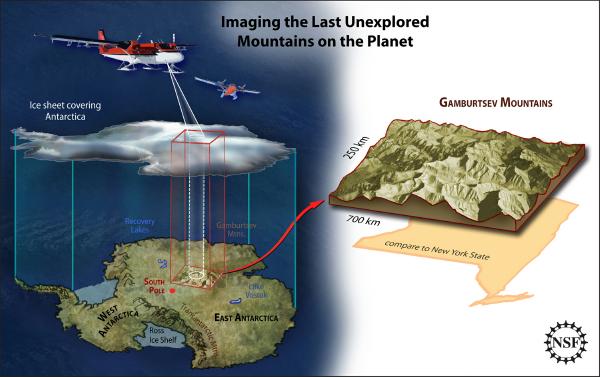
An international team of scientists has not only verified the existence of a mountain range that is suspected to have caused the massive East Antarctic Ice Sheet to form, but also has created a detailed picture of the rugged landscape buried under more than four kilometers (2.5 miles) of ice.
You've heard the saying that money won't buy happiness; of course, that is true though some of it is also sweet lemons rationalization.   

So why is it that so many special interest groups insist they need more money or special treatment in order to be happy?   

Professor Mariano Rojas from Mexico's Facultad Latinoamericana de Ciencias Sociales  agrees and says that public policy programs aiming to tackle poverty need to move beyond simply raising people's income - because there's more to quality of life than money.
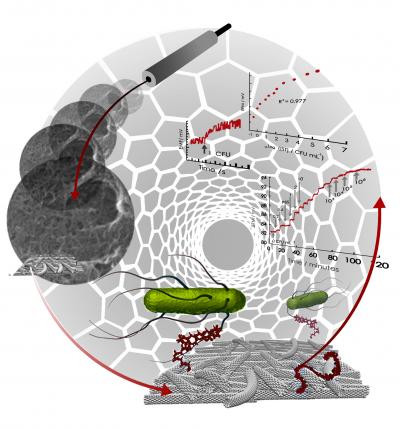
Salmonella typhi, the bacteria that causes typhoid fever, is obviously dangerous, with some 13 million people contracting typhoid fever annually,  fatally for 500,000 of them.

Sanitation is the primary cause.   For Americans there are under 500 fewer cases per year, most of those coming from visits to Mexico and South America.   It is also more common in India, Pakistan, and Egypt.
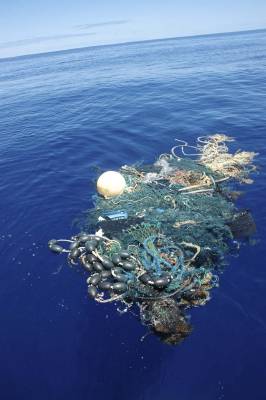
You know there's a lot of garbage floating around out there when it gets a name like "Great Pacific Ocean Garbage Patch." 

Scripps Environmental Accumulation of Plastic Expedition (SEAPLEX) researchers decided to find out if it lived up to its moniker.  

It wasn't a pretty sight.

The Scripps research vessel (R/V) New Horizon left its San Diego homeport on August 2, 2009, for the North Pacific Ocean Gyre, located some 1,000 miles off California's coast, and returned on August 21, 2009.  They surveyed plastic distribution and abundance, taking samples for analysis in the lab and assessing the impacts of debris on marine life.
Bacteria that manufacture hydroxyapatite (HA) could be used to make stronger, more durable bone implants. Professor Lynne Macaskie from the University of Birmingham this week (7-10 September) presented work to the Society for General Microbiology’s meeting at Heriot-Watt University, Edinburgh.

Using Serratia bacteria, the research showed that the bacterial cells stuck tightly to surfaces such as titanium alloy, polypropylene, porous glass and polyurethane foam by forming a biofilm layer containing biopolymers that acted as a strong adhesive. The HA coating then builds up over the surface. For practical use, the HA layer must stick tightly, then the material is dried and heated to destroy the bacteria.