Sherlock Holmes used a variety of tools to deduce what he needed to know about people in general and criminals in specific. It turns out he could learn a lot by how people act in a virtual reality setting playing a form of 'hide and seek', say two University of Alberta researchers.
Experimental psychologist Marcia Spetch and computer scientist Vadim Bulitko recently published an article in Learning and Motivation say they mapped the decision-making process involved in hiding and searching for objects, which could obviously lead to more realistic game environments and even new tools for law enforcement.
Protein S, a well-known anticoagulant protein, also contributes to the formation and function of healthy blood vessels, say researchers at the Salk Institute for Biological Studies. They found that mice lacking protein S suffered massive blood clots, but also had defective blood vessels that allow blood cells to leak into the surrounding tissue.
There are more than 200 known human mutations and polymorphisms in the gene coding for protein S, which was arbitrarily named after Seattle, the city of its discovery. The resulting deficiencies predispose carriers to deep venous thrombosis, strokes at an early age, recurrent miscarriages, and pre-eclampsia, and are associated with several autoimmune diseases, most prominently systemic lupus erythematosus.
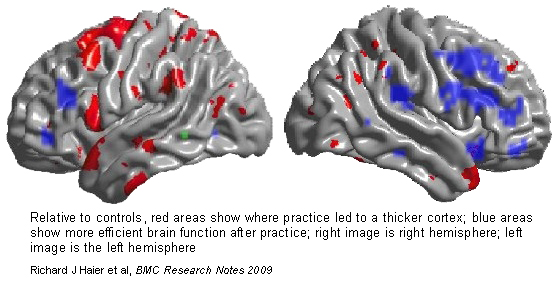
The magic of brain imaging has allowed researchers to correlate a thicker cortex in Tetris players with increased brain efficiency due to ... playing Tetris. The researchers from Mind Research Network in Albuquerque writing in BMC Research Notes used brain imaging and Tetris to investigate whether practice makes the brain efficient because it increases gray matter.
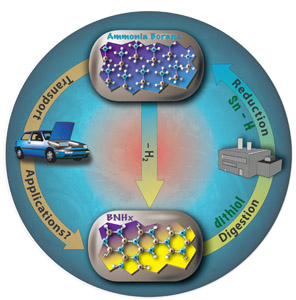
A new method for 'recycling' hydrogen-containing fuel materials could open the door to economically viable hydrogen-based vehicles, according to research in an article appearing today in Angewandte Chemie.
Hydrogen has long been considered an ideal fuel for transportation; it is abundant and can be used to run a fuel cell, which is much more efficient than internal combustion engines, and that also eliminates the formation of gaseous byproducts that are detrimental to the environment.
Numerous studies have outlined the benefits of
omega-3 fatty acids but recommendations on how much you should get by people not trying to sell you something are less common. A team of French scientists say they have found the dose of DHA - docosahexaenoic acid, found in cold water fatty fish and fish oil supplements - that is "just right" for preventing cardiovascular disease in healthy men.
Every week you probably see papers ( here and elsewhere) reporting the discovery of new genetic variants that affect the risk of coronary artery disease and heart attacks.
It's an exciting time and the findings will undoubtedly lead to new biological insights into the mechanisms that cause heart attacks, which in turn may result in new types of treatments, but how much value is there to it individually now? Is 'personalized medicine' for heart attacks on the way?


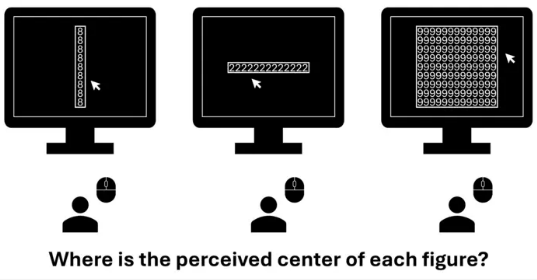 Object-Based Processing: Numbers Confuse How We Perceive Spaces
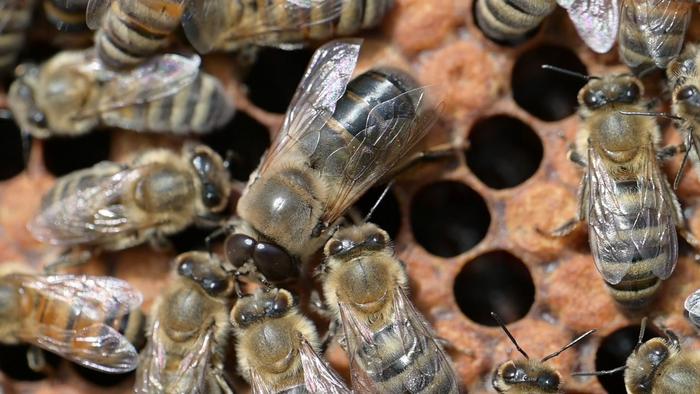 Males Are Genetically Wired To Beg Females For Food
 The Scorched Cherry Twig And Other Christmas Miracles Get A Science Look
 $0.50 Pantoprazole For Stomach Bleeding In ICU Patients Could Save Families Thousands Of Dollars