Banner
Ousiometrics Analysis Says All Human Language Is Biased

A new tool drawing on billions of uses of more than 20,000 words and diverse real-world texts claims...

Wavelengths Of Light Are Why CO2 Cools The Upper Atmosphere But Warms Earth

There are concerns about projected warming on the Earth’s surface and in the lower atmosphere...

Here's Where Your Backyard Was 300 Million Years Ago

We may use terms like "grounded" and terra firma to mean stability and consistency but geology...

Convergent Evolution Cheat Sheet Now 120 Million Years Old

One tenet of natural selection is a random walk of genes but nature may be more predictable than...

User picture.
News StaffRSS Feed of this column.

News Releases From All Over The World, Right To You... Read More »

Blogroll

Raloxifene is a U.S. Food and Drug Administration (FDA)-approved treatment for decreasing fracture risk in osteoporosis and it is effective at reducing fracture risk, but only partially by suppressing bone loss.

With the use of wide- and small-angle x-ray scattering (WAXS and SAXS, respectively), researchers carried out experiments at the U.S. Department of Energy's (DOE's) Advanced Photon Source (APS) at Argonne National Laboratory that revealed an additional mechanism underlying raloxifene action, providing an explanation for how this drug can achieve equivalent clinical benefit.

These data, together with complementary techniques, help define a novel mechanism by which raloxifene increases inherent bone toughness.

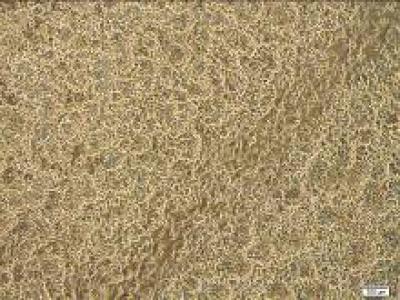
Some research has indicated that salt might alter the autoimmune response, which is implicated in the development of multiple sclerosis (MS), but it is not clear if it has any direct effect on the course of the disease itself.

FK506 possesses a well-studied neuroregenerative effect, stimulating neurite extension in the presence of nerve growth factor in vitro, and enhancing nerve regeneration following nerve crush injury and isografting.

The use of FK506 to stimulate nerve regeneration is limited because of the risk of renal failure and hypertension, and its considerable cost. 

With long-term allografts, FK506 alone or combined with other drugs reportedly cause life-threatening infections. Like FK506, rapamycin is an immunosuppressant and FKBP-12-binding ligand, and has a neuroregenerative effect in vitro.

In almost 20 years, China's Research  &  Development (R&D) expenditure as a percentage of its gross domestic product has more than tripled, reaching 1.98 percent in 2012. 

That is a big improvement, it surpasses all 28 countries that make up the European Union, which collectively managed 1.96 percent. But where is the money going? 

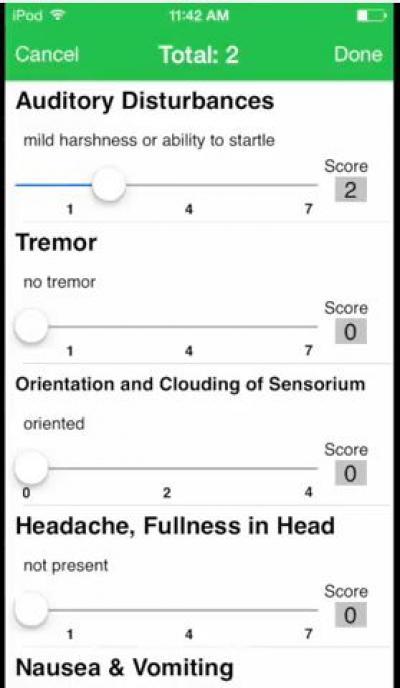
A middle aged, male, investment banker arrives at the emergency department with complaints of nausea, vomiting, anxiety and tremor. At business lunches and then at home every evening, he was drinking too much so, worried about his health, he decided to quit drinking and had his last Scotch 24 hours before coming to the emergency room.

It's a common scenario in emergency rooms - a patient suddenly stops regular, excessive alcohol consumption and develops withdrawal symptoms.

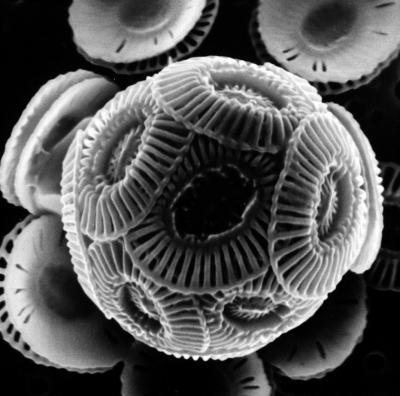
Some species of marine phytoplankton, such as the prolific bloomer Emiliania huxleyi, can grow without consuming vitamin B1 (thiamine), which contradicts the common view that E. huxleyi and many other eukaryotic microbes depend on scarce supplies of thiamine in the ocean to survive.

All living creatures need thiamine to live, as well as other vitamins. Organisms may produce some of their own vitamins, the way that human cells create vitamin D with help from sunlight, but sometimes they rely on other organisms to produce the vitamins they need and then consume them. For example, oranges and other fruits produce vitamin C, which humans need in their diets.