Banner
Ousiometrics Analysis Says All Human Language Is Biased

A new tool drawing on billions of uses of more than 20,000 words and diverse real-world texts claims...

Wavelengths Of Light Are Why CO2 Cools The Upper Atmosphere But Warms Earth

There are concerns about projected warming on the Earth’s surface and in the lower atmosphere...

Here's Where Your Backyard Was 300 Million Years Ago

We may use terms like "grounded" and terra firma to mean stability and consistency but geology...

Convergent Evolution Cheat Sheet Now 120 Million Years Old

One tenet of natural selection is a random walk of genes but nature may be more predictable than...

User picture.
News StaffRSS Feed of this column.

News Releases From All Over The World, Right To You... Read More »

Blogroll

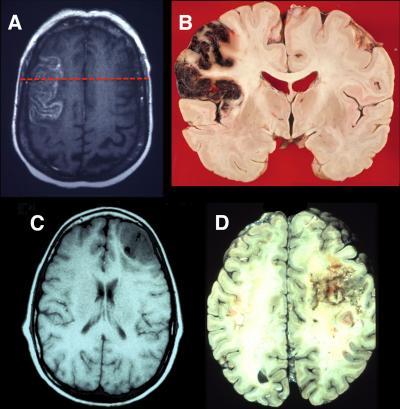
Until the last few decades, the frontal lobes of the brain were shrouded in mystery and erroneously thought of as nonessential for normal function—hence the frequent use of lobotomies in the early 20th century to treat psychiatric disorders. A review in Neuron highlights studies of patients with brain damage that reveal how distinct areas of the frontal lobes are critical for a person's ability to learn, multitask, control their emotions, socialize, and make real-life decisions. 

Although separated by hundreds of millions of years of evolution, flies, worms, and humans share ancient patterns of gene expression and it's all in our genomic data.

Three related studies in Nature, tell a similar story: even though humans, worms, and flies bear little obvious similarity to each other, evolution used remarkably similar molecular toolkits to shape them.

There are dramatic differences between species in genomic regions populated by pseudogenes, molecular fossils of working genes, according to Yale authors in Proceedings of the National Academy of Sciences.

Learning a new skill is easier when it is related to an ability we already have. For example, a trained pianist can learn a new melody easier than learning how to hit a tennis serve.

Scientists from the Center for the Neural Basis of Cognition (CNBC) have discovered a fundamental constraint in the brain that may explain why this happens. Writing in Nature, they say that there are limitations on how adaptable the brain is during learning and that these restrictions are a key determinant for whether a new skill will be easy or difficult to learn. Understanding the ways in which the brain's activity can be "flexed" during learning could eventually be used to develop better treatments for stroke and other brain injuries.

The next time you get really mad, take a look in the mirror. See that lowered brow, the thinned lips and the flared nostrils? That's what social scientists call the "anger face," and they believe it is part of our basic biology as humans.

There is a reason alternative medicine has an adjective in front of it - it can't survive double-blind clinical trials the way medicine has.

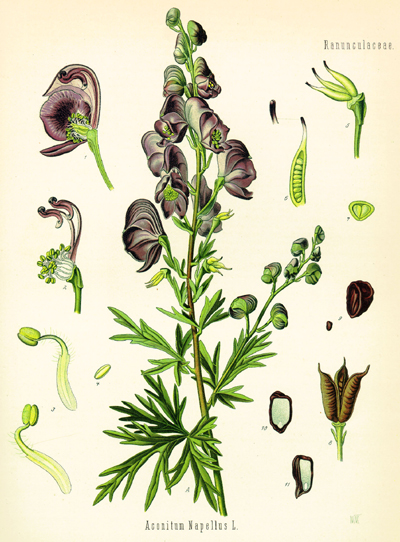
But at least it isn't harmful. In most cases. However, aconite, a class of plant that is also known as wolfsbane or devil's helmet and is in a poisonous genus of the buttercup family, recently led to facial tingling and numbness within minutes of ingesting, followed by nausea, vomiting, diarrhea and abdominal pain 30 minutes later. 

The herbal preparation by a Chinese herbal medication practitioner in Melbourne for back pain resulted in life-threatening heart changes, lead to new calls to educated the public and warn practitioners who prescribe "complementary" treatments instead of medication.

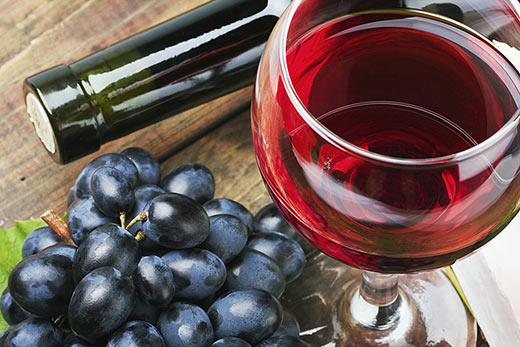
A chronic problem in wine making is when yeast that should be busily converting grape sugar into alcohol and carbon dioxide prematurely shuts down, leaving the remaining sugar to instead be consumed by bacteria that can spoil the wine.