Banner
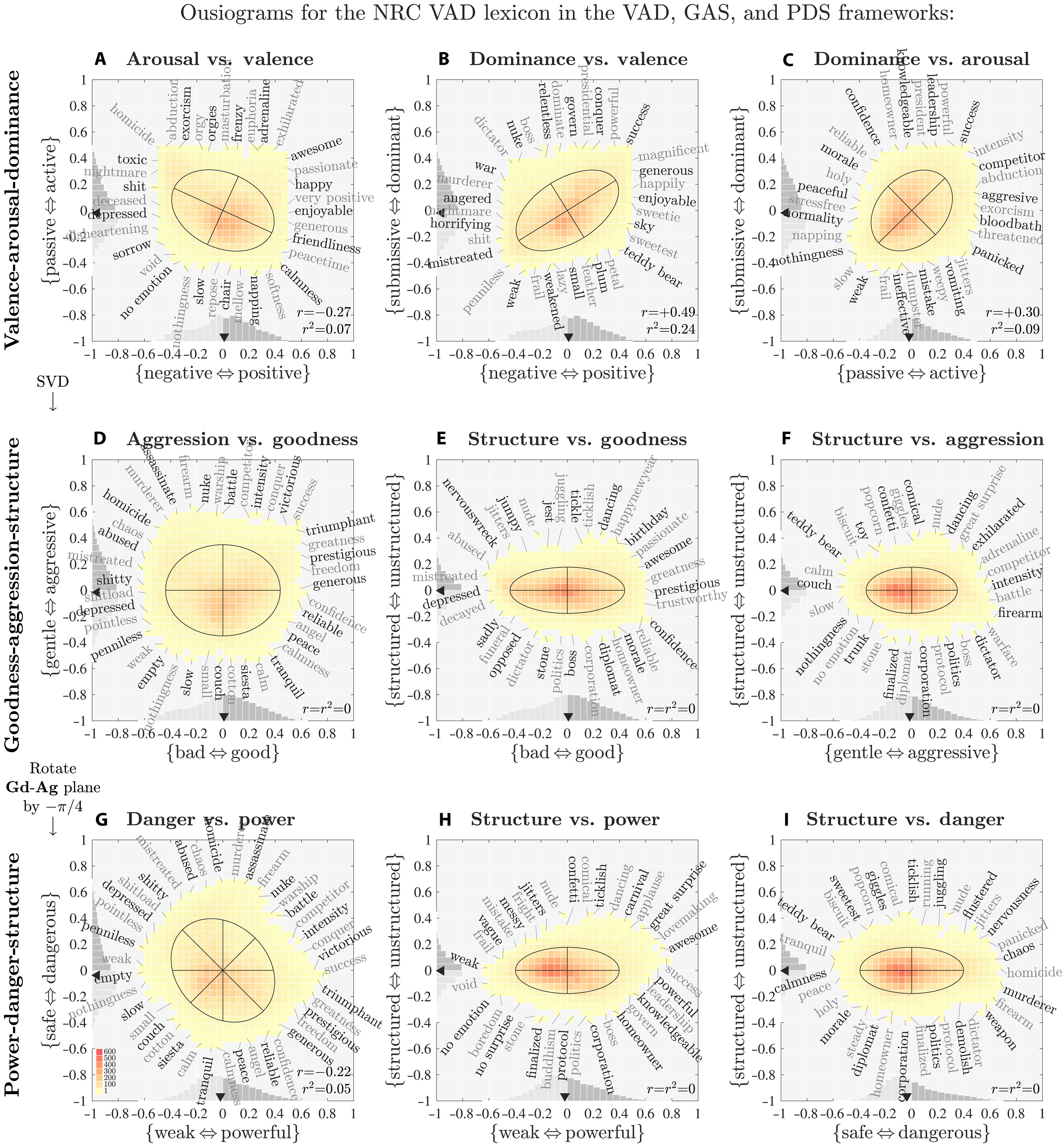
Ousiometrics Analysis Says All Human Language Is Biased

A new tool drawing on billions of uses of more than 20,000 words and diverse real-world texts claims...
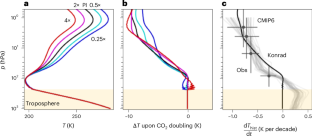
Wavelengths Of Light Are Why CO2 Cools The Upper Atmosphere But Warms Earth

There are concerns about projected warming on the Earth’s surface and in the lower atmosphere...

Here's Where Your Backyard Was 300 Million Years Ago

We may use terms like "grounded" and terra firma to mean stability and consistency but geology...

Convergent Evolution Cheat Sheet Now 120 Million Years Old

One tenet of natural selection is a random walk of genes but nature may be more predictable than...

User picture.
News StaffRSS Feed of this column.

News Releases From All Over The World, Right To You... Read More »

Blogroll

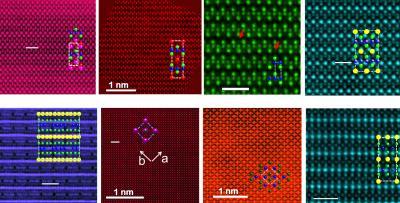
New measurements of atomic-scale magnetic behavior in iron-based superconductors are challenging conventional wisdom about superconductivity and magnetism. 

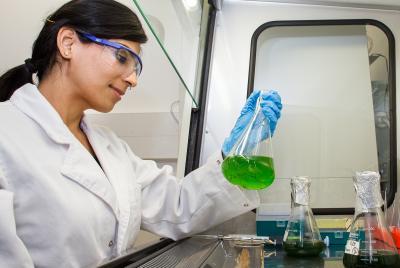
Water is abundant and so is sunlight, and using them to create hydrogen makes sense for a cleaner energy future, where biological systems powered by sunlight can manufacture hydrogen to use as fuel.

The way that plants produce hydrogen by splitting water has been poorly understood but answers are getting closer. A research team created a protein which, when exposed to light, displays the "electrical heartbeat" that is the key to photosynthesis. 

The system uses a naturally-occurring protein and does not need batteries or expensive metals, meaning it could be affordable in developing countries. 

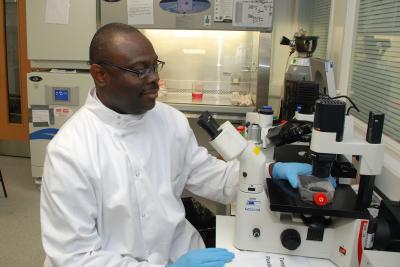
Alzheimer's disease can be slowed and some of its symptoms curbed by punicalagin, a natural compound, found in pomegranate, according to a  study in Molecular Nutrition and Food Research.

Alzheimer's affects up to 44.4 million people globally. 

The two-year project headed by University of Huddersfield scientist Dr. Olumayokun Olajide also found that the painful inflammation that accompanies illnesses such as rheumatoid arthritis and Parkinson's disease could be reduced.

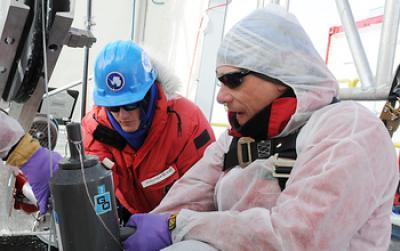
Humans don't want to live above the West Antarctic ice sheet but microbes can certainly live below it, according to a new study. Even half a mile below it.

The waters and sediments of a lake 2,600 feet beneath the surface of the West Antarctic ice sheet support "viable microbial ecosystems", according to recent results. Given that more than 400 subglacial lakes and numerous rivers and streams are thought to exist beneath the Antarctic ice sheet, such ecosystems may be widespread and may influence the chemical and biological composition of the Southern Ocean, the vast and biologically productive sea that encircles the continent.

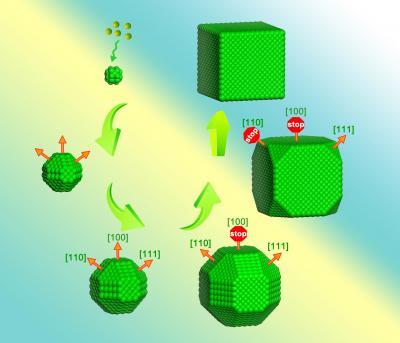
The first direct observations of how facets form and develop on platinum nanocubes reveals that a nearly 150 year-old scientific law describing crystal growth breaks down at the nanoscale.

The researchers behind a new study used transmission electron microscopes and an advanced high-resolution, fast-detection camera to capture the physical mechanisms that control the evolution of facets – flat faces – on the surfaces of platinum nanocubes formed in liquids.

Understanding how facets develop on a nanocrystal is critical to controlling the crystal's geometric shape, which in turn is critical to controlling the crystal's chemical and electronic properties.

Researchers have developed a new process which will greatly simplify the process of sorting plastics in recycling plants by enabling automated identification of polymers and facilitating rapid separation of plastics for re-use.