Banner
Ousiometrics Analysis Says All Human Language Is Biased

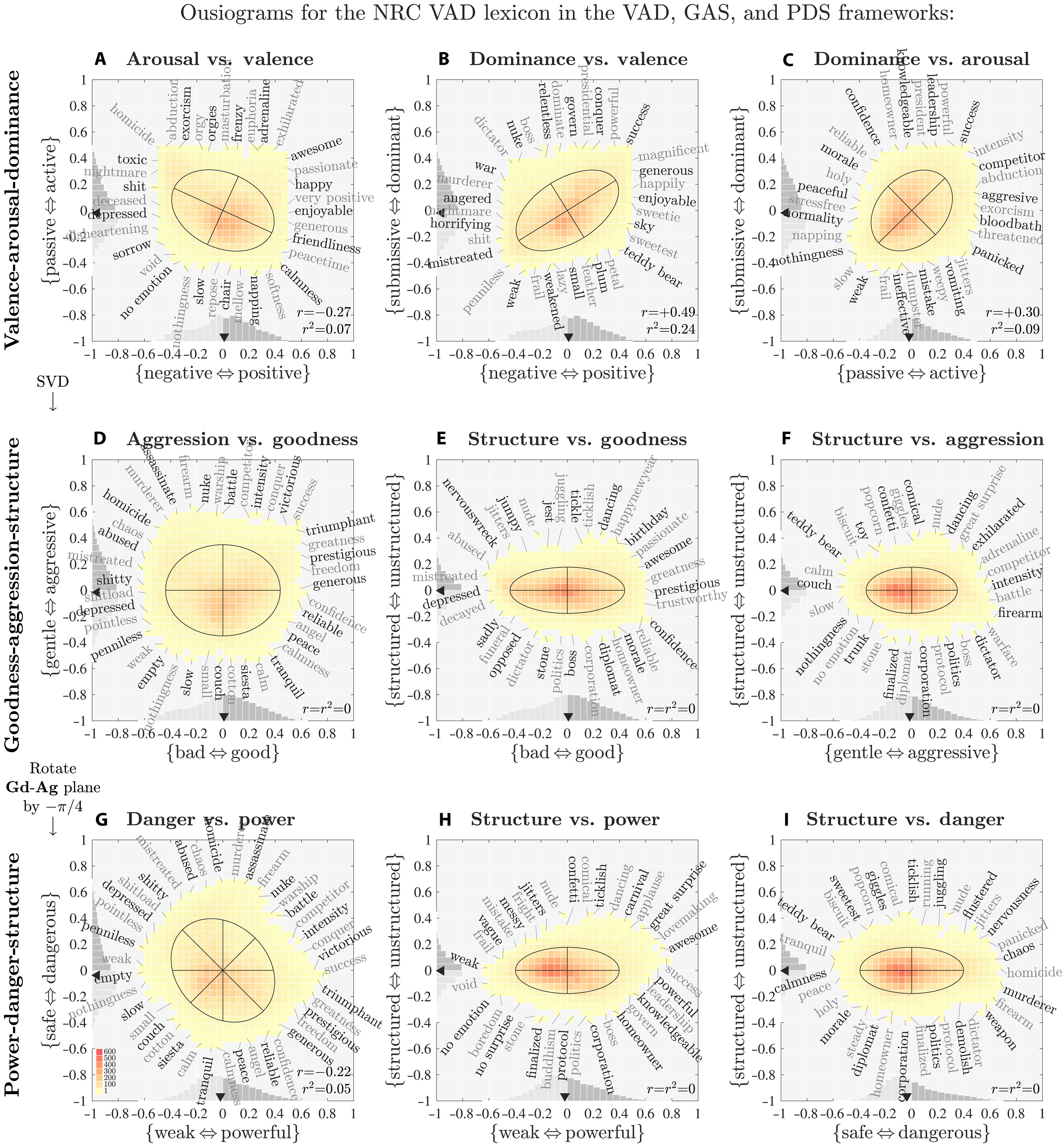
A new tool drawing on billions of uses of more than 20,000 words and diverse real-world texts claims...
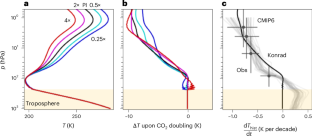
Wavelengths Of Light Are Why CO2 Cools The Upper Atmosphere But Warms Earth

There are concerns about projected warming on the Earth’s surface and in the lower atmosphere...

Here's Where Your Backyard Was 300 Million Years Ago

We may use terms like "grounded" and terra firma to mean stability and consistency but geology...

Convergent Evolution Cheat Sheet Now 120 Million Years Old

One tenet of natural selection is a random walk of genes but nature may be more predictable than...

User picture.
News StaffRSS Feed of this column.

News Releases From All Over The World, Right To You... Read More »

Blogroll

In Switzerland, 7,000 to 8,000 persons each year fall ill with a campylobacter infection, making it the most frequent bacterial disease transmitted through food.

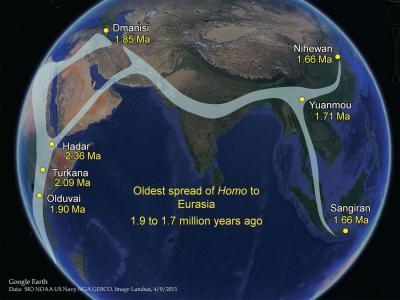
Many traits unique to humans are thought to have originated in the genus Homo between 2.4 and 1.8 million years ago in Africa.

What are the evolutionary factors that drove them?

A large brain, long legs, the ability to craft tools and prolonged maturation periods were all thought to have evolved together at the start of the Homo lineage as African grasslands expanded and Earth's climate became cooler and drier. However, new climate and fossil evidence analyzed by a team of researchers suggests that these traits did not arise as a single package. Rather, several key ingredients once thought to define Homo evolved in earlier Australopithecus ancestors between 3 and 4 million years ago, while others emerged significantly later.

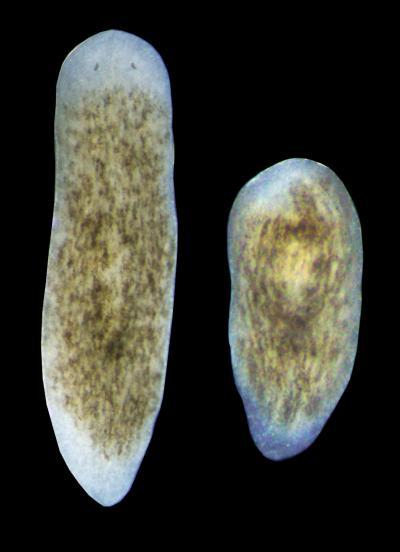
Researchers have announced the discovery of a gene, zic-1, that enables stem cells to regrow a head after decapitation in flatworm planarians.

The earthquakes in central Oklahoma since 2009 are likely attributable to subsurface wastewater injection at a handful of disposal wells -
Oklahoma earthquakes constitute nearly half of all central and eastern U.S. seismicity from 2008 to 2013, many occurring in areas of high-rate water disposal.

These are legacy drilling operations, not modern natural gas fracking.

The reduction of soil carbon stock caused by the conversion of pasture areas into sugarcane plantations is very common change in Brazil in recent years but those worried about the impact on CO2 can rest easy. It can  be offset within two or three years of cultivation.

The calculation by researchers at the Center for Nuclear Energy in Agriculture (CENA) of the University of São Paulo (USP) in collaboration with colleagues from the Luiz de Queiroz College of Agriculture (Esalq), also at USP, concluded, "Soil carbon stocks on land-use change process to sugarcane production in South-Central Brazil."

Acoustic vibrations – sound waves – are produced by radiation pressure inside stars. While physicists have long posited that young stars vibrate differently than older stars, a new study says it is the first to confirm these predications using concrete data from outer space. 

First author Konstanze Zwintz, a postdoctoral researcher at KU Leuven's Institute for Astronomy, and her colleagues studied the vibrations of 34 stars aged under 10 million years and sized between one and four times the mass of our sun.