Banner
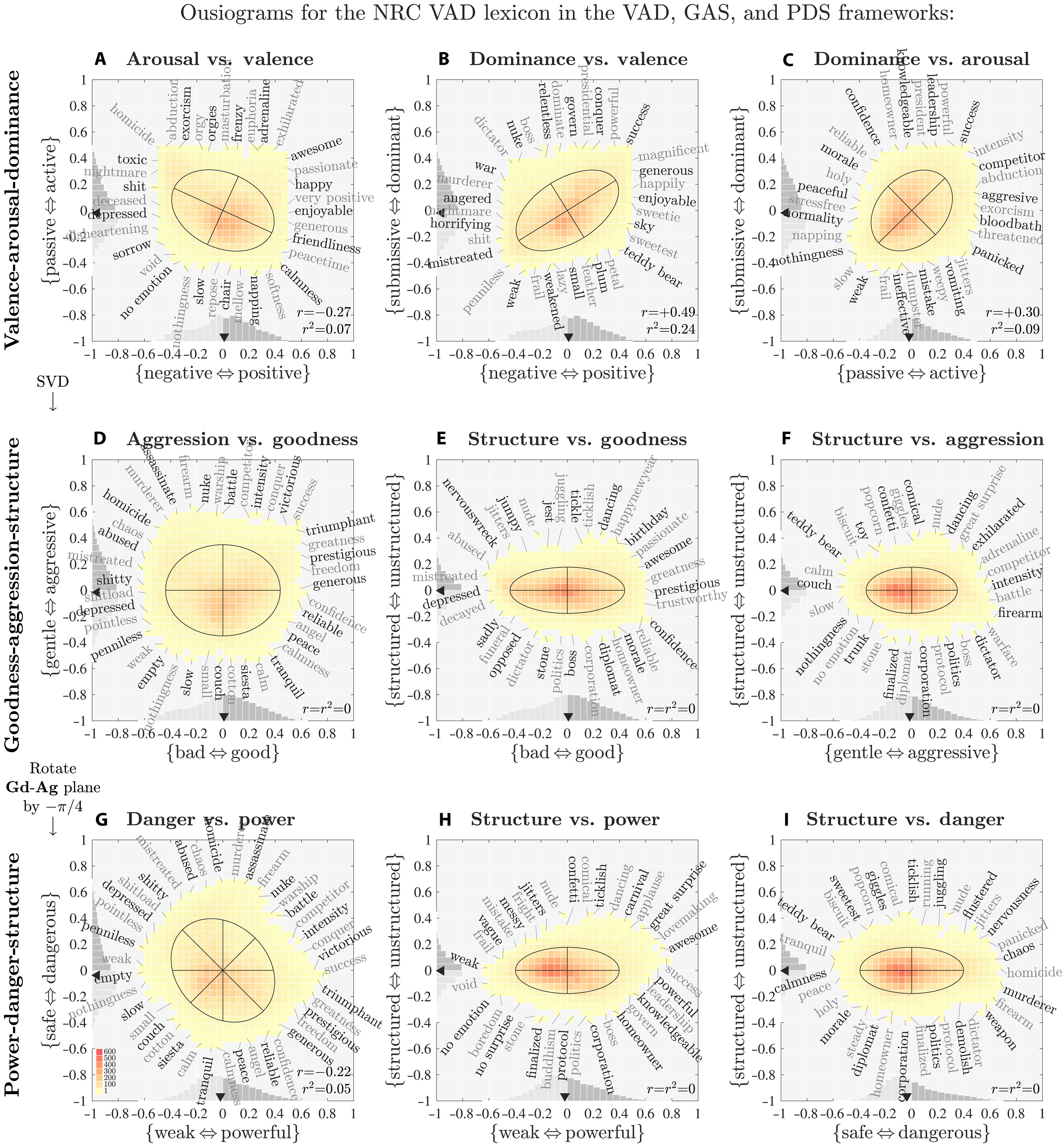
Ousiometrics Analysis Says All Human Language Is Biased

A new tool drawing on billions of uses of more than 20,000 words and diverse real-world texts claims...
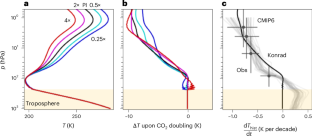
Wavelengths Of Light Are Why CO2 Cools The Upper Atmosphere But Warms Earth

There are concerns about projected warming on the Earth’s surface and in the lower atmosphere...

Here's Where Your Backyard Was 300 Million Years Ago

We may use terms like "grounded" and terra firma to mean stability and consistency but geology...

Convergent Evolution Cheat Sheet Now 120 Million Years Old

One tenet of natural selection is a random walk of genes but nature may be more predictable than...

User picture.
News StaffRSS Feed of this column.

News Releases From All Over The World, Right To You... Read More »

Blogroll

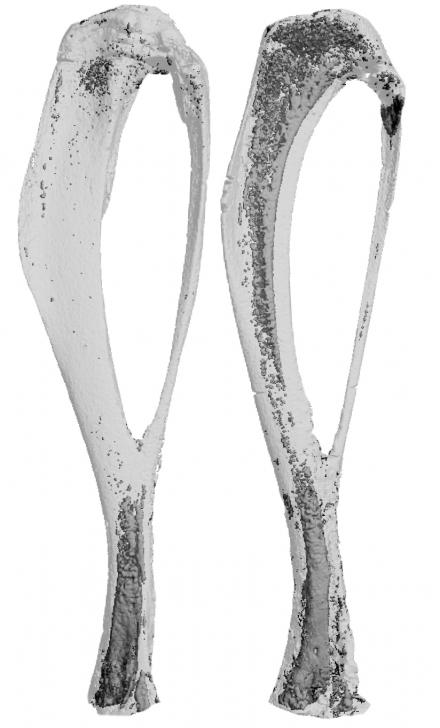
You know why soup tastes good - and your dogs love it too. It's bone marrow fat. Now it may be healthier to eat delicious.

A study has found that the fat tissue in bone marrow is a significant source of the hormone adiponectin, which helps maintain insulin sensitivity, break down fat, and has been linked to decreased risk of cardiovascular disease, diabetes, and obesity-associated cancers. 

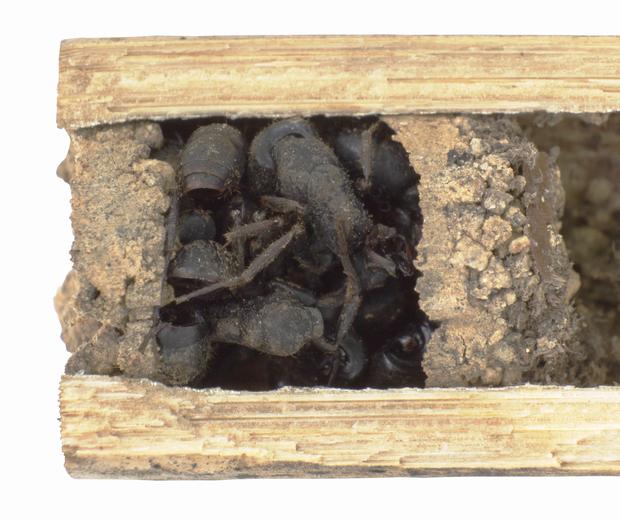
Want to send a message to possible invaders? Pile dead bodies high and deep. A new species of wasp does just that.

This wasp with a unique nest-building strategy was discovered in the forests of southeast China. The "bone-house wasp" shuts off its nest with a chamber full of dead ants in order to protect its offspring from enemies, as shown by Michael Staab and Prof. Dr. Alexandra-Maria Klein from the Institute of Earth and Environmental Sciences of the University of Freiburg as well as scientists from the Museum für Naturkunde Berlin and the Chinese Academy of Sciences in Beijing.

No other such strategy has ever been discovered before in the animal kingdom. 

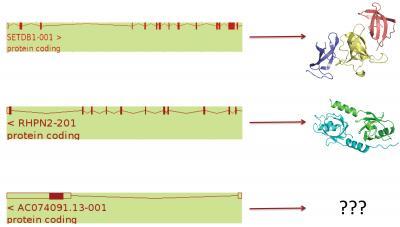
The human genome and the messages coded by 3 billion letters that determine everything from how nutrients are metabolized to how neurons communicate in the brain.

The detection and characterization of the genes present in this mass of information is a complex task that has been a source of ongoing debate since the Human Genome Project completed its first mission. It's even unclear how many genes there are.

Iron is one of the essential elements of life. Found in enzymes like myoglobin and hemoglobin and cytochrome P450, iron is an essential cog in the biomachinery of every living cell. 

Iron is present in tiny concentrations in seawater. On the order of a few billionths of a gram in a liter.  Given that there is so little iron in seawater, one might conclude that its presence there is inconsequential, but its scarcity in the ocean, the earth's wellspring of life, only magnifies its importance. 

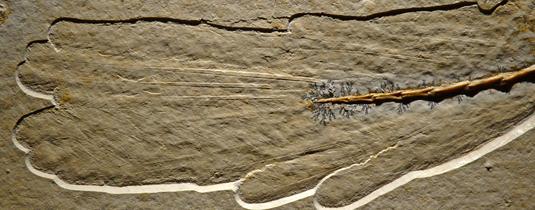
Paleontologists of Ludwig-Maximilians-Universitaet in Munich studying a new specimen of Archaeopteryx have found previously unknown features of the plumage, which shed light on the original function of feathers and their recruitment for flight. 

Dyslexic adults in a representative sample of 13,054 adults aged 18 and over in the 2005 Canadian Community Health Survey included 1,020 respondents who reported that they had been physically abused during their childhood and 77 who reported that they had been diagnosed by a health professional with dyslexia. 

That translates to 35 percent of Canadian adults with dyslexia reporting they were physically abused before they turned 18. In contrast, 7 percent of those without dyslexia reported that they had experienced childhood physical abuse.