Banner
Ousiometrics Analysis Says All Human Language Is Biased

A new tool drawing on billions of uses of more than 20,000 words and diverse real-world texts claims...

Wavelengths Of Light Are Why CO2 Cools The Upper Atmosphere But Warms Earth

There are concerns about projected warming on the Earth’s surface and in the lower atmosphere...

Here's Where Your Backyard Was 300 Million Years Ago

We may use terms like "grounded" and terra firma to mean stability and consistency but geology...

Convergent Evolution Cheat Sheet Now 120 Million Years Old

One tenet of natural selection is a random walk of genes but nature may be more predictable than...

User picture.
News StaffRSS Feed of this column.

News Releases From All Over The World, Right To You... Read More »

Blogroll
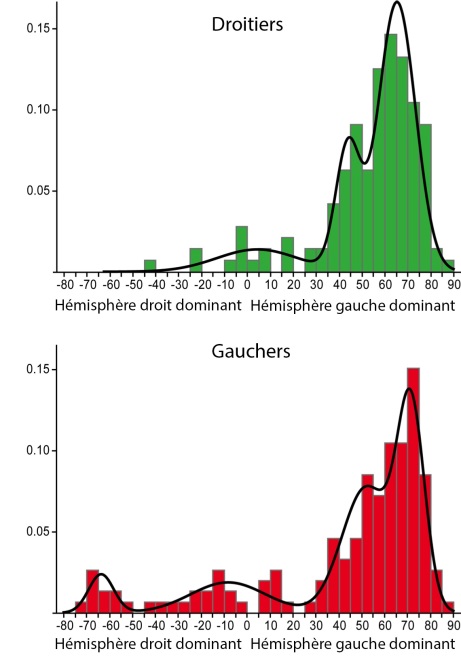
Using a large psychometric and brain imaging database, researchers in the Groupe d'Imagerie Neurofonctionnelle (CNRS/CEA/Université de Bordeaux) say they have determined that the location of language areas in the brain is independent of left- or right-handedness, except for a very small proportion of left-handed individuals whose right hemisphere is dominant for both manual work and language. 
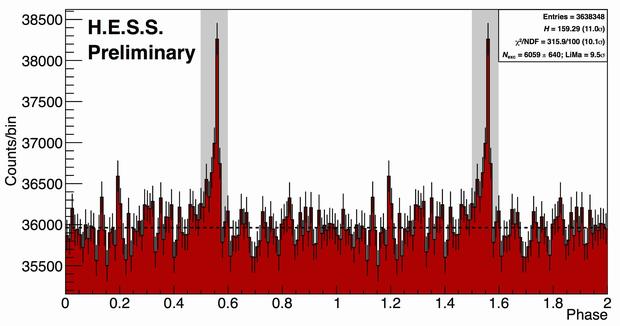
The HESS-II (High Energy Stereoscopic System) telescope in Namibia has detected gamma rays of only 30 Giga electron volts (GeV) from the Vela pulsar, the first pulsar to be detected by HESS and the second to be spotted by ground-based gamma ray telescopes. 

The HESS experiment in Namibia is the first Cherenkov system with telescopes of different sizes detecting cosmic TeV gamma rays in sync. A fifth 28-meter telescope, placed at the center of the other four 12-meter telescopes, lowers the energy range under study down to 30 GeV. HESS-II has passed the firing test because scientists have detected a pulsed gamma-ray signal in the energy range of 30 GeV, which they attribute to the Vela pulsar. This paves the way for new observation possibilities of the inner Galaxy.

25 percent of people who look obese are metabolically healthy and don't have a high risk of developing type 2 diabetes, even though obesity is a major risk factor for diabetes.

A study finds a possible explanation, revealing that high levels of a molecule called heme oxygenase-1 (HO-1) are linked to poor metabolic health and an increased risk of type 2 diabetes in obese humans. Moreover, HO-1 inhibition improves metabolic health in obese mice, suggesting that HO-1 blockers could represent a promising new strategy for the treatment of metabolic disease.

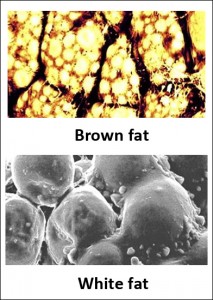
The body contains two types of fat cells, white and brown.

White fat serves to store excess calories until they're needed by the body while brown adipocytes actually burn fat by turning it into heat. Ever since it was discovered that adult humans harbor appreciable amounts of brown fat, investigators have been working to better understand its thermogenic fat-burning properties with the ultimate goal of developing novel therapies to combat obesity and diabetes. 

Now, researchers have demonstrated that the transcription factor IRF4 (interferon regulatory factor 4) plays a key role in brown fat's thermogenic process, regulating energy expenditure and cold tolerance.  

Many ancient plants weren't pretty, they didn't taste good, and they weren't big - but they could defend themselves.

As food science progressed, numerous plants were genetically optimized for better flavor and yield, but some lost their ability to produce certain defense chemicals, making them vulnerable to attack by insects and pathogens. Swiss scientists are exploring ways to help protect 21st century maize by re-arming it with its ancestral chemical weapons.  

For hibernating mammals, the pre-winter months are a race to accumulate enough energy reserves to last until spring.

But what about offspring born late in the year? They have less time to store energy. Austrian scientists have discovered that power-napping can help late-born dormice overcome these unfavorable odds.