Banner
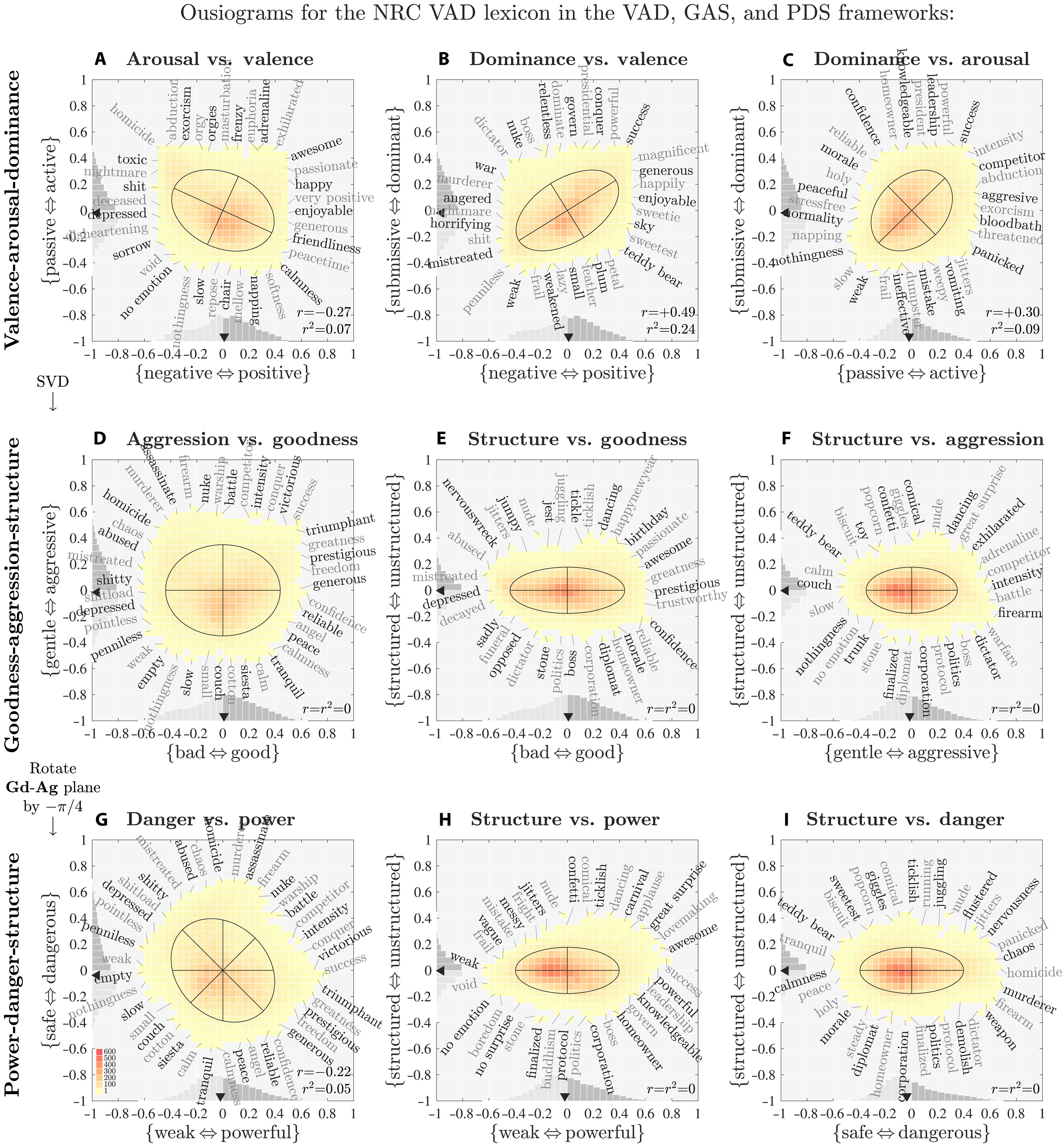
Ousiometrics Analysis Says All Human Language Is Biased

A new tool drawing on billions of uses of more than 20,000 words and diverse real-world texts claims...
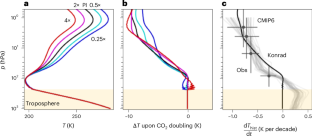
Wavelengths Of Light Are Why CO2 Cools The Upper Atmosphere But Warms Earth

There are concerns about projected warming on the Earth’s surface and in the lower atmosphere...

Here's Where Your Backyard Was 300 Million Years Ago

We may use terms like "grounded" and terra firma to mean stability and consistency but geology...

Convergent Evolution Cheat Sheet Now 120 Million Years Old

One tenet of natural selection is a random walk of genes but nature may be more predictable than...

User picture.
News StaffRSS Feed of this column.

News Releases From All Over The World, Right To You... Read More »

Blogroll

Structural biologists have made important progress towards better understanding the functioning of the circadian clock. The circadian or inner clock coordinates the sleep-wake rhythm and many other body processes that regulate, for example, metabolism, blood pressure, and the immune system. A research team led by Professor Eva Wolf, recently appointed Professor of Structural Biology at the Institute of General Botany of Johannes Gutenberg University Mainz (JGU) and Adjunct Director at the Institute of Molecular Biology (IMB), has for the first time identified the molecular structure of a protein complex that plays an important role in regulating the circadian rhythm.

The clinical promise of stem cells has been dampened by concerns that the immune system will reject the transplanted cells before they could render any long-term benefit.

Previous research in mice has suggested that even adult stem cells produced from a subject's own tissue, induced pluripotent stem (iPS) cells, can trigger an immune attack.

Now researchers at the Stanford University School of Medicine have found that differentiating iPS cells in the laboratory to become more-specialized progeny cells before transplantation into mice allows them to be tolerated by the body's immune system.

CHICAGO – People in the late stages of cancer and other terminal illnesses are not only unharmed by discontinuing statins for cholesterol management, they may benefit, according to a study presented Friday by researchers at Duke Medicine representing a national research network.

The finding addresses a thorny question in treating people with life-limiting illnesses: When, if ever, is it appropriate to discontinue medications prescribed for other conditions that will likely not lead to their death?

Boston, MA – The tangled highway of blood vessels that twists and turns inside our bodies, delivering essential nutrients and disposing of hazardous waste to keep our organs working properly has been a conundrum for scientists trying to make artificial vessels from scratch. Now a team from Brigham and Women's Hospital (BWH) has made headway in fabricating blood vessels using a three-dimensional (3D) bioprinting technique.

The study is published online this month in Lab on a Chip.

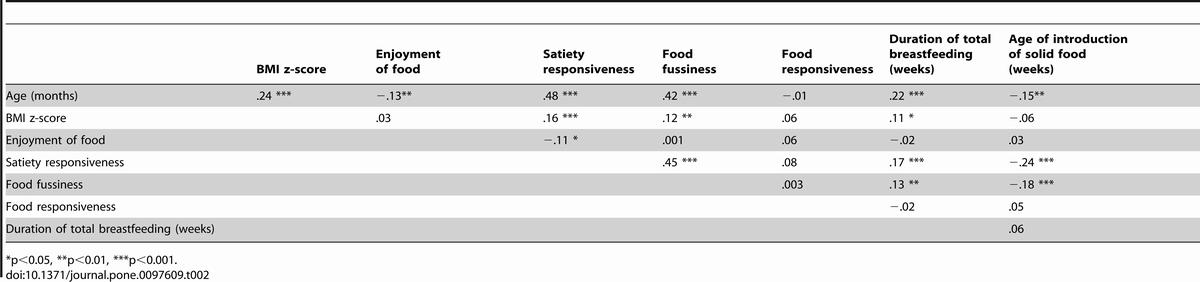
Exposing infants to a new vegetable early in life encourages them to eat more of it compared to offering novel vegetables to older children, say psychologists from the University of Leeds.

To advertisers, there is only one knock on the Science 2.0 audience; there are too many women.

Before we complain about the sexism of advertisers, we have to take the issue on its merits. When we think of technological innovation, we think of men. Is it because it's always been men due to a legacy culture or are men actually more innovative? Fashion designers don't advertise here because science is not their audience and technology companies don't advertise here because women are not their audience, yet we know women adopt technology.