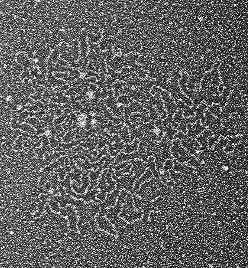
People with cystic fibrosis suffer repeated lung infections because their airway mucus is too thick and sticky to keep bacteria, viruses, and other pathogens from causing chronic infection. How mucus becomes abnormal in
cystic fibrosis
airways has never been fully understood, but a new study has determined that mucin proteins, which give mucus its gel-like properties, fail to unfold normally in
cystic fibrosis
airways, making airway mucus much more thick and sticky than it would be otherwise.
Cystic fibrosis is a rare genetic disease that affects about 70,000 people worldwide. It occurs when a person has two defective copies of the CFTR gene, which triggers the creation of the CFTR protein. When that protein is mutated, the result is cystic fibrosis.
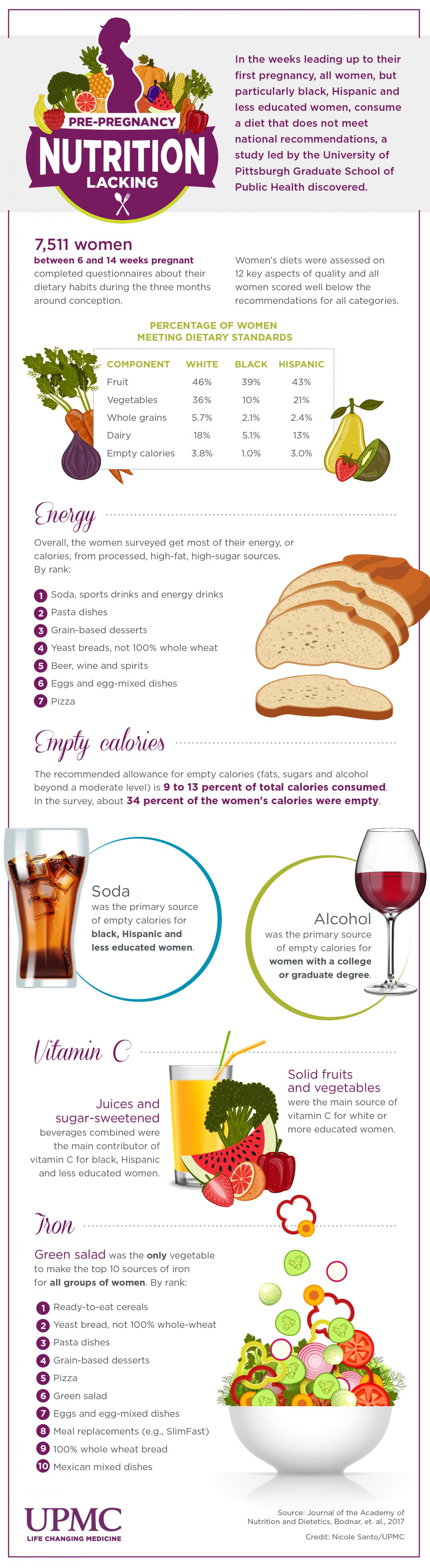
The numerous nutrition guidelines promoted by the U.S. federal government are obeyed by just 2 percent of Americans. If only 2 percent of any population can obey your guidelines, they are a nutritional wishlist created by groups of experts promoting their diet fads, not evidence-based information.
However, one group is constantly criticized by everyone else - pregnant mothers - and a new study shows that no pregnant women in any demographic are able to achieve the Dietary Guidelines for Americans. Which means those guidelines are irrelevant, not that expectant moms need even more criticism.
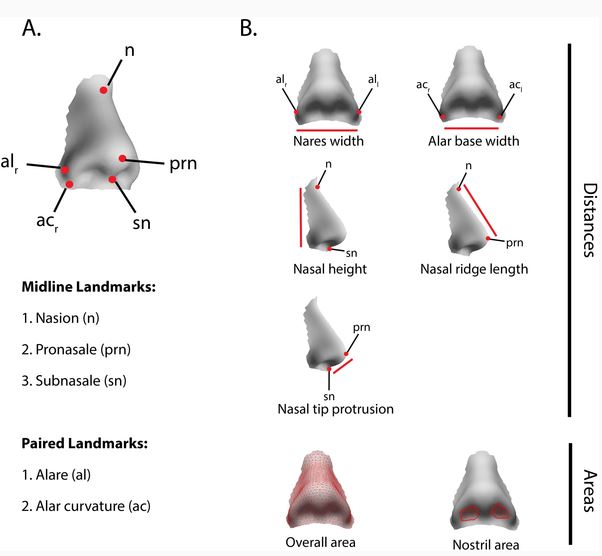
A new paper claims the size and shape of your nose evolved in response to local climate conditions.
The nose is one of our distinctive facial features. It conditions the air we breathe so it is warm and moist when it reaches the lungs, which helps prevent infections. And that may be why people whose ancestors lived in hot, humid places tend to have wider nostrils than people whose ancestors came from cold and dry environments.
ECHA, the European Chemicals Agency, has released findings from its
Committee for Risk Assessment (RAC) which concluded that glyphosate (e.g. Roundup, by the agriculture company Monsanto, though it's been off-patent for 17 years) is not a carcinogen, nor is it a mutagen, nor is it toxic for reproduction.
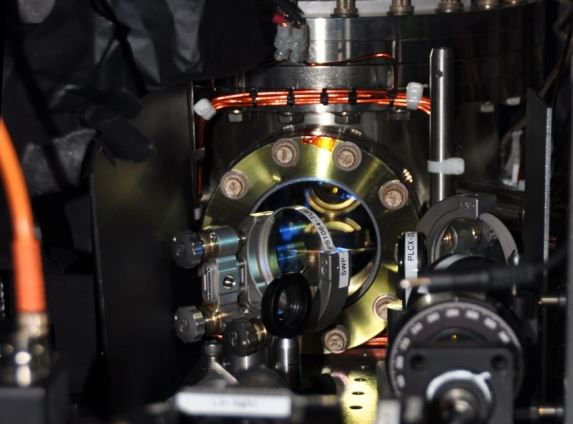
By using lasers to manipulate a superfluid gas known as a Bose-Einstein condensate, the team was able to coax the condensate into a quantum phase of matter that has a rigid structure — like a solid, and can flow without viscosity, a key characteristic of a superfluid. Basically, they have created a supersolid, a
new form of matter which combines the properties of solids with those of superfluids.
Isn't that a contradiction?
“It is counterintuitive to have a material which combines superfluidity and solidity,” says team leader Wolfgang Ketterle, the John D. MacArthur Professor of Physics at MIT. “If your coffee was superfluid and you stirred it, it would continue to spin around forever.”
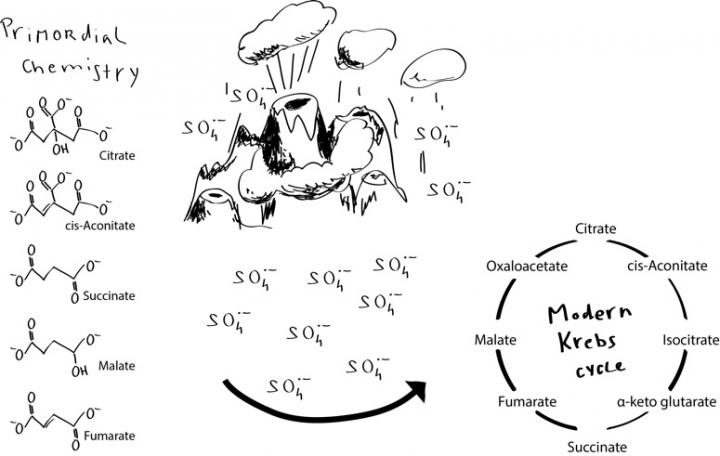
Metabolism, the set of processes through which we gain energy from food and produce the biomolecules we need in our body's cells, is universal to life. The biochemical pathways that underpin these processes are highly similar across all organisms and species.


 Pilot Study: Fibromyalgia Fatigue Improved By TENS Therapy
 High Meat Consumption Linked To Lower Dementia Risk
 Long Before The Inca Colonized Peru, Natives Had A Thriving Trade Network
 Mesolithic People Had Meals With More Tradition Than You Thought