No-till farming uses cover crops to conserve soil and suppress weeds but many vegetable producers haven't embraced it yet.
The reason is simple; small-seeded vegetable crops struggle to emerge through thick cover crop residues. A recent program sought to see how it might work better with string beans, a common staple of many dinners, and possessing larger seeds. In both Illinois and Washington, USDA-ARS agronomist Rick Boydston and University of Illinois ecologist Marty Williams grew vetch, rye, and a combination of the two cover crops before killing them with a roller-crimper—a machine that evenly flattens and crimps standing plant biomass—or with a combination of the roller-crimper and a burndown herbicide.
Women who received a health scare in the form of a false positive result from a screening mammogram were more likely to delay or even forgo the next mammogram than women who had a correct negative result.
A false positive result from a screening mammogram often leads to emotional, physical, and economic stress, though false positives are an expected part of proper medical care. For this study, the authors obtained data for women who received mammography screening through a large health care organization with multiple facilities in the greater metropolitan Chicago area. Among the 741,150 screening mammograms from 261,767 women included in the analysis were 12.3 percent that yielded a false positive result; the remaining 87.7 percent yielded true negative results.
The Dead Sea scrolls used to be revered as holding some special insight, perhaps we were only now mature enough to understand it. More recently, it's clear these were errors and cast-offs that were given a proper burial, but have no real benefit.
To archaeologists, it's instead just science, another way to understand the past. A new cave has been found, though scientists didn't get their first, they were clearly looted in the middle of the 20th Century, but the scholars still suggest the cave should be numbered as Cave 12, along with the 11 caves previously known to have housed hidden Dead Sea scrolls, even though this one has no scrolls.
We think we know the perfect balance of gases in the atmosphere, and it involves a time before there was any industry, when the human population was tiny, when almost all of the planet was covered in plants. Basically, the dream of environmental groups today (with their members being the few allowed to live, of course.)
But we don't really know. There have been times when the carbon dioxide in the atmosphere was 10X what it is today, but we were only slightly warmed, and there were times when it was lower than today, and we were covered in ice. What we do know is that things are pretty good now, and we don't want a planet covered in ice, or to live in a greenhouse.
If you sip a beer when you are a teenager, are you going to become a raging alcoholic? You are according to the logic of anti-smoking activists who won the war on cigarettes and need a one place to use their army - and their funding.
Cigarette smoking has plummeted, which is what we have all wanted, and part of the reason for that is smoking cessation tools, like gums, patches, smokeless tobacco and things like e-cigarettes. Those are also used for harm reduction; smoking is as uncool as can be these days, so from a health point of view every cigarette not smoked is a win. They work because nicotine is addictive, like caffeine and alcohol, so providing that stimulus without the toxins is good.
Its not a great idea to use surveys, but sometimes those are all we have. After environmental groups drummed up publicity about a colony collapse disorder in honeybees, for example, concerned amateurs began taking up beekeeping. Since nature is not a perfect system, and the new folks didn't know what they were doing, these amateurs killed off a lot of bees, but there is no checkbox on the survey for that, so they blamed pesticides.
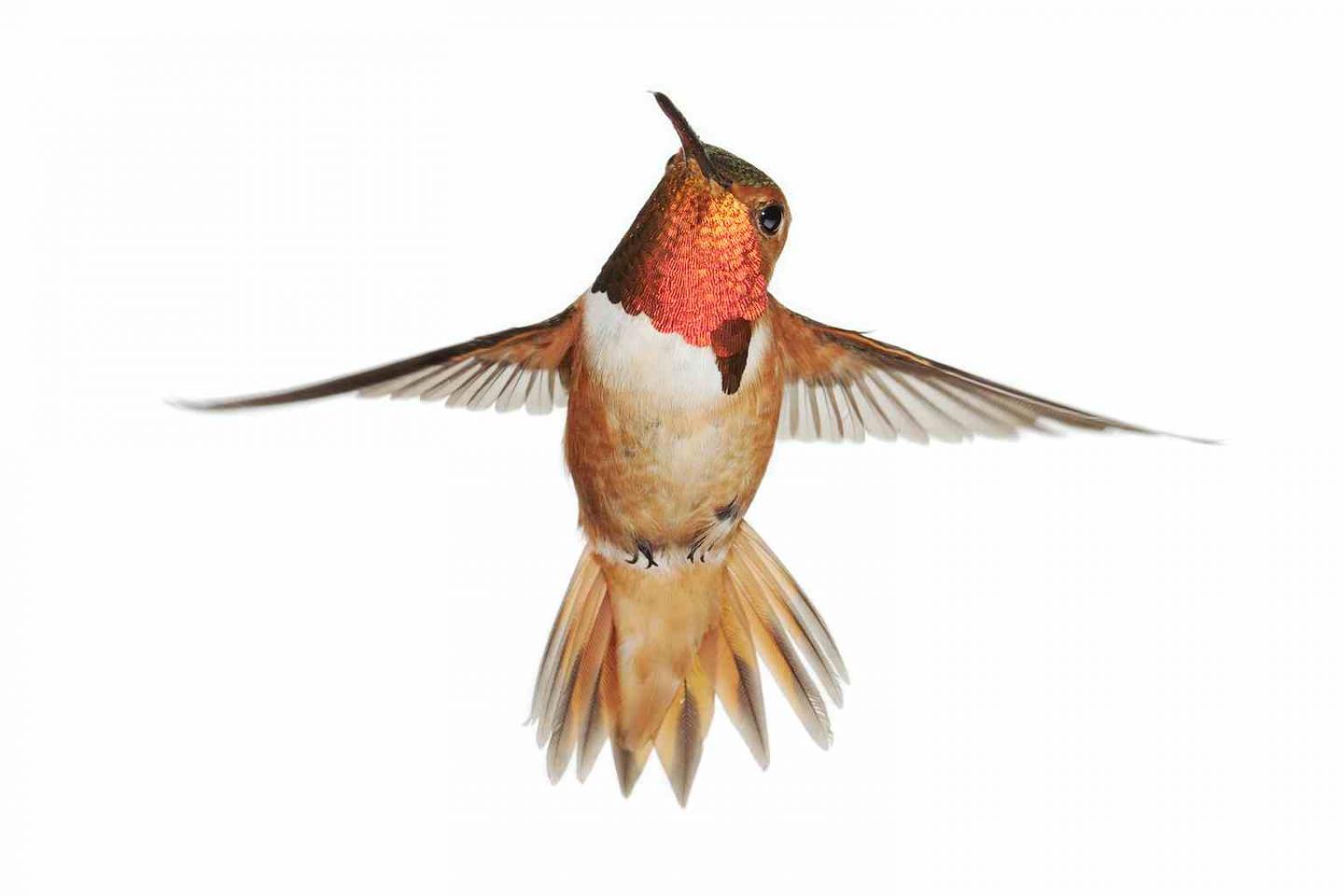
Declaring things endangered, even species that were only just discovered, is good for business, and a species of hummingbird has been added to conservation watchlists and global warming has been blamed - except it isn't endangered, it's instead migratory.


 Pilot Study: Fibromyalgia Fatigue Improved By TENS Therapy
 High Meat Consumption Linked To Lower Dementia Risk
 Long Before The Inca Colonized Peru, Natives Had A Thriving Trade Network
 Mesolithic People Had Meals With More Tradition Than You Thought