

Banner
Synchrotron Could Shed Light On Exotic Dark Photons

There are many hypothetical particles proposed to explain dark matter and one idea to explore how...

The Pain Scale Is Broken But This May Fix It

Chronic pain is reported by over 20 percent of the global population but there is no scientific...
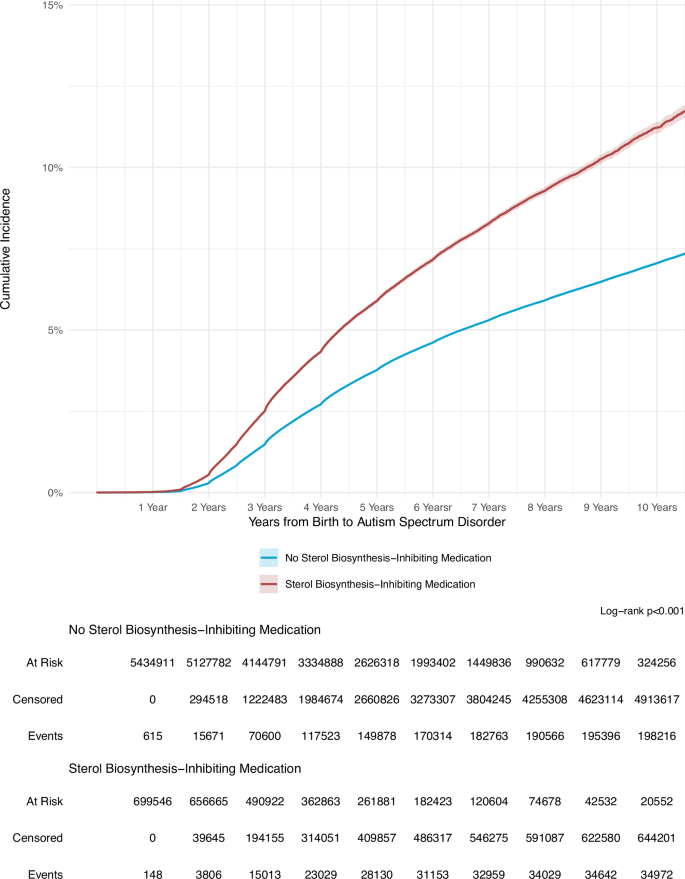
Study Links Antidepressants, Beta-blockers and Statins To Increased Autism Risk

An analysis of 6.14 million maternal-child health records  has linked prescription medications...

Pilot Study: Fibromyalgia Fatigue Improved By TENS Therapy

Fibromyalgia is the term for a poorly-understood condition where people experience pain and fatigue...

User picture.
News StaffRSS Feed of this column.

News Releases From All Over The World, Right To You... Read More »

Blogroll

Most people can tell if you're angry based on the way you're acting. Professor Jeffrey Jenkins can tell if you're angry by the way you move a computer mouse.

The BYU information systems expert says people experiencing anger (and other negative emotions--frustration, confusion, sadness) become less precise in their mouse movements and move the cursor at different speeds.

Thanks to advances in modern technology, Jenkins and his colleagues can now gather and process enough data points from your cursor movement to measure those deviations and indicate your emotional state.

A rising trend in narcissism is good news for retailing and manufacturing firms offering customizable products, say marketing and psychology scholars in the Journal of Retailing. They say firms can increase the uniqueness of self-designed products by examining consumers' narcissistic behavior.

Engineers have harnessed the molecular machinery of living systems to power an integrated circuit from adenosine triphosphate (ATP), the energy currency of life, and they did it by integrating a conventional solid-state complementary metal-oxide-semiconductor (CMOS) integrated circuit with an artificial lipid bilayer membrane containing ATP-powered ion pumps, opening the door to creating entirely new artificial systems that contain both biological and solid-state components.

Bottom Line: Improved screening and detection efforts, combined with decreases in risk factors like smoking, have reduced the incidence and mortality rates from several common types of cancer in many high-income countries. However, many low-and middle-income countries have seen cancer rates rise, partially due to increases in risk factors that are typical of Western countries.

Journal in Which the Study was Published: Cancer Epidemiology, Biomarkers & Prevention, a journal of the American Association for Cancer Research

Past human factors/ergonomics studies have shown that some in-vehicle technologies intended to help with driving tasks are actually competing for drivers' attention and undermining driving safety. Human factors/ergonomics studies over the past 10-plus years have examined a variety of distractors. The December 2015 special section of Human Factors: The Journal of the Human Factors and Ergonomics Society leads off with research proposing a method for assessing cognitive distraction while driving and elicits pro and con responses from experts in the field.

An analysis of more than 1.3 million emergency department visits found an increase in patient length of stay of approximately 5 minutes associated with the presence of medical students in the emergency department, which was statistically significant but likely too small to be of clinical relevance, according to a study in the December 8 issue of JAMA, a theme issue on medical education.

