Banner
Synchrotron Could Shed Light On Exotic Dark Photons

There are many hypothetical particles proposed to explain dark matter and one idea to explore how...

The Pain Scale Is Broken But This May Fix It

Chronic pain is reported by over 20 percent of the global population but there is no scientific...
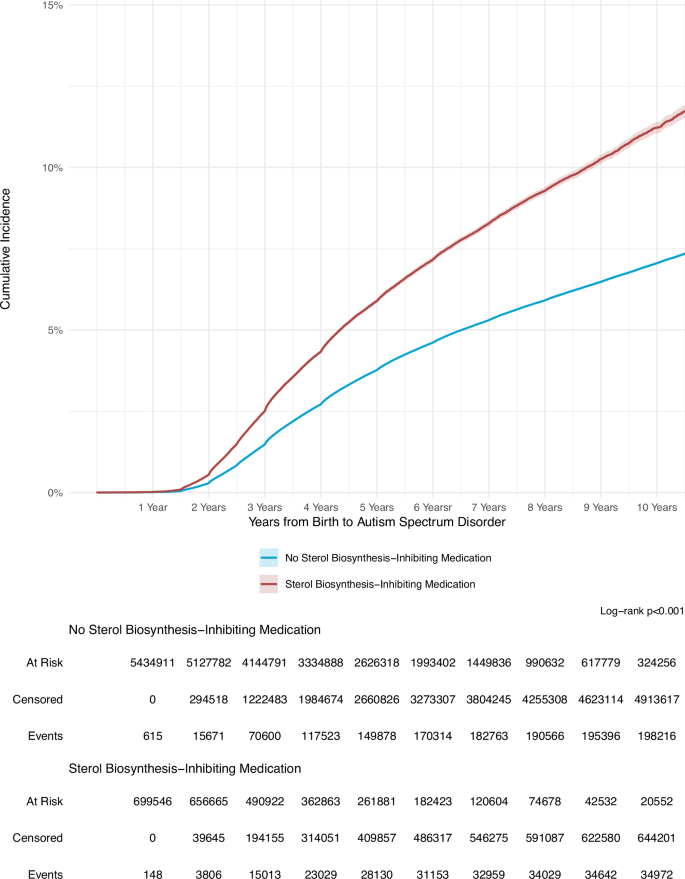
Study Links Antidepressants, Beta-blockers and Statins To Increased Autism Risk

An analysis of 6.14 million maternal-child health records  has linked prescription medications...

Pilot Study: Fibromyalgia Fatigue Improved By TENS Therapy

Fibromyalgia is the term for a poorly-understood condition where people experience pain and fatigue...

User picture.
News StaffRSS Feed of this column.

News Releases From All Over The World, Right To You... Read More »

Blogroll

Many people hold the door open for strangers. But what do people give in return?

Their responses appeared to depend on the door holder's effort, according to scientists at the Brain and Creativity Institute at USC. If the door holder made a high effort by making eye contact, smiling and holding open the door, more recipients would say "thank you," researchers found. If the door holder who made a high effort had dropped some pens while trying to hold open the door, the recipient was more likely to stop and help pick them up.

Genes that act as brakes to stop the development of an aggressive form of leukaemia have been identified by researchers.

Their findings offer fresh insights into how to tackle the disease and could lead to new therapies that prevent relapses.

Scientists have found that two molecules - Hif-1alpha and Hif-2alpha - work together to stop the formation of leukemic stem cells in an aggressive type of blood cancer called Acute Myeloid Leukaemia (AML).

The cancer occurs when production of new blood cells by the bone marrow goes awry. This leads to the formation of leukemic stem cells, which fuel the disease and provide a constant flow of abnormal leukaemia cells.

New Haven, Conn.--It is well documented that a healthy diet and exercise are key in cancer prevention and management, but the exact mechanism hasn't been clear. Now, Yale Cancer Center researchers have found an explanation in the tiny protective ends of chromosomes called telomeres. The findings will be presented Dec. 11 at the 2015 San Antonio Breast Cancer Symposium.

The researchers used a previously published Yale weight-loss intervention study called LEAN to examine how body fat and weight loss through lifestyle changes are associated with telomere length in breast cancer survivors enrolled in a weight-loss trial. Telomeres shorten with cell division and are associated with aging and increased risk of breast cancer mortality.

Athens, Ga. - A team of researchers led by faculty at the University of Georgia has identified a number of biological markers that make it possible to classify mental disorders with greater precision. Their findings, published today in the American Journal of Psychiatry, may one day lead to improved diagnostics and treatments for those suffering from mental illness.

The advent of modern medical diagnostic tools has made it possible to identify the hallmarks of innumerable diseases with simple, reliable tests that portray the inner workings of the body in exquisite detail--allowing doctors to pinpoint the specific cause of a patient's complaint and prescribe the proper course of treatment.

Our vision and hearing aren't as reliable as we might think, according to a new study.

The scholars conducted the research in part because there had never been a comprehensive study to examine whether humans' 'spatial localization' ability -- that is, whether we can immediately and accurately perceive where an object is located -- is as well-honed as we believe it to be. In the study, subjects were asked to sit facing a black screen, behind which were five loudspeakers. Mounted on the ceiling above was a projector capable of flashing bursts of light onto the screen, at the same spots where the speakers were located.

Various groups selling 'miracle' prevention techniques, and various United Nations groups (such as IARC) insist that cancer is a lifestyle disease, and if you just pay them, they will either give you something to prevent it or get something banned to prevent it.