

Banner
Synchrotron Could Shed Light On Exotic Dark Photons

There are many hypothetical particles proposed to explain dark matter and one idea to explore how...

The Pain Scale Is Broken But This May Fix It

Chronic pain is reported by over 20 percent of the global population but there is no scientific...
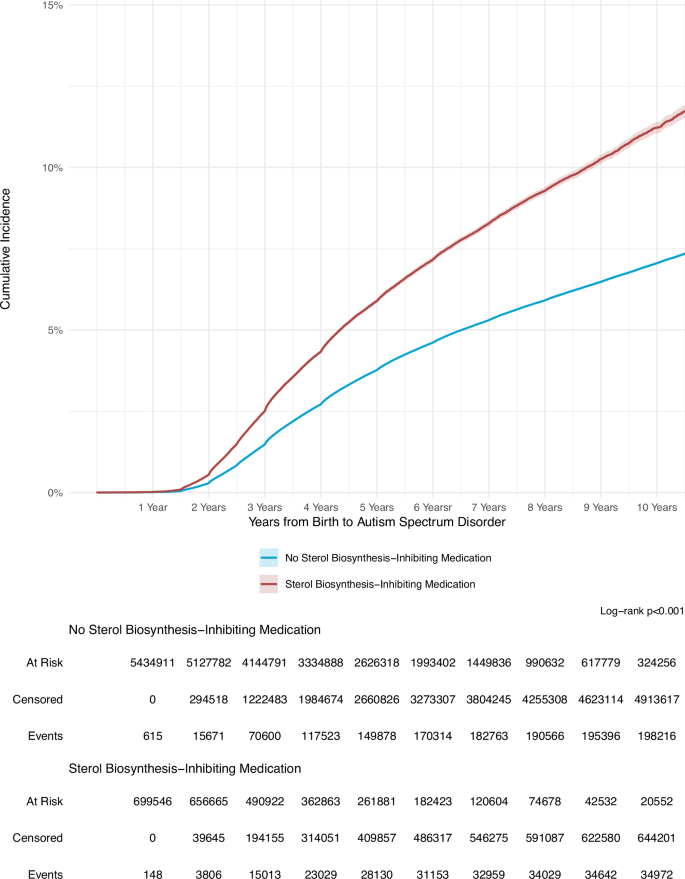
Study Links Antidepressants, Beta-blockers and Statins To Increased Autism Risk

An analysis of 6.14 million maternal-child health records  has linked prescription medications...

Pilot Study: Fibromyalgia Fatigue Improved By TENS Therapy

Fibromyalgia is the term for a poorly-understood condition where people experience pain and fatigue...

User picture.
News StaffRSS Feed of this column.

News Releases From All Over The World, Right To You... Read More »

Blogroll

37% percent of online adults say that health and medicine is among the topics they find most interesting, while 32% identify science and technology in their top three, according to a 

The developed world loves to put on food drives, places to donate canned goods to the needy. It is an easy feel-good thing to do. But it may be unnecessary, according to findings in The European Journal of Public Health.

Too many tests at the doctor's office could cost you more than just dollars. In addition to the huge hit to your wallet, there's also the potential harm of false positives, and just because a test has traditionally been done for a condition doesn't mean it's the best way to treat it.

U-M neurologist Brian Callaghan, M.D., M.S., is helping lead a national push to determine what neurologic tests or services are performed more than they should be.

Scientists and teachers have combined to develop a simple spreadsheet-based method of teaching aerodynamic drag to 14 and 15 year olds. By measuring the speed of one of their classmates riding a bike and taking a photo in order to measure the frontal area of the cyclist, the students were able to calculate the drag co-efficient.

The results are published today, 11th December 2015, in the journal Physics Education.

Scientists have developed a technique to perform dietary analysis of fish by analysing microscopic tooth wear.

The process, which involves taking moulds of the teeth similar to those a dentist might take, used focus variation microscopy to digitally capture details of the tooth surfaces, zooming in to an area just 1/7th of a mm in width, around the same as that of a human hair.

These 3D data allowed the researchers to distinguish between different diet by comparing the roughness and shape of the tooth surface on a tiny scale. This offers a new method to analyse fishes diet based on the fossil record.

The results are published today, 11th December 2015, in the journal Surface Topography: Metrology and Properties.

Tropical groundwater may prove to be a climate-resilient source of freshwater in the tropics as intense rainfall favours the replenishment of these resources, according to a new study published in Environmental Research Letters.

As climate observations show that global warming leads to fewer but more intense rainfalls, a clearer understanding of how these sources are replenished is crucial for developing strategies for groundwater usage that are better adapted to the greater variability in rainfall and river discharge brought about by climate change.



