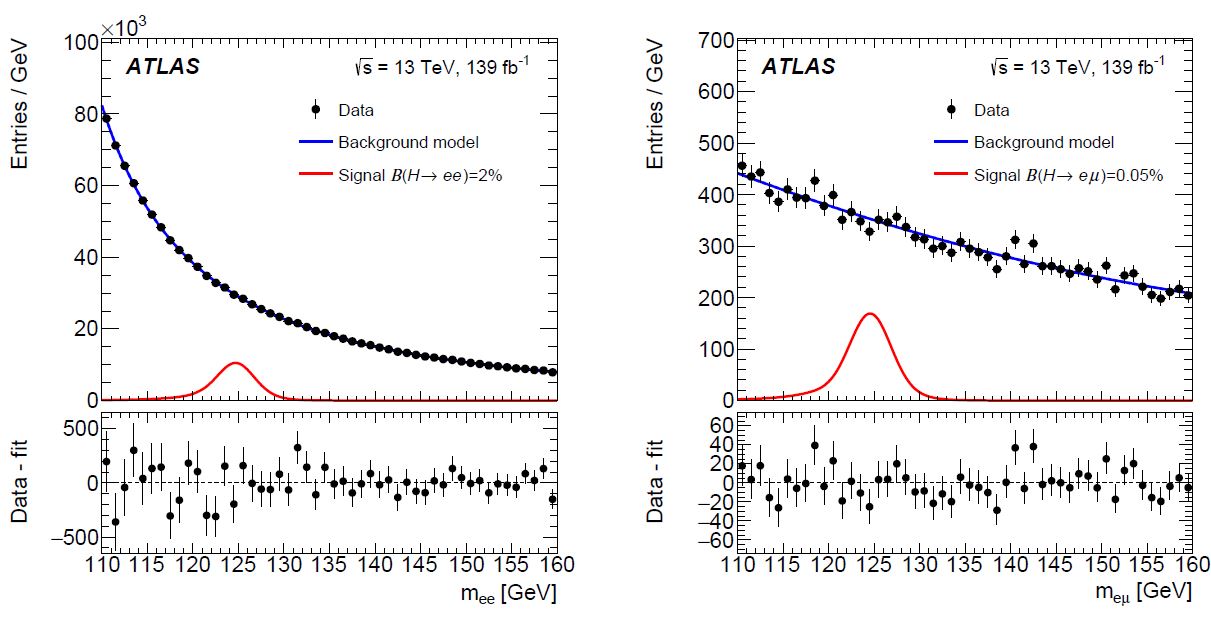
This week's Plot relates to the search of rare decays of the Higgs boson, through the analysis of the large amounts of proton-proton collision data produced by the Large Hadron Collider (LHC), CERN's marvelous 27km particle accelerator. The ATLAS collaboration, which is one of the four main scientific equipes looking at LHC collisions, produced an improved bound on the rate at which Higgs bosons may decay to electron-positron pairs (which they are expected to do, although very rarely, in the Standard Model, SM) and to electron-muon pairs (which are forbidden in the SM).
A few weeks ago, in
an article where I discussed some new ideas for fundamental physics research, I briefly touched on an incident in which Paul Frampton, a well-known theoretical physicist, got involved in 2011. The paragraph in question read:
Sometimes browsing the Cornell ArXiv results in very interesting reading. It is the case with the preprint I got to read today,
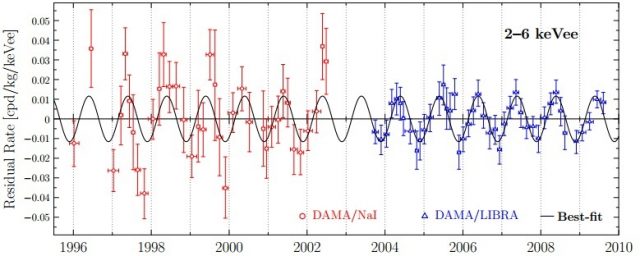
"DAMA/LIBRA annual modulation and Axion Quark Nugget Dark Matter Model", by Ariel Zhitnitsky. This article puts forth a bold speculative claim, which I found exciting for a variety of reasons. As is the case with bold speculative claims, the odds that they turn out to describe reality is maybe small, but their entertainment value is large. So what is this about?
On August 20, in occasion of the "
5th International Workshop on Nucleon Structure at Large Bjorken x", organized at the Orthodox Academy of Crete, I had the pleasure to accompany at the piano my wife, the soprano Kalliopi Petrou, for a concert offered to the participants to the workshop by the organizers.
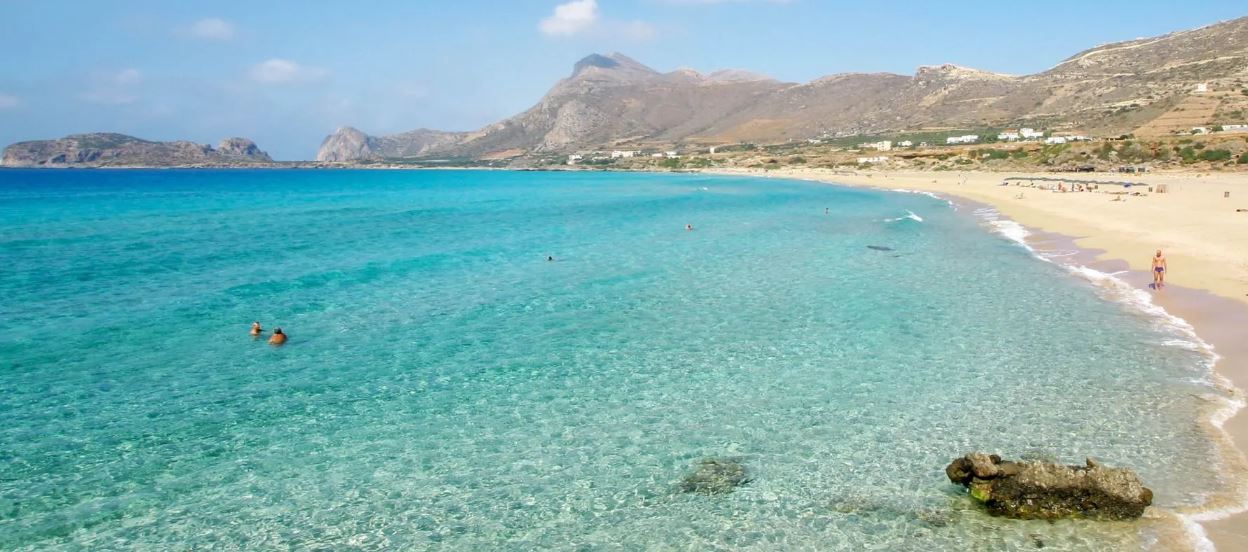
Today I am back from the 8th edition of the ICNFP conference, which finished yesterday in Kolymbari (Crete). This event is very interesting because of its wide scope, bringing together physicists from quite different fields in a venue that, due to its very relaxing, secluded nature favours post-session discussions and exchanges among the over 250 participants.
I am presently spending a few days in the pleasant island of Crete, in the middle of the Mediterranean, where I am attending the
eight edition of the "International Conference on New Frontiers in Physics". Crete is a gorgeous island at the crossroads of three continents, and because of its location it is brimming with relics of ancient to less ancient history. Anyway, this post is rather about physics, so let me go back there.


 Enrico Stomeo - A Lifelong Passion For Meteor Studies
 Surviving Queues: 1 - At The Airport
 Choosing Your Bets: The Selection Bias